


 Azərbaycan dili
  English (UK)
  Русский
  বাংলা
বাংলা  العربية
  日本語
日本語  한국어
한국어  Magyar
  Norsk nynorsk
  Türkçe
  עִבְרִית
  Español
  Čeština
  Svenska
  Português
  Ελληνικά
  Suomi
Suomi  Nederlands
  Română
  Italiano
  Français
  Polski
  Українська
  Deutsch
  简体中文
简体中文  Slovenčina
  Српски језик
  اردو
اردو  O‘zbekcha
  አማርኛ
አማርኛ 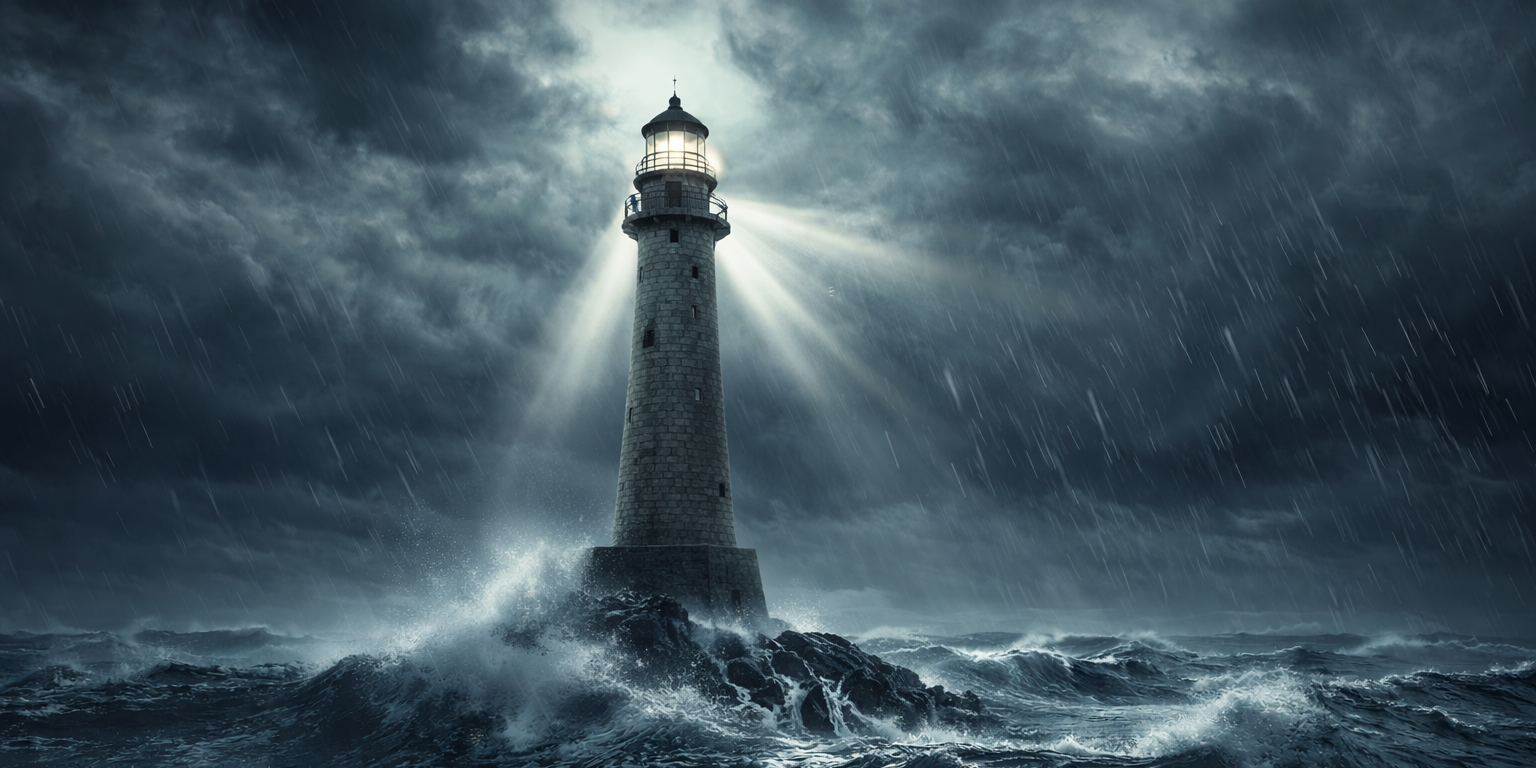 Trinity House: Mayakların İdarə Edilməsi, Pilotaj Mirası və Sahil Təhlükəsizliyi">

Trinity House operates and maintains more than 600 aids to navigation across England, Wales, the Channel Islands and Gibraltar, coordinating lighthouse servicing, buoy deployment, electronic aids and seasonal inspections to keep shipping lanes and coastal approaches safe for commercial vessels, recreational yachts and passenger cruise ships.
Historical framework and governance
Granted a Royal Charter by Henry VIII in 1514, Trinity House began as a medieval guild serving mariners and grew into both a maritime authority and a charity. In 1604, under Ceyms I, it received powers to licence pilots on the River Thames. Over subsequent centuries the body expanded into a national Pilotage Authority for London and more than 40 districts, until the Pilotaj Act 1987 devolved local pilotage responsibilities to port and harbour authorities.
Organisation and roles
Governance rests with a small group of Elder Brethren, supported by a broader body of Younger Brethren drawn from the Royal Navy, Merchant Navy and commercial shipping. The charity element concentrates on the welfare and training of seafarers, while operational teams manage day-to-day navigation safety, maintenance cycles and modernisation programmes.
Infrastructure: lighthouses, buoys and modern aids
Trinity House’s asset mix combines historic masonry lighthouses like Eddystone Lighthouse with modern buoys, beacons, Automatic Identification System (AIS) transmitters and remote monitoring equipment. Maintenance includes scheduled paintwork, lens servicing, power system upgrades and emergency response to storm damage.
Core navigation assets
- Lighthouses – manned historically, many now automated but still critical visual beacons.
- Buoys and beacons – seasonal placement and charted positions for safe channels.
- Elektron aids – AIS, racons and remote telemetry to supplement physical marks.
- Pilotaj licensing – historical remit that shaped port and river navigation standards.
| Asset or Role | Tourism and Local Impact |
|---|---|
| Historic lighthouses (e.g., Eddystone) | Iconic coastal landmarks for sightseeing, photography and heritage tours |
| Buoyage and channel marking | Safe access for ferry routes, charter yachts and cruise tenders |
| Seafarer welfare and training | Attracts maritime museums, training visits and educational tourism |
Operational logistics and seasonal planning
Fleet scheduling, resupply runs and coastal inspection cruises are planned around weather windows and commercial traffic peaks. For tourist-facing services — such as lighthouse visits or coastal cruises — coordination with port authorities and operators is essential to align tender operations, passenger safety briefings and landing permissions.
How maintenance affects coastal tourism
Planned maintenance windows can temporarily restrict access to popular sites, but they also ensure long-term visitor safety and preserve heritage assets. Cruise packages and yacht charters rely on predictable navigation marks; therefore, effective asset management directly supports local tourism economies and seasonal excursion planning.
Community links and maritime culture
Trinity House’s charitable work supports retired seafarers and funds training initiatives — activities that feed into museum displays, guided harbour walks and living-history events. Organisations such as Lovesail represent the recreational community who benefit from clear channel marking and safe pilotage in crowded sailing areas.
Visitor experiences and responsible travel
Tour operators now package lighthouse visits with coastal walks, museum tours with live guides and boat trips that explain navigation systems. Responsible tourism practices encourage minimal-impact landing, respect for operational zones and awareness that aids to navigation exist primarily for safety.
Açar takeaways at a glance: Trinity House blends centuries-old heritage with modern navigational technology, maintains essential coastal infrastructure and underpins both commercial and leisure marine activity. Yet even the most informative reviews can’t replace firsthand experience. On GetExperience, you book your experience from verified providers at reasonable prices, ensuring secure payments and a voucher confirmation issued afterward; you can also submit requests for custom tours or excursions to receive tailored offers from providers that match your preferences. This transparency and convenience let you choose the best maritime tours and lighthouse visits for your interests. Book now GetExperience.com
In summary, Trinity House’s stewardship of over 600 aids to navigation, its historical pilotage role and ongoing charitable support are central to coastal safety and the visitor economy. For travellers, this means safer ferry crossings, richer maritime heritage tours and opportunities for varied travel experiences—from museum tours with live guides and cruise packages to adventure activities and exclusive yacht charters for events. Whether you prefer eco-friendly wildlife safaris, luxury adventure travel experiences, interactive online cultural workshops or even beginner esports coaching sessions as a quirky add-on, the coastal infrastructure that Trinity House maintains helps make those choices possible. In short: Trinity House secures shipping lanes, preserves maritime heritage and enables diverse tourism offerings for every taste.