


 Azərbaycan dili
  English (UK)
  Русский
  বাংলা
বাংলা  العربية
  日本語
日本語  한국어
한국어  Magyar
  Norsk nynorsk
  Türkçe
  עִבְרִית
  Español
  Čeština
  Svenska
  Português
  Ελληνικά
  Suomi
Suomi  Nederlands
  Română
  Italiano
  Français
  Polski
  Українська
  Deutsch
  简体中文
简体中文  Slovenčina
  Српски језик
  اردو
اردو  O‘zbekcha
  አማርኛ
አማርኛ 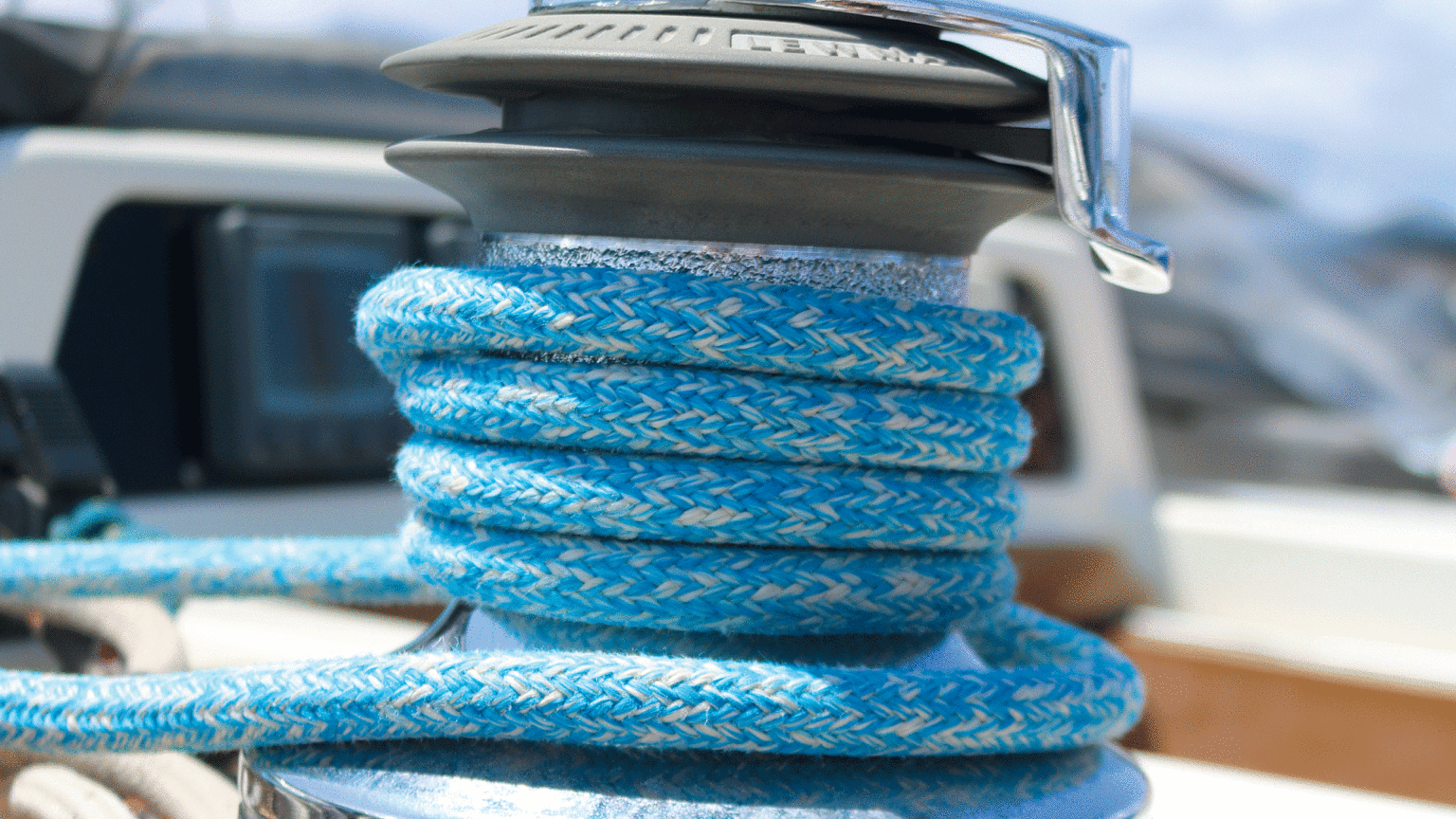 Dəniz İpləri Necə Qurulur və Nə üçün Yaxt Çarterləri və Ekskursiyalar üçün Əhəmiyyətlidir">

On fleet-operated charter routes, marina managers typically require mooring and safety lines to meet specified minimum breaking loads and UV-protection standards, so choosing the correct rope construction directly affects operational compliance and guest safety.
Core rope fibres and their operational traits
Understanding the main synthetic fibres helps crew select lines for halyards, sheets, moorings and tenders. Below are the common materials in service today.
Polyamide (PA) — Nylon
Nylon is strong and elastic, useful where shock absorption is required—for example, stern moorings and anchor warps on small cruisers. It is prone to UV degradation and can stiffen with age; strength reduces slightly when wet.
Polyester (PES/PET) — Dacron™, Terylene™, Vectran™
Polyester holds strength when wet and has low creep if pre-stretched, making it ideal for halyards, control lines and general-purpose rigging on day-charter yachts.
Polypropylene (PP)
Polypropylene floats and is inexpensive; it is often used for water-ski ropes, safety lifelines for tenders, and mock natural-fibre lines used in decorative or short-term applications.
Polyethylene (PE) and HMPE
High Modulus Polyethylene (HMPE, marketed under trade names such as Dyneema™) is extremely light and has exceptional strength-to-weight. It’s popular for high-performance sheets and dinghy towing, but knots can severely reduce its rated strength—terminations often require splices, sleeves or thimbles.
Polybenzoxazole (PBO) — Zylon™
PBO has very high tensile strength and is used in standing rigging where minimal stretch is critical. Knots are not recommended; mechanical terminations such as swages or lashing to deadeyes preserve integrity.
How rope constructions affect handling and lifespan
Rope construction determines handling, stretch, abrasion resistance and suitability for onboard tasks.
Stranded and laid ropes
- Left-hand (S) laid və right-hand (Z) laid three-strand ropes are traditional, easy to splice and resist kinking—common for mooring lines and warps.
- Hard-laid ropes are stiff and resist chafe; soft-laid ropes are supple and easier to knot.
- Four-strand and cable-laid designs are used where additional abrasion resistance or aesthetic finish is required.
Braids, plaits and high-performance constructions
Hollow braids, solid braided cores and braid-on-braid constructions (e.g., polyester over polyester) offer improved handling and stretch characteristics. Multiplait and braid-on-braid lines are increasingly used for sheets and control lines on charter and performance yachts.
Quick reference: material vs. common use
| Material | Key properties | Typical uses | Operativ qeyd |
|---|---|---|---|
| Nylon (PA) | High stretch, strong | Mooring lines, anchor warps | Needs UV protection; wet strength reduced |
| Polyester (PES) | Low stretch, durable | Halyards, sheets, control lines | Good all-rounder for charter fleets |
| HMPE (Dyneema™) | Ultra-light, low-stretch | High-load sheets, spinnaker halyards | Knots weaken; use proper splices/terminations |
| PP / PE | Floats, cheap | Water-ski ropes, safety lines | Sensitive to abrasion, limited UV life |
| PBO (Zylon™) | Very high tensile | Standing rigging | Terminate mechanically; knots unacceptable |
Practical considerations for charter operators and tour providers
Charter companies and excursion operators should standardise rope inventories: maintain spares for mooring, tow və safety lines; label lines by function and breaking load; and perform scheduled inspections for chafe, UV damage and core slippage.
- Mark lines clearly with coloured tape or heat-shrink to avoid mix-ups during guest swaps.
- Use protective sleeves at chafe points and spliced eyes for high-load terminations.
- Train crew on the correct splice and knot choice—many high-performance ropes require terminations rather than knots.
Texniki xidmət siyahısı
- Inspect halyards and sheets for abrasion before each charter.
- Replace mooring warps showing core exposure or >=20% diameter loss.
- Keep a log of rope age, material and service history.
Logistics and tourism impact at a glance
Rope selection influences safety, guest comfort and operational costs: reliable ropes reduce downtime, support safer tender transfers, enable confident anchoring for yacht parties and cruise packages, and underpin the smooth running of yacht charters and safari tours at sea.
Knowing the differences between stranded, braided and modern HMPE constructions helps tour operators optimise packing, storage and spare-part logistics while ensuring excursions like yacht parties, dive trips and water-sport activities run without preventable incidents.
Highlights: material choice, construction type and proper terminations are the three most important factors for durable, safe rigging. Yet even the most thorough reviews and honest feedback can’t substitute for first-hand experience. On GetExperience users can book experiences from verified providers, pay securely with voucher confirmation, and request customised tours and excursions to match preferences—ideal for travellers who want both convenience and assurance. GetExperience offers a wide variety of tours worldwide to suit any preference and budget. Book now GetExperience.com
In summary: choose rope materials and constructions according to expected loads and exposure; prefer mechanical terminations for HMPE and PBO; maintain a clear inventory and inspection routine to meet safety and regulatory needs. Proper selection and care contribute directly to better travel experiences, safer yacht charter operations, and more enjoyable adventure activities—from luxury yacht charters and cruise packages to eco-friendly wildlife safaris and museum tours with live guides—while supporting online virtual tours, interactive workshops, and even beginner esports coaching sessions linked to shore-based event logistics.