


 Azərbaycan dili
  English (UK)
  Русский
  বাংলা
বাংলা  العربية
  日本語
日本語  한국어
한국어  Magyar
  Norsk nynorsk
  Türkçe
  עִבְרִית
  Español
  Čeština
  Svenska
  Português
  Ελληνικά
  Suomi
Suomi  Nederlands
  Română
  Italiano
  Français
  Polski
  Українська
  Deutsch
  简体中文
简体中文  Slovenčina
  Српски језик
  اردو
اردو  O‘zbekcha
  አማርኛ
አማርኛ 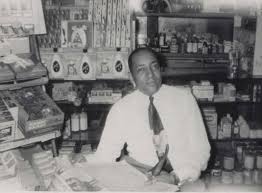 Pelham Robinson’s Owl Drug Stores: A Pillar of Black Entrepreneurship in St. Louis">

Pelham Robinson: A Trailblazer in St. Louis’s Black Business Scene
In the heart of St. Louis’s African American community, Pelham Joseph Robinson Sr. carved a remarkable path as a pharmacist and entrepreneur. Renowned for his chain of Owl Drug Stores, which locals fondly dubbed “the Black Walgreens,” Robinson’s story is a testament to resilience, entrepreneurship, and community strength.
The Roots and Rise of a Businessman
Born in 1907 to William C. and Luella Robinson, Pelham grew up in Normandy, a suburb of St. Louis, but his connection with the local African American community was cemented through his church attendance in Mill Creek. Home to about 20,000 residents—mostly African American—Mill Creek was a hub of Black cultural and social life, anchored by its 43 churches, including St. Elizabeth Catholic Church. A dedicated figure in that parish, Father William Markoe, actively supported Robinson’s academic pursuits, helping him secure admission to Creighton University to train as a pharmacist.
Building the “Black Walgreens” Empire
Robinson’s journey into business began upon returning to St. Louis. Before launching into entrepreneurship, he served as a Pullman porter—a common occupation for Black men seeking steady work. In 1930, he boldly opened his first Owl Drug Store at 3150 Laclede Avenue. Over three decades, the chain grew to include five more locations, with three nestled in Mill Creek, cementing the nickname “the Black Walgreens.”
These stores were more than pharmacies—they were vital community resources. One of the locations stood prominent in the Peoples Finance Building, regarded as the thriving core of Black St. Louis’s commercial life.
Expanding Horizons and Community Leadership
Robinson’s entrepreneurial spirit didn’t stop at St. Louis. He extended his business reach to Kinloch and other neighboring Black communities, bringing pharmaceutical services to underserved areas. His influence went beyond selling medications: He held key posts as the national regional director of the National Pharmaceutical Association and served as first vice president of People’s Hospital. His commitment to community upliftment was echoed in membership with elite organizations such as the Royal Vagabonds, a social club for Black professionals.
His personal life was equally rooted in service. In 1942, he married Antoinette “Toney” Banks, a dedicated volunteer for the Urban League and the NAACP’s St. Louis chapter, together embodying a powerful force for civil and social progress.
Table: Key Owl Drug Store Locations
| Yerləşmə | Əhəmiyyət |
|---|---|
| 3150 Laclede Avenue | First Owl Drug Store, launched the chain in 1930 |
| Mill Creek Area (3 stores) | Core community stores, earned the “Black Walgreens” moniker |
| Peoples Finance Building, 15 N. Jefferson Street | Key location in the hub of Black St. Louis commerce |
| Kinloch and other Black Communities | Expansion to serve broader African American population |
Urban Renewal and the Decline of Mill Creek Businesses
Despite flourishing for many years, Robinson’s business prosperity faced a crushing blow in the late 1950s. A sweeping urban renewal initiative led by the city resulted in the demolition of large portions of Mill Creek, including four of Robinson’s most vital stores. The 1954 announcement by the mayor inaugurated the “slum bond” act, which sanctioned this razing by 1959. Unfortunately, this wave of redevelopment, intended to improve urban conditions, instead obliterated a vibrant Black business landscape.
The destruction of these commercial anchors marked the beginning of the end for Owl Drug Store’s presence in the city. By the early 1960s, tax debts shuttered remaining locations, and by 1966, Robinson had lost all of his pharmacies. Hoping to rekindle his success, he moved to Chicago but was unable to replicate the St. Louis achievements.
Impact of Urban Renewal on Black-Owned Businesses
Robinson’s experience echoes a broader trend. Across the United States, federally backed urban renewal programs profoundly disrupted Black economic ecosystems. In Mill Creek alone, roughly 800 businesses vanished during this period, stripping away crucial economic lifelines and community pillars. This chapter in St. Louis’s history serves as a powerful reminder of the complex consequences of city planning on minority communities.
The Enduring Legacy of Mill Creek Entrepreneurs
While the physical footprint of Mill Creek has disappeared, the legacy of its entrepreneurs remains vibrant. Pelham Robinson and countless others built thriving ventures from the ground up amid systemic barriers like segregation and discrimination.
Exploring this heritage provides valuable insight into the resilience and ingenuity of Black businesspeople. For those interested in delving deeper into this rich history, the Missouri History Museum’s exhibit, Mill Creek: Black Metropolis, offers a fascinating journey through stories of entrepreneurship and community life in this once-bustling neighborhood.
Connecting History and Tourism
Understanding the vibrant legacy of Mill Creek’s business district can enrich any visit to St. Louis. Tourism experiences that explore stories of local entrepreneurship, community activism, and neighborhood transformation can deepen appreciation of the city’s cultural tapestry. Platforms like GetExperience.com offer opportunities to book personalized tours and excursions tailored to uncover such unique narratives, with secure payments and flexible options ensuring a hassle-free experience.
Why This Story Matters
The tale of Pelham Robinson and the Owl Drug Stores highlights the significance of local Black-owned businesses in sustaining communities and culture. While urban renewal policies reshaped many neighborhoods, the spirit of entrepreneurship and community service shown by figures like Robinson offers inspiring lessons in perseverance.
Reading accounts and reviews is one thing, but experiencing these histories first-hand reveals their true depth. Whether through museum visits or guided cultural tours, immersing oneself helps transform abstract history into a vibrant, breathing story.
GetExperience.com stands out as a platform where you can access verified providers offering diverse travel experiences—from museum tours with live guides to cultural workshops and more—at competitive prices. Its transparent booking process, issuing voucher confirmations after secure payments, allows travelers to make informed choices comfortably, avoiding surprises or unnecessary costs. Book now to unlock the rich cultural heritage embedded in St. Louis and beyond on GetExperience.com.
Xülasə
Pelham Robinson’s legacy as the owner of the “Black Walgreens” in St. Louis embodies the vibrant entrepreneurial spirit that flourished within the Mill Creek neighborhood. His chain of Owl Drug Stores was not only a business success but also a cornerstone of the Black community during a time of segregation and adversity. Although urban renewal brought about significant destruction to Black-owned establishments, Robinson’s achievements and the wider story of Mill Creek remain crucial to understanding both local history and the broader narrative of resilience in African American communities.
This story intersects with tourism by encouraging culturally rich exploration through customized tours and experiences. Travelers can engage with tales of business innovation, community building, and cultural endurance that define many cities. Platforms like GetExperience.com make such journeys accessible, offering a gateway to interactive museum tours, cultural workshops, and adventure activities—allowing visitors to connect deeply with local heritage.