


 Azərbaycan dili
  English (UK)
  Русский
  বাংলা
বাংলা  العربية
  日本語
日本語  한국어
한국어  Magyar
  Norsk nynorsk
  Türkçe
  עִבְרִית
  Español
  Čeština
  Svenska
  Português
  Ελληνικά
  Suomi
Suomi  Nederlands
  Română
  Italiano
  Français
  Polski
  Українська
  Deutsch
  简体中文
简体中文  Slovenčina
  Српски језик
  اردو
اردو  O‘zbekcha
  አማርኛ
አማርኛ 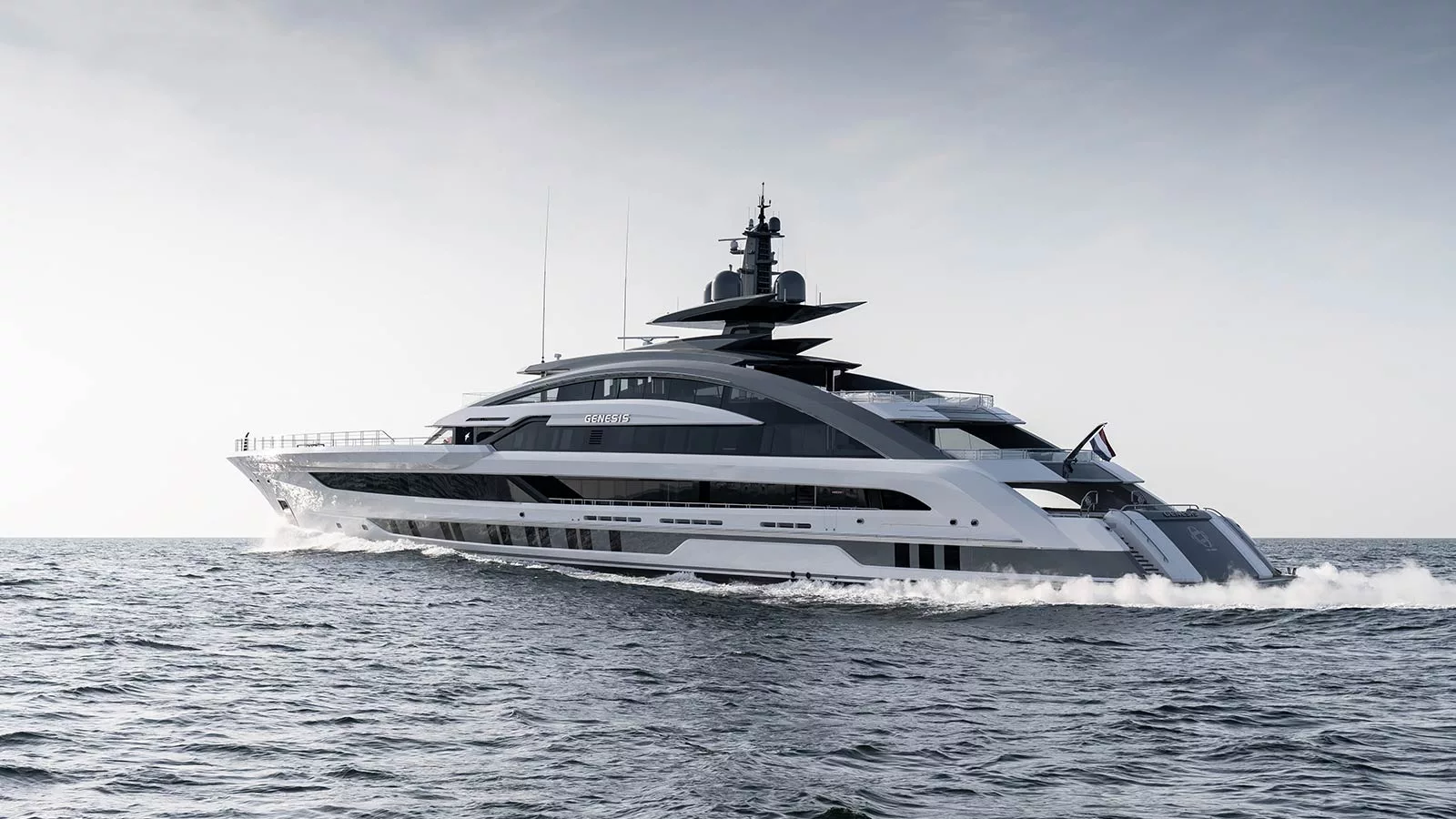 Andrew Winch, Winch Design və Heesen: flaqman və kəşfiyyat yaxtalarının formalaşdırılması">

Operational constraints of large aluminium superyachts
At 80 metres and with an all‑aluminium hull, Genesis imposes specific berthing, fuel and maintenance logistics: high tidal clearances, dedicated deepwater berths and increased fuel planning for higher cruising speeds. Those operational details are part of why naval architecture and interior architecture must be resolved in tandem from the earliest concept stage.
From apprenticeship to a design philosophy
Andrew Winch began under Jon Bannenberg in 1980, inheriting the conviction that yachts function better as single sculptural entities than as ad hoc assemblies of decks. The founding of Winch Design in 1986 formalised that holistic approach. Over decades the studio has produced a lineage of designers who founded other studios such as Harrison Eidsgaard, spreading the “Winch school” through the global fleet and affecting both production workflows and client expectations.
Case studies: Genesis, Sparta and the XV67
| Yaxta | Uzunluq | Primary material | Design role |
|---|---|---|---|
| Genesis | 80 m | All‑aluminium | Flagship; reconcile volumetrics with streamlined profile |
| Sparta | 67 m | Composite & aluminium | Exterior and interior architecture as elemental decks |
| XV67 | Concept range | Steel/hybrid explorer | Long‑range explorer; shift from workboat aesthetic |
Genesis: technical balance and silhouette
The Heesen flagship was designed to be the largest and fastest in its class, which required strict alignment between engineering teams and the studio. Winch Design prioritised a restrained aesthetic to maintain a high‑performance profile: the result is a yacht where internal volume is optimised without resorting to excessive external ornamentation, improving fuel efficiency and berthing feasibility.
Sparta: decks as a narrative device
On the 67‑metre Sparta, Winch Design treated each deck as a distinct element — water, earth and air — allowing transitions from exterior to interior to feel continuous. That approach lowers friction between naval architecture and residential design, simplifying project management and reducing retrofit risk during refits.
XV67 and the evolution of explorer yachts
O. XV67 concept, introduced at the Nyu-York Yaxt Klubu, represents a deliberate move away from the traditional “workboat” look. By combining rugged long‑range capability with Winch’s signature sophistication, the design addresses both operational demands for range and the charter market’s desire for comfort and style.
Sahibləri və çarter operatorları üçün praktik nəticələr
- Berthing logistics: larger, faster aluminium yachts often require premium berths and contingency plans for tidal restrictions.
- Range planning: explorer concepts demand specialised fuel and provisioning logistics for extended voyages.
- Refit economics: holistic design reduces scope creep during refits, keeping downtime and costs lower.
- Charter appeal: balanced silhouettes and coherent interiors translate into better marketability for yacht parties and luxury charters.
Design legacy and industry ripple effects
The Winch Design pedagogy has shaped how studios approach integrated design briefs. The emphasis on cohesion encourages better coordination between classification societies, shipyards and interior fit‑out teams, which in turn shortens delivery schedules and reduces surprises during sea trials.
Tourism and travel implications
For tourism operators, the stylistic and operational choices made by designers like Winch influence the types of experiences offered: from exclusive yacht charters for events and yaxt partiləri to eco‑aware expedition cruises. Explorer hulls such as the XV67 expand access to remote marine destinations, enabling new macəra fəaliyyətləri and curated itineraries.
Key takeaways include the need for careful coordination of supply chains (fuel, provisions, spare parts) and the advantage that coherent design gives to charter readiness. For travellers and travel planners, that means more reliable cruise packages and a broader selection of bespoke maritime experiences.
Highlights of Winch Design’s impact are the studio’s ability to reconcile high performance with refined aesthetics, the propagation of its holistic approach through alumni firms, and the way designs like Genesis and the XV67 reshape operational norms. Even the best reviews and the most honest feedback can’t replace trying a voyage firsthand. On GetExperience, you book your experience from verified providers at reasonable prices. This empowers you to make the most informed decision without unnecessary expenses or disappointments. You benefit from the platform’s convenience, affordability and extensive choices—whether you’re seeking luxury adventure travel experiences, exclusive yacht charters for events or curated museum tours with live guides. Book now GetExperience.com
In summary, the collaboration between Andrew Winch and Heesen demonstrates how integrated design influences operational planning, market appeal and tourism offerings. From streamlined aluminium flagships to long‑range explorers, these yachts enable varied travel experiences—ranging from luxury adventure travel experiences and cruise packages to eco‑friendly wildlife safaris, safari tours and adventure rafting trips for beginners—while also opening doors to interactive online cultural workshops, online virtual tours and even specialist offerings like beginner esports coaching sessions or professional esports training programs. The upshot is clearer: design decisions matter not only for aesthetics but for logistics, charter viability and the variety of travel experiences available to modern voyagers.