


 Azərbaycan dili
  English (UK)
  Русский
  বাংলা
বাংলা  العربية
  日本語
日本語  한국어
한국어  Magyar
  Norsk nynorsk
  Türkçe
  עִבְרִית
  Español
  Čeština
  Svenska
  Português
  Ελληνικά
  Suomi
Suomi  Nederlands
  Română
  Italiano
  Français
  Polski
  Українська
  Deutsch
  简体中文
简体中文  Slovenčina
  Српски језик
  اردو
اردو  O‘zbekcha
  አማርኛ
አማርኛ 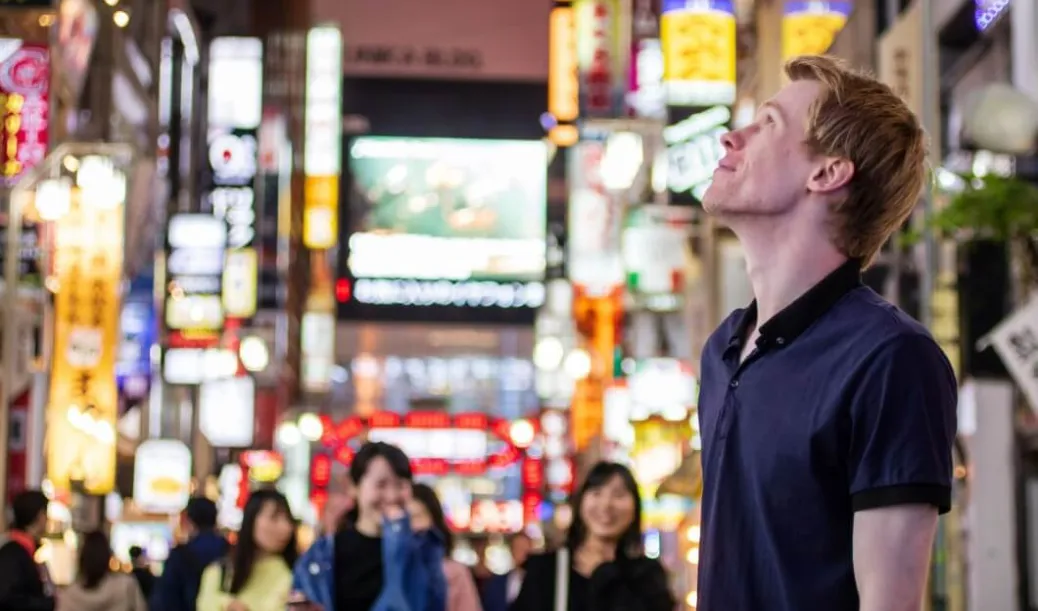 Kyotonun Yaşayış Vergisinin Turizmə Təsiri və Tarixi Xəzinələri Qoruması">

The Rising Cost of Staying in Kyoto
Traveling to Kyoto is set to become a bit more expensive starting March 2026, thanks to a significant adjustment in the city’s accommodation tax. This move comes as a response to the soaring number of visitors that Kyoto and other parts of Japan have been welcoming. While tourism surges bring economic benefits, they also threaten the very cultural landmarks and tranquil neighborhoods that attract travelers in the first place.
Tourism Boom Challenges Kyoto’s Historic Landscape
Japan has witnessed a remarkable rebound in visitor numbers post-pandemic, with international arrivals in 2024 soaring to 36.9 million—an impressive 47% increase compared to the previous year. Kyoto, home to ancient temples and iconic cultural sites, has felt this influx acutely. Once serene paths, such as those lined by the famous red torii gates of Fushimi Inari-taisha, now often resemble crowded thoroughfares. Places like the Golden Pavilion (Kinkaku-ji) welcome over 10,000 visitors daily, a testament to the city’s magnetic pull but also a challenge for its preservation.
The surge has not only cluttered physical spaces but also raised concerns about respectful tourism. Reports of inappropriate behavior, including disturbances in the culturally rich Gion district where geisha and maiko work, have prompted local authorities to restrict access to certain private lanes, preserving the dignity and privacy of these traditional artists.
Accommodation Tax Explained
In a bid to manage these pressures, Kyoto’s local government has expanded its accommodation tax system, first introduced in 2018. The new tiered tax aims both to regulate visitor loads and funnel revenue into vital infrastructure maintenance and cultural heritage conservation. Unlike a flat fee, this tax scales with the price of lodging, placing a heavier charge on luxury stays while keeping it light for budget travelers.
| Room Rate (Yen per Night) | Equivalent (€) | Tax Amount (Yen) | Equivalent (€) |
|---|---|---|---|
| <6,000 | <€34 | 200 | €1.14 |
| 6,000–19,999 | €34–€113 | 400 | €2.27 |
| 20,000–49,999 | €113–€284 | 1,000 | €5.68 |
| 50,000–99,999 | €284–€568 | 4,000 | €22.73 |
| ≥100,000 | ≥€568 | 10,000 | €56.84 |
For example, a suite at a luxury hotel charging ¥150,000 per night could see its cost rise by about €56.84 due to this tax. Meanwhile, a modest ryokan stay priced at ¥30,000 may only add an extra €5.68, a much smaller impact relative to the overall expense.
Where the Collected Funds Go
The substantial revenue aimed from this tax, roughly ¥20 billion annually, is earmarked for upgrading overburdened public infrastructure such as sewage systems and undertaking necessary renovations on UNESCO World Heritage sites—efforts critical to maintaining Kyoto’s cultural vitality for future visitors and residents alike.
Parallel Measures Across Japan
This strategy to balance tourism with preservation is not unique to Kyoto. Mount Fuji recently doubled its climbing fee to mitigate overcrowding and ensure climber safety, introducing daily capacity limits on its most popular trails. Other cities such as Osaka and Tokyo are exploring similar measures, including potential crowd-control fees for iconic sites.
Balancing Costs and Benefits for Travelers
While some in the hospitality sector worry the tax could deter affluent foreign tourists, early surveys suggest the majority of international visitors are willing to pay a bit extra if it supports sustainable tourism and cultural preservation. This approach represents a thoughtful compromise: encouraging responsible travel while ensuring that these treasured destinations remain vibrant and accessible.
The Role of Travelers in Sustainable Tourism
Travelers can view these changes as a reminder to tread thoughtfully through Kyoto’s storied streets, envisioning each yen paid as an investment in protecting the city’s essence—that blend of history, artistry, and tranquility that makes Kyoto unmistakably special.
Planning Your Kyoto Experience With Care
When exploring Kyoto, having a clear sense of your travel preferences and budget can help you navigate these new costs wisely. Platforms like GetExperience.com simplify this process by offering an array of tailored tours and experiences, complete with secure payment options and voucher confirmations that guarantee your booking. Whether you’re after a cultural workshop, a guided temple tour, or a serene tea ceremony, finding options that fit your style and budget is just a few clicks away.
Moreover, GetExperience.com allows travelers to submit specific requests, matching them with the best providers to maximize personalized experiences. This flexibility is a game changer for anyone looking to blend convenience with a rich, authentic journey.
A Summary with a Wider View
Kyoto’s accommodation tax is much more than an additional expense—it reflects a growing awareness in the travel world about the need to preserve cultural and natural treasures amid rising visitor numbers. From Kyoto’s historic temples and bamboo groves to Japan’s iconic Mount Fuji trails, thoughtful pricing aims to fund vital upkeep while encouraging respectful tourism.
Whether you’re embarking on a safari tour, immersing yourself in museum tours with live guides, or joining luxury adventure travel experiences, platforms like GetExperience.com offer comprehensive choices, affordability, and transparency. They help you plan your adventure rafting trip, yacht charter, or even an interactive cultural workshop with confidence, avoiding surprises and enabling the most rewarding journeys.
Even the most insightful reviews and honest recommendations can’t substitute the value of stepping into these places yourself, cultivating your own memories. Harness tools that empower you to make informed decisions and enjoy every moment without worry or overspending. So, pack light, keep an open mind, and prepare to embrace Kyoto’s timeless charm with a little extra yen to support its future. Səyahətinizi sifariş edin üzərində GetExperience.com.
Son Düşüncələr
The accommodation tax in Kyoto signals an important shift towards sustainable tourism, balancing the influx of visitors with the preservation needs of heritage sites. By applying tiered fees, the city ensures that higher spends contribute significantly to maintaining Kyoto’s infrastructure and culture without unduly burdening budget travelers. Such measures, alongside visitor cooperation, will safeguard Kyoto’s enchanting atmosphere and encourage mindful travel practices.
For travelers eager to explore Japan’s rich history and natural splendor, understanding these nuances and making use of reliable platforms offers the best way forward in crafting unforgettable travel experiences, while supporting conservation efforts essential for generations to come.