


 Azərbaycan dili
  English (UK)
  Русский
  বাংলা
বাংলা  العربية
  日本語
日本語  한국어
한국어  Magyar
  Norsk nynorsk
  Türkçe
  עִבְרִית
  Español
  Čeština
  Svenska
  Português
  Ελληνικά
  Suomi
Suomi  Nederlands
  Română
  Italiano
  Français
  Polski
  Українська
  Deutsch
  简体中文
简体中文  Slovenčina
  Српски језик
  اردو
اردو  O‘zbekcha
  አማርኛ
አማርኛ 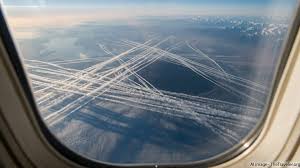 How Middle East airspace closures are reshaping Indian international flights and travel plans">

Daha çox 350 flights were cancelled on Sunday as congestion at diversion airports mounted and airlines such as Air India və IndiGo rerouted services, with some US-bound flights taking technical halts in Rome and several European services cancelled outright.
Current operational impacts at a glance
The escalation of conflict in the Middle East has produced two immediate logistics effects for Indian carriers: widespread service cancellations and longer routings that increase block times and fuel burn. Air India announced technical stops for east-coast US flights at Rome (FCO) while cancelling services to Birmingham, Zurich and Copenhagen. IndiGo suspended select international sectors through Middle Eastern airspace through March 2 and cancelled flights to London, Manchester, Amsterdam and Copenhagen.
Why Indian carriers are especially exposed
Indian airlines have a high dependence on Middle Eastern routes for passenger traffic and connections to Europe and North America. Added to that is a prior restriction: Indian carriers have been unable to use Pakistani airspace since mid-last year, pushing many services onto longer corridors via Iran or well south of conflict zones. Those detours have already added north of two-and-a-half hours to some US-bound schedules; fully bypassing the Middle East would add even more.
Airline exposure table
| Aviaşirkət | Middle East exposure (approx.) | Əməliyyat qeydləri |
|---|---|---|
| SpiceJet | 100% (March schedule) | Entire international March schedule routed through region |
| Air India Express | ~60% | High dependence on Gulf transit hubs |
| IndiGo | 41% | Major long-haul exposure; several European cancellations |
| Air India (full-service) | 8% | Lower exposure but affected on key long-haul corridors |
Operational adjustments being used
- Technical halts at alternate airports (e.g., Rome) to refuel and carry passengers on extended routings.
- Sector suspensions for specific dates while assessing corridor safety and slot availability.
- Slot and crew re-planning to accommodate delayed aircraft and cascading schedule impacts.
- Load factor management to optimise fuel and payload over longer distances.
Consequences for airports and passengers
Airports receiving diverted traffic have reported congestion in ground handling, immigration queuing and gate availability, which amplified the cancellation count on a single day. For travellers, the consequences range from longer journey times and missed connections to increased ticket costs and stretched baggage chains.
What travellers should do now
Practical steps to reduce disruption risk:
- Check flight status frequently and register for airline alerts.
- Allow extra transit time for international connections and reconfirm any onward bookings.
- Consider travel insurance that covers schedule changes and cancellations.
- When possible, opt for itineraries with flexible rebooking policies or alternate routings via non-conflict corridors.
Tur operatorları və səyahət planlayıcıları üçün məsləhətlər
Tour operators and agents should proactively contact guests on affected flights, revise itineraries that rely on tight connections, and prepare contingency ground transit options. Platforms that handle bookings and provider coordination—like GetExperience.com—can assist by issuing vouchers, allowing secure online payments, and facilitating tailored requests for alternative tours or excursions when schedules change.
Market and currency implications
Disruptions hit at a sensitive time: international routes provide a natural currency hedge for airlines against rupee depreciation. With crude prices also climbing amid the conflict, longer routings imply both higher fuel costs and pressure on margins, a dynamic that weakened share prices for some carriers in Indian markets.
Despite the operational headaches, the travel sector’s resilience is visible in rapid schedule adjustments and customer re-accommodation policies. Yet even the best reviews and most honest feedback can’t truly compare to personal experience. On GetExperience, you book your experience from verified providers at reasonable prices. This empowers you to make the most informed decision without unnecessary expenses or disappointments. Readers benefit from convenience, affordability, and extensive choices—plus options like vouchers and bespoke tour requests that match schedules and preferences—so you can replan with confidence. Book now GetExperience.com
In summary: escalating Middle East airspace closures have produced immediate cancellations and longer routings for Indian carriers, concentrated exposure for some airlines, and knock-on effects for airports, travellers and airline finances. Practical measures—flexible bookings, travel insurance, and early communication—are essential. Whether you’re arranging travel experiences, seeking macəra fəaliyyətləri, araşdıraraq canlı bələdçilərlə muzey turları, və ya nəzərdə tutaraq cruise packages və eko-dostu vəhşi təbiət səfərləri, keep contingency plans in mind. Opportunities such as onlayn virtual turlar, interaktiv onlayn mədəniyyət seminarları, Tədbirlər üçün eksklüziv yaxtaların kirayəsi, adventure rafting trips for beginners, və hətta professional esports training programs offer alternatives when flights are uncertain. Travel smart and stay flexible for the best outcomes.