


 Azərbaycan dili
  English (UK)
  Русский
  বাংলা
বাংলা  العربية
  日本語
日本語  한국어
한국어  Magyar
  Norsk nynorsk
  Türkçe
  עִבְרִית
  Español
  Čeština
  Svenska
  Português
  Ελληνικά
  Suomi
Suomi  Nederlands
  Română
  Italiano
  Français
  Polski
  Українська
  Deutsch
  简体中文
简体中文  Slovenčina
  Српски језик
  اردو
اردو  O‘zbekcha
  አማርኛ
አማርኛ 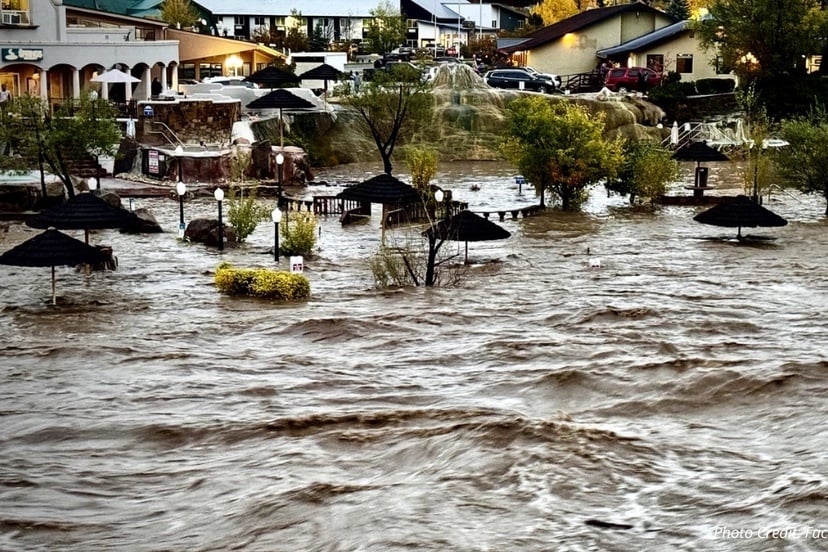 Examining the Role of Tourism Funding and Marketing in Pagosa Springs’ Flood Recovery and Visitor Engagement">

Impact of Flooding on Tourism in Pagosa Springs
In October, severe flooding of the San Juan River threatened key attractions in Pagosa Springs, including the Springs Resort’s geothermal pools, which were temporarily submerged in muddy water and debris. Such natural events can heavily influence visitor perceptions and tourism dynamics, often leading to sudden changes in travel plans and a reduction in bookings.
This presents a pivotal challenge for local tourism stakeholders, particularly in how they manage recovery marketing and maintain positive destination imagery amid physical disruptions.
Economic Landscape and Stakeholder Structure in Pagosa Springs
Pagosa Springs’ economy is firmly rooted in tourism, alongside a diverse community that includes retirees, government employees, educators, healthcare workers, and small business owners. Among the business entities are local enterprises such as the Wolf Creek Ski Area and chains or resorts owned by out-of-town investors, including Walmart and Springs Resort.
Wherever ownership lies, the balance between promoting economic growth and ensuring taxpayer funding supports this growth effectively is central to ongoing debates about tourism funding allocation in the community.
Tourism Funding and Management in Pagosa Springs
Lodgers Tax revenue is a primary source for tourism funding in this region. Last year, the county gathered approximately $450,000 from this tax, channeling it primarily into marketing and advertising through the local Tourism Board. Meanwhile, the town of Pagosa Springs, which collects about $1 million annually in Lodgers Tax, applies some of these funds towards infrastructure and community events, reflecting its “Home Rule” status that allows for more flexible revenue use.
Recently, a proposal from the newly formed Pagosa Lodgers Association LLC sparked interest in gaining more direct control over tourism marketing funds, aiming to respond more nimbly to crises affecting visitor numbers.
Addressing Tourism Challenges After the Flood
The October flood has had a clear impact on visitor bookings. Marketing Director Jesse Hensle of Springs Resort reported a roughly 50% drop in business for December, attributing cancellations mainly to negative flood imagery circulating on social and news media. Misconceptions that the entire town was devastated underscore how vital accurate, timely communication is for tourism recovery.
Hensle suggested that giving lodging stakeholders greater control over their marketing funds could allow quicker response strategies to counteract such downturns. However, this raises critical questions about how funding is managed and whether such a shift might divert resources away from the existing Tourism Board’s coordinated efforts.
The Role of Destination Marketing in Crisis and Recovery
Destination management and marketing organizations play a crucial role in managing tourism crises by facilitating coordinated responses and recovery strategies. These organizations must balance marketing activities with infrastructure support and community engagement to foster a resilient tourism environment.
Effective crisis communication strategies are fundamental to overcoming negative perceptions and restoring tourist confidence, which is essential for post-crisis recovery.
Funding Flexibility and Its Importance
Legal restrictions currently limit county Lodgers Tax funds to marketing and advertising purposes. Yet, evolving tourism needs suggest benefits in allowing more versatile use, including funding community events or direct support to local tourism entities.
The broader goal is crafting sustainable tourism growth, which demands collaboration and strategic investment from all stakeholders, ensuring funds are used effectively to enhance visitor experiences while supporting the local economy and infrastructure.
Highlights and Reflections on Tourism Funding Dynamics
Understanding the interplay between tourism funding, marketing, and crisis recovery is key in destinations like Pagosa Springs, where the tourism industry is a significant economic driver. Natural events like flooding can quickly alter travel behaviors, making flexible, responsive marketing crucial.
While official reviews and community feedback offer valuable insights, nothing substitutes for personal travel experiences that shape authentic opinions. Platforms like GetExperience.com connect travelers directly with verified providers offering diverse tours and excursions, allowing personalized, informed bookings that help avoid disappointments and unnecessary costs.
With features like secure online payments, voucher confirmations, and tailored experience requests, GetExperience empowers travelers with convenience and choice. Exploring Pagosa Springs and its evolving tourism landscape is simpler and more reliable when supported by such trusted platforms. Ən yaxşı təklifləri əldə edin at GetExperience.com.
Summary: Navigating Tourism Funding for a Resilient Future
Pagosa Springs’ example underlines the vital role of effective tourism funding and marketing management in supporting destinations facing environmental and economic challenges. The balance between local control and coordinated efforts influences how swiftly and effectively tourism rebounds from setbacks like flooding.
Strategic use of Lodgers Tax revenues, together with clear communication and cooperative stakeholder partnerships, can set the stage for sustainable tourism development. These efforts contribute not only to economic recovery but also to enriching the visitor experience through well-managed promotion and infrastructure support.
The lessons here resonate broadly for tourism destinations worldwide, encompassing themes of resilience, adaptability, and collaboration that will continue to shape future travel experiences, adventure activities, and even online virtual tours or eco-friendly wildlife safaris.