


 Azərbaycan dili
  English (UK)
  Русский
  বাংলা
বাংলা  العربية
  日本語
日本語  한국어
한국어  Magyar
  Norsk nynorsk
  Türkçe
  עִבְרִית
  Español
  Čeština
  Svenska
  Português
  Ελληνικά
  Suomi
Suomi  Nederlands
  Română
  Italiano
  Français
  Polski
  Українська
  Deutsch
  简体中文
简体中文  Slovenčina
  Српски језик
  اردو
اردو  O‘zbekcha
  አማርኛ
አማርኛ 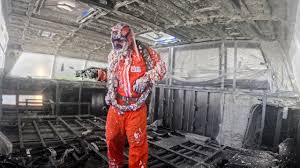 Step-by-Step Insulation of the Delos Explorer 53: Spray Foam on an Aluminum Catamaran">

Spray-foam insulation was applied to the majority of the Delos Explorer 53 hull, requiring a coordinated two-day operation that included thorough masking of deck hardware, ventilation of enclosed spaces, and isolation of electrical and plumbing runs to avoid overspray contamination.
Why spray foam for an aluminum hull
For an aluminum catamaran, spray polyurethane foam offers a high-density, conforming barrier that bonds to complex curves and structural stiffeners. It reduces thermal bridging across the hull plates and fills irregular cavities that would be difficult to insulate with batts or boards. From a cruising logistics perspective, the result is better onboard thermal comfort and reduced HVAC loads, which extends generator and fuel efficiency on long passages.
Key operational constraints at a glance
- Containment: All vents, electronics, and open cabinetry must be sealed prior to spraying.
- Ventilyasiya: Adequate exhaust and fresh-air intake are mandatory during application and curing to protect crew and sensitive equipment.
- Cleanup: Overspray removal and protective masking removal are time-consuming and require solvent-safe practices.
Materials, tools, and preparation
Supply-chain planning matters: sourcing closed-cell spray foam, protective sheeting, respirators, and spray rigs in advance prevents delays in shipyard schedules. The following checklist helps align procurement with shop time.
| Item | Məqsəd | Qeydlər |
|---|---|---|
| Closed-cell spray foam | Primary insulation | Moisture barrier plus high R-value per inch |
| Masking film & tape | Protect finishes and gear | Heavy-duty poly recommended |
| Respirators & PPE | Crew safety | Appropriate cartridges for isocyanate vapors |
| Extraction fans | Ventilation during cure | Maintain positive flow out of compartments |
Step-by-step application workflow
- Survey and document all spaces to be insulated; mark cable runs and plumbing trunks.
- Mask and seal all openings, vents, and sensitive equipment using poly sheeting and foil tape.
- Set up ventilation with dedicated exhaust fans and fresh-air intakes to create controlled airflow.
- Perform a small test spray to verify adhesion and expansion characteristics on aluminum substrates.
- Apply foam in controlled passes, allowing recommended cure times between lifts to manage exotherm.
- Trim excess foam and complete detailed cleanup, protecting painted and polished surfaces.
Comparing insulation options
| Method | Advantages | Disadvantages | Typical R-value per inch |
|---|---|---|---|
| Closed-cell spray foam | Sealing, structural benefit, moisture resistance | Messy application, requires professional handling | ~6–7 |
| Foam board (polyiso) | Clean install, predictable panels | Hard to fit irregular cavities | ~5–6 |
| Fiberglass batts | Cheap and available | Prone to moisture, thermal bridging | ~3–4 |
Environmental and post-install considerations
Spray-foam crews must consider solvent disposal, mask off skylights, and ensure that any trapped pockets of foam are trimmed to allow access for future maintenance. For charters and tourism operators, insulation choices affect guest comfort, noise levels, and the capacity to host yaxt partiləri or long-range cruises without excessive HVAC cycling.
Practical tips from the build
- Schedule foam application when the boat is dry and at ambient temperatures recommended by the foam manufacturer.
- Label and photograph all masked areas for quicker restoration after trimming.
- Use sacrificial covers on winches and electronics; even small amounts of overspray can be costly to remove.
The insulation phase is one place where build decisions have a direct line to the guest experience: quieter cabins, more stable interior temperatures, and better fuel economy all translate into improved cruise packages and longer-range passages that appeal to adventure-seeking travelers.
Highlights: the project demonstrates how a carefully planned spray-foam installation on the Delos Explorer 53 can yield thermal and acoustic benefits essential for comfortable cruising, reduced generator hours, and improved onboard reliability. Even the best technical explanations and reviews can’t substitute for time aboard a properly outfitted boat—personal experience reveals subtle trade-offs between comfort and maintenance. On GetExperience, you book your experience from verified providers at reasonable prices. This empowers you to make the most informed decision without unnecessary expenses or disappointments; enjoy the convenience, affordability, and extensive choices of experiences and extras available through the platform. Book now GetExperience.com
In summary, selecting and applying the right insulation—especially closed-cell spray foam—on an aluminum catamaran requires logistical foresight, proper containment, and a skilled crew. The payoff is tangible: reduced thermal bridging, quieter interiors, and more efficient cruise operations. These choices ultimately shape travel experiences, influencing everything from luxury adventure travel experiences and exclusive yacht charters for events to cruise packages and eco-friendly wildlife safaris. For travelers and owners alike, hands-on verification through museum tours with live guides, Online virtual tours, Interactive online cultural workshops, or actual Yacht parties and Adventure rafting trips for beginners can help decide what matters most. Consider Beginner esports coaching sessions or Professional esports training programs as parallel niche offerings, but for the sailing world, nothing replaces time aboard to judge insulation, layout, and comfort for yourself.