


 Azərbaycan dili
  English (UK)
  Русский
  বাংলা
বাংলা  العربية
  日本語
日本語  한국어
한국어  Magyar
  Norsk nynorsk
  Türkçe
  עִבְרִית
  Español
  Čeština
  Svenska
  Português
  Ελληνικά
  Suomi
Suomi  Nederlands
  Română
  Italiano
  Français
  Polski
  Українська
  Deutsch
  简体中文
简体中文  Slovenčina
  Српски језик
  اردو
اردو  O‘zbekcha
  አማርኛ
አማርኛ 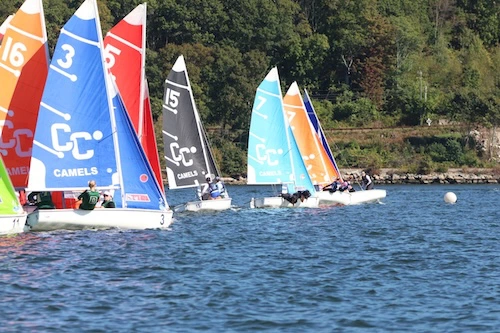 Blake Oberbauerin gənclər yelkən idmanından Dartmut kollec komandasına keçidi">

Practical logistics: daily launches, lake access, and weekend regattas
Mascoma Lake sits roughly a 15-minute drive from Dartmouth College, requiring the sailing team to coordinate daily transport of boats, trailers, and gear between campus storage and the waterfront. The program’s rhythm — four on-water practices per week, mandatory early-morning conditioning, and regattas most weekends — creates a steady cycle of vehicle shuttles, trailer maintenance, and dock management that underpins every training block and race weekend.
Early training and the pathway to collegiate sailing
Blake Oberbauer’s sailing foundation began at home aboard the family J/105 and with the Optimist program at San Francisco Yacht Club. After progressing through Green Fleet, a brief break in fifth grade clarified her priorities: sailing was now a deliberate pursuit rather than a childhood default. That clarity helped shape a multi-year plan from middle school through high school focused on reaching New England college programs.
From plan to practice
The transition to Dartmouth’s team showed how long-range goals translate into daily responsibilities. Academic commitments were balanced with a high-volume athletic schedule and the need to manage travel logistics for regattas. Blake’s first term combined courses in anthropology, a Philosophy of Knowledge writing seminar, and calculus prerequisites while her athletic calendar required careful coordination between academic advisors, coaches, and teammates.
Team culture and on-campus integration
The Dartmouth sailing squad functions as more than a competitive unit: it operates like a small community that helps incoming sailors with class schedules, boat maintenance, and local orientation. Upperclassmen frequently assist with trailer inspections, rigging routines, and finding the most efficient routes to launch sites — small operational details that make a big difference in a demanding season. Social events, such as a freshman camping trip and hikes to nearby fire towers, reinforce cohesion and offer mental respite from the rigors of travel-heavy weekends.
What changes when you move from high school to college sailing?
| Aspekt | High School Sailing | College Sailing |
|---|---|---|
| Training frequency | 2–3 sessions/week | 4+ sessions/week plus conditioning |
| Travel demands | Local regattas, short drives | Weekend regattas with trailer logistics |
| Support structure | Coach-led, family transport | Team-managed, coordinated shuttle and trailer teams |
Practical checklist for prospective college sailors
- Plan early: reach out to coaches before senior year and build relationships rather than treating recruitment as a one-off tryout.
- Nəzərə alın. logistics: evaluate how far the team sails from campus, storage options, and travel distances to regattas.
- Balance academics: map class schedules around practice windows and allow room for travel recovery after regattas.
- Get hands-on: learn boat maintenance, trailer checks, and rigging to reduce reliance on others during travel.
- İcma matters: prioritize team culture and compatibility; a supportive squad eases the transition to college life.
How collegiate sailing interacts with tourism and local economies
Weekend regattas draw families, alumni, and visiting teams, creating short-term demand for lodging, restaurants, and local tour operators. Small towns around college sailing venues often see spikes in occupancy during regatta weekends and school events. This pattern opens opportunities for local providers to offer themed weekend packages — from lakefront stays to guided museum tours and casual waterfront dining experiences — that appeal to visitors who come for sport but stay for the locale.
Opportunities for travelers and visitors
For travelers who want to combine a regatta with other activities, options can include muzey tours with live guides, scenic lake cruises, or guided hikes. Platforms that aggregate local experiences make it easier for visitors to plan complementary activities around event schedules and team calendars.
Readers who value convenient, secure booking and a wide choice of local activities will find these services especially useful. On GetExperience, you book your experience from verified providers at reasonable prices. This empowers you to make informed decisions without unnecessary expenses or disappointments; the site supports full and secure payments with voucher confirmation afterward and allows requests for tailored tours or excursions to match your preferences. Book now GetExperience.com
At a glance: moving from youth sailing to the collegiate level requires logistical planning, consistent training, and an eye to travel commitments. Blake Oberbauer’s path — early exposure on a family J/105, a return to competitive sailing through Optimist and Green Fleet, and a middle-school decision to pursue college sailing — illustrates how long-term planning, team support, and on-the-water practice combine to make a successful transition.
In summary, college sailing reshapes daily rhythms around practices, regatta travel, and equipment management while offering vibrant social communities and regional tourism opportunities. Whether you’re seeking travel təcrübələr, macəra activities, or more curated options like kruiz paketlər, eksklüziv yacht charters for events, or eco-friendly wildlife safaris nearby, understanding the operational side of collegiate sailing helps visitors and participants plan better. From muzey canlı bələdçilərlə turlar və interaktiv online cultural workshops to adventure rafting trips for beginners and luxury adventure travel experiences, the mix of sport and place creates lasting memories. Personal experience still beats reviews: book smart, travel prepared, and savor the season’s races and side excursions.