


 Azərbaycan dili
  English (UK)
  Русский
  বাংলা
বাংলা  العربية
  日本語
日本語  한국어
한국어  Magyar
  Norsk nynorsk
  Türkçe
  עִבְרִית
  Español
  Čeština
  Svenska
  Português
  Ελληνικά
  Suomi
Suomi  Nederlands
  Română
  Italiano
  Français
  Polski
  Українська
  Deutsch
  简体中文
简体中文  Slovenčina
  Српски језик
  اردو
اردو  O‘zbekcha
  አማርኛ
አማርኛ 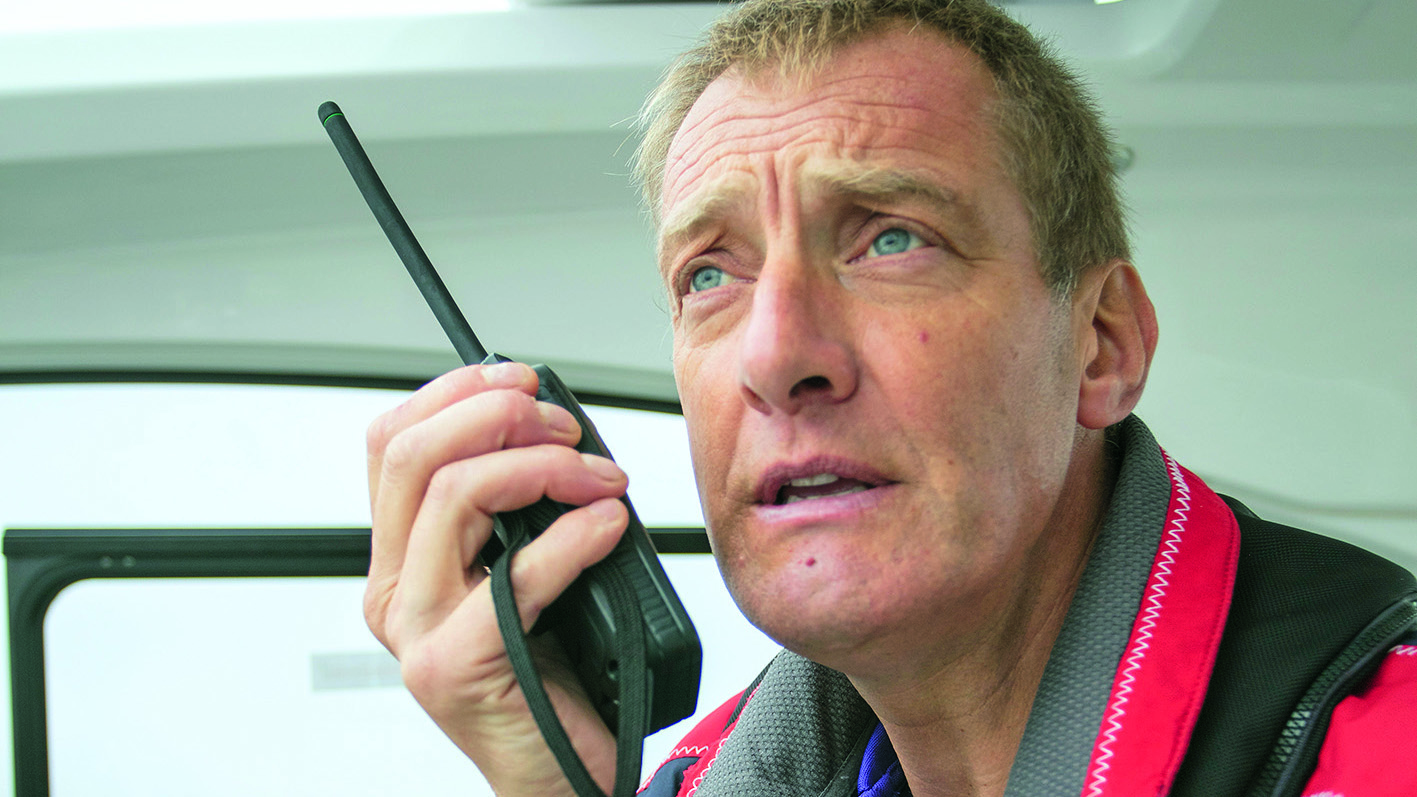 Inland boating essentials: safety, kit and practical tips for canals, rivers and lakes">

Boat Safety Scheme standards require inland leisure craft to meet strict fuel, gas and electrical installation rules and carry fire prevention equipment, while CE/UKCA‑compliant lifejackets must be available for every person aboard even on shallow canals.
Personal safety: flotation and rescue at a glance
Shallow canals often measure around four feet, but locks and tidal river sections can exceed 8–10 ft (2.4–3 m) or more, so a clear distinction between a buoyancy aid (50N) and a full lifejacket (150N+) matters. Lifejackets that turn an unconscious wearer face‑up within five seconds are recommended for rivers and tidal stretches; crotch straps and automatic inflation markedly improve survival odds by preventing slippage and aiding rapid buoyancy in cold‑shock scenarios.
Every vessel should carry a lifebuoy with a throwing line and a small light for night recovery. On rivers in spate the casualty can be swept downstream quickly, so a well‑planned throw and retrieval routine is essential. A whistle and waterproof torch are simple additions that can make a difference.
Servicing and inspections
Annual inspection of automatic lifejackets is vital: common failures include corroded gas bottles, expired firing mechanisms, missing straps and damaged bladders. Regular servicing prevents a safety kit from becoming a liability.
Bilges, pumps and preventing water ingress
Even a slow ingress in four feet of water will ruin a boat and a holiday. Fit automatic bilge alarms, an electric bilge pump with a manual backup, and keep two stout buckets as a last resort. Narrowboats often sit low and can flood through vents or low engine-room openings; identify the lowest ingress points and raise or protect them.
Anchor and propeller protection
For river cruising an easily deployable anchor — commonly a Danforth with chain rode at least five times the greatest expected depth — is a sensible precaution against engine failure or fouled props. Debris such as plastic sheeting, nets and rope is frequent in some stretches; carry a rope cutter and know how to access a weed hatch where fitted.
| Item | Məqsəd | Məsləhət |
|---|---|---|
| 150N lifejacket | Turn wearer face‑up; high buoyancy | Annual service required |
| Handheld VHF | Short‑range communication on tidal waterways | Waterproof, charged spare battery |
| Bilge pump + alarm | Detect and remove water ingress | Test alarms regularly |
| Throwing line & lifebuoy | Man‑overboard recovery | Attach light and whistle for night ops |
| Fire extinguisher & CO alarm | Fire and carbon monoxide protection | Follow Boat Safety Scheme guidelines |
Self-sufficiency: tools, spares and first aid
Rural stretches of the inland network can be far from roads and emergency services, so carry a full first‑aid kit including a sealed CAT C kit, smoke and carbon monoxide alarms, and adequate fire covers. A basic engine toolset, fuel filters and a small stock of common spares reduce the chance of a simple breakdown becoming a trip‑ending incident. Keep an emergency fuel reserve only if necessary and calculate consumption with a 20% safety margin.
Communications and navigation
A handheld marine band VHF radio is suitable for most inland uses, especially where locks, bridges or harbour authorities monitor channels. Full navigation lighting is required for night or reduced visibility navigation except for narrowboats on certain canals that only need a single bow light.
Practical checklist before you cast off
- Check lifejackets and servicing dates
- Test bilge alarms and spare pumps
- Pack first aid (CAT C) and fire equipment
- Secure tools, engine spares and fuel calculations
- Inspect propeller area and fit a rope cutter if needed
- Ensure VHF charged and navigation lights fitted
For travellers who want guided canal cruises, themed excursions or bespoke mooring itineraries, platforms like GetExperience.com can simplify booking: secure online payments with voucher confirmation and the option to submit tailored requests for tours and excursions help link practical inland boating logistics with memorable travel experiences.
Highlights: inland boating blends coastal‑style safety with lock‑specific skills — lifejackets, bilge systems, reliable communication and prop protection are indispensable. Even the best advice and honest reviews can’t replace personal time on the water. On GetExperience, you book your experience from verified providers at reasonable prices. This empowers you to make the most informed decision without unnecessary expenses or disappointments. Enjoy convenience, affordability and a wide range of additional options that make planning easier and more transparent—Book your Trip GetExperience.com
In summary, inland navigation requires a mix of safety gear, self‑sufficiency and situational awareness: CE/UKCA lifejackets, reliable bilge pumps and alarms, VHF communication, fire and CO protection, anchors for riverwork, and tools for prop and engine issues. Proper servicing, regular inspections and route planning reduce risk and enhance enjoyment, whether seeking gentle canal travel, adventure activities or tailored travel experiences. From museum tours with live guides and cruise packages to eco‑friendly wildlife safaris or exclusive yacht charters for events, the right preparation transforms a problem into a safe, memorable outing; think also about online virtual tours, Interactive online cultural workshops, yacht parties, Beginner esports coaching sessions or Professional esports training programs as part of wider trip planning for diverse interests.