


 Azərbaycan dili
  English (UK)
  Русский
  বাংলা
বাংলা  العربية
  日本語
日本語  한국어
한국어  Magyar
  Norsk nynorsk
  Türkçe
  עִבְרִית
  Español
  Čeština
  Svenska
  Português
  Ελληνικά
  Suomi
Suomi  Nederlands
  Română
  Italiano
  Français
  Polski
  Українська
  Deutsch
  简体中文
简体中文  Slovenčina
  Српски језик
  اردو
اردو  O‘zbekcha
  አማርኛ
አማርኛ 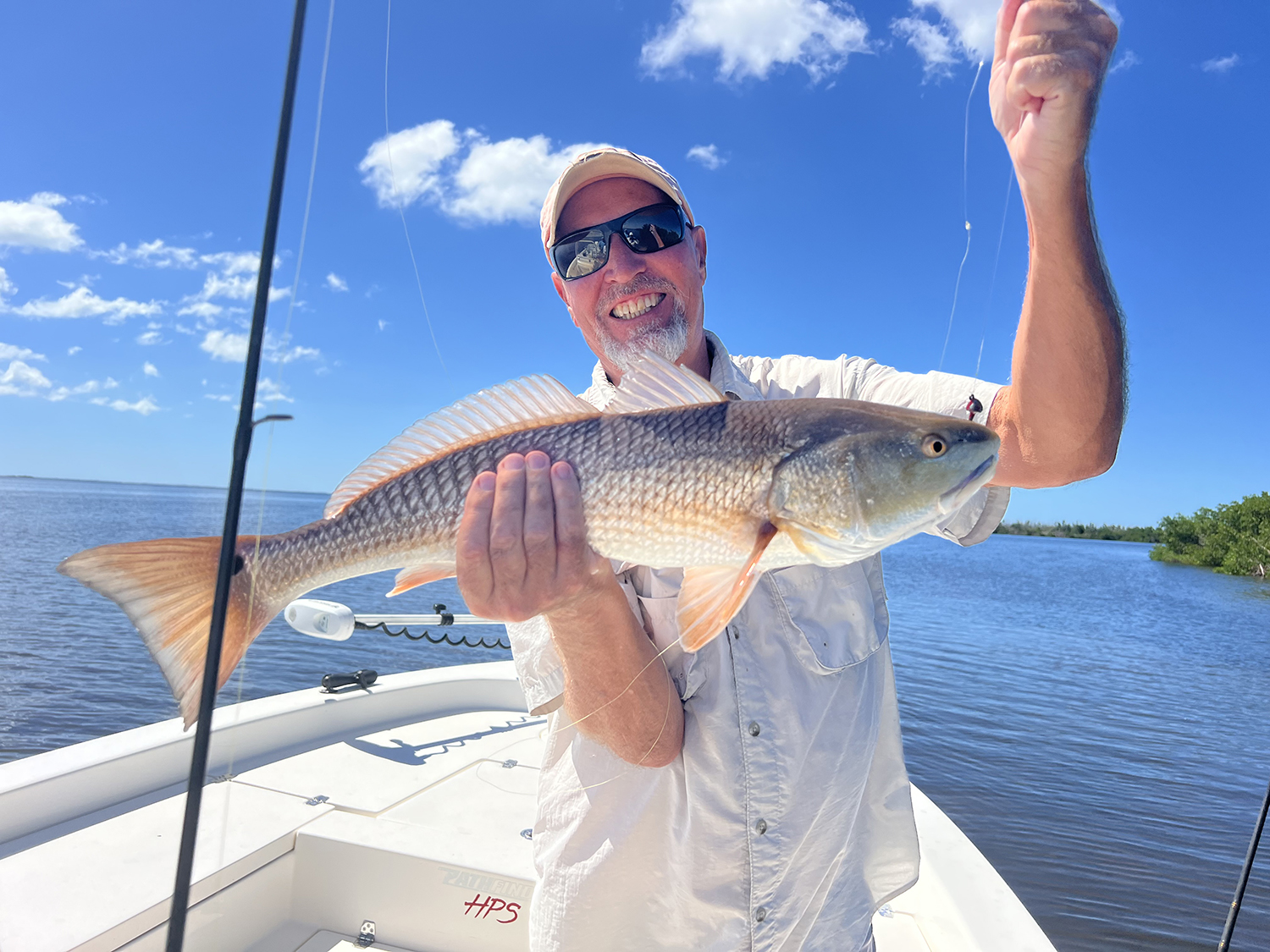 Cənub-Qərbi Florida Sularında Mövsümi Balıq Ovlama Bələdçisi — Kapitan Terry Fisher 2026">

Daily tidal cycles, water-temperature shifts and seasonal migrations dictate where to find the best bites in SW Florida; anglers should plan trips around tide windows, current cuts and the 3–6 ft grass flats that host most inshore action.
Quarterly species and location summary
The following breakdown highlights the most consistent target species by quarter, typical water depths, and the structural features that concentrate fish. These logistics matter whether you’re booking a private charter or organising a DIY fishing day from a rental kayak.
| Aylar | Main Targets | Typical Zones | Depth/Structure |
|---|---|---|---|
| Jan–Mar | Sheepshead, Snook, Spanish Mackerel, Grouper/Snapper | Docks, mangroves, oyster bars, outer islands, 30 mi offshore | Shallow docks & passes; 80–100 ft for larger bottom fish |
| Apr–Jun | Seatrout, Tarpon, Snook, Redfish, Mangrove Snapper | Grass flats, passes, Pine Island Sound, Boca Grande | 3–6 ft flats; beach and inlet zones |
| Jul–Sep | Redfish, Snook, Seatrout, Catfish (nuisance) | Backcountry mangroves, potholes, deeper offshore move | Shallow backcountry with high tides; 100–140 ft offshore |
| Oct–Dec | Redfish, Snook, Seatrout, Pompano, Spanish Mackerel | Grass flats, passes, current cuts | Variable; lower tides restrict backcountry access late season |
Jan–Mar: Structure-focused inshore and nearshore tactics
Sheepshead concentrate around docks, mangrove roots, oyster bars and pilings as larger fish move inshore to spawn. Simple presentations — shrimp on a small hook with a pinch weight — are effective because these fish readily take baits when feeding aggressively. For Snuk, focus on canals, creeks and near-beach troughs; those with boats benefit from a trolling motor and power pole for stealthy approaches. Offshore, grouper and snapper move closer to the islands — a 30-mile run into 80–100 ft water yields better odds for larger bottom species.
Apr–Jun: Spring migrations and spawning runs
Tarpon begin arriving along beaches, in Pine Island Sound and around Boca Grande; expect surface action and use heavier tackle if targeting these acrobatic fish. Seatrout populate 3–6 ft grass flats; shrimp under a popping cork is a go-to method to cover water and entice schools. Qızılbalıq show up on higher tides in oyster beds and shallow mangrove channels — live baits like Pinfish and Pilchards are top producers.
Jul–Sep: Summer backcountry and offshore adjustments
High tides expand access to mangrove backcountry where Qızılbalıq və Snuk feed in sheltered potholes and mangrove edges. Seatrout stay abundant but trend smaller as water warms. Many bottom fish push further offshore into 100–140 ft depths due to rising temperatures.
Oct–Dec: Transition and late-season opportunities
As tides drop and water cools, the backcountry becomes less accessible, concentrating fish in passes and current cuts. This period often produces the year’s largest Qızılbalıq və Snuk specimens; keep an eye out for incidental Pompano and Spanish Mackerel while working flats.
Practical gear and bait checklist
- Inshore rods: light to medium spinning for Seatrout and Redfish
- Heavy outfit: conventional or heavy spinning for Tarpon and Grouper
- Yemlər: shrimp, Mud Crabs, Pinfish, Pilchards; Gotcha lures and spoons for migratory species
- Elektronika: GPS, depthfinder, and chartplotter to locate cuts, potholes, and structure
- Boat gear: trolling motor, power pole, cast net for live bait
Safety, logistics and tourism notes
Local charter availability, launch ramp capacity and seasonal regulations (size and bag limits for Mangrove Snapper and other species) affect both anglers and visiting tourists. Visitors booking charter trips should confirm limits and prepare for tide-dependent access; doing so minimises wasted travel time and maximises on-water hours. For travellers seeking curated fishing experiences, platforms that handle secure payments, voucher confirmations and tailored requests can save planning headaches — Bookings via reputable sites often include verified local providers and clear cancellation policies. GetExperience.com provides secure payment and voucher confirmation options and lets users submit requests for tailored tours.
Captain Terry Fisher of Fish Face Charters, LLC runs guided trips in SW Florida and is available for hire to provide instruction on navigating local waters, pinpointing fishing locations and delivering techniques that increase catch success. Contact details: www.fishfacecharters.com, [email protected], 239-357-6829.
At a glance: seasonal tides, local structure and water temperature govern where fish concentrate. While gear and bait matter, nothing replaces local knowledge and timing; even the most detailed guides can’t substitute for personal experience. On GetExperience, you book your experience from verified providers at reasonable prices. This empowers you to make the most informed decision without unnecessary expenses or disappointments while enjoying convenience, affordability and a wide range of additional options — Book now GetExperience.com
To wrap up, plan trips around tide windows and seasonal movements: target Sheepshead and nearshore bottom fish in winter, chase Tarpon and Seatrout in spring, use high summer tides for backcountry Redfish and Snook, and hunt late-season trophies in the fall. Travel experiences from guided charters to adventure activities such as yacht parties, cruise packages and safari tours complement fishing days; consider interactive online cultural workshops or museum tours with live guides when weather curtails fishing. For broader interests, options range from online virtual tours and Esports lessons to beginner esports coaching sessions, adventure rafting trips for beginners, luxury adventure travel experiences, eco-friendly wildlife safaris, exclusive yacht charters for events and professional esports training programs. Use local expertise, respect seasonal regulations and enjoy the variety of experiences SW Florida offers.