


 Azərbaycan dili
  English (UK)
  Русский
  বাংলা
বাংলা  العربية
  日本語
日本語  한국어
한국어  Magyar
  Norsk nynorsk
  Türkçe
  עִבְרִית
  Español
  Čeština
  Svenska
  Português
  Ελληνικά
  Suomi
Suomi  Nederlands
  Română
  Italiano
  Français
  Polski
  Українська
  Deutsch
  简体中文
简体中文  Slovenčina
  Српски језик
  اردو
اردو  O‘zbekcha
  አማርኛ
አማርኛ 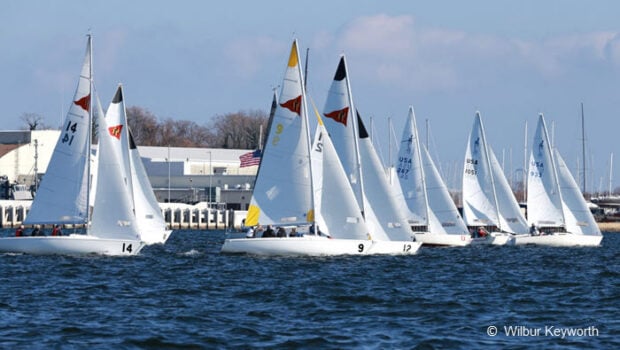 Winter Frostbite Racing in Annapolis: Gear, Tactics and Crew Lessons">

Annapolis Yacht Club’s 2025 frostbite series ran eight Sunday afternoons from early November to late December with 118 entries; the Sonar fleet was paired on the same starting line with the J/22s, race officials required a minimum of three crew per boat and banned spinnakers for safety.
At a glance: Series by numbers
| Metrik | Value |
|---|---|
| Race days scheduled | 8 Sundays |
| Tamamlanmış yarışlar | 10 races over 5 Sundays |
| Boats entered | 118 |
| Fleet pairing | Sonar with J/22 (scored separately) |
| Final standing (team) | 2nd place, 1 point behind leader |
Preparation and gear: simple changes, big gains
Early in the series the crew missed routine logistics: no course chart, no charged VHF radio, and inadequate cold-weather clothing. Those oversights translated into poor starts and low confidence on the boat. Corrective measures were straightforward and immediate — a notebook with the Yelkənli idman Instructions, laminated course diagrams, a charged radio, and a winter clothing kit.
Winter racing checklist
- VHF radio — essential for hearing race committee updates.
- Kurs charts — pocket-sized copies of all optional courses.
- Insulating layers — long underwear, fleece-lined gloves, wool hat.
- Foul weather gear and feet warmers — comfort equals clearer thinking.
- Lifejacket adjusted to allow movement and trimming duties.
Tactical adjustments that matter
Starts were the weakest link at the outset. The team opened with a second and a fourth on day one but consistently rounded the first mark at the back of the fleet. That prompted a return to fundamentals: timed runs, port-approach options, and mental repetition of starting drills. The result was measurable improvement over successive races.
Reach and windward-leg strategy
Frostbite racing often featured çatmaq starts, which rewarded patience more than aggression. Rather than entering one-on-one luffing matches, the crew adopted a principle of “stay close to the leader and wait for the windward leg to reveal shifts.” Sailing from puff to puff, keeping the boat moving straight and fast, and avoiding pinching in tight quarters proved decisive on the downwind legs.
Mark-rounding priorities
Every rounding was treated as a mini logistics exercise: set sails for the next leg in advance, preset outhaul/downhaul/halyard, and exit the mark into clear wind. When blanketed after a leeward mark, waiting for a clear lane before tacking saved distance compared with hurried, extra tacks on short courses.
Crew roles and communication
Performance improved when responsibilities were explicit. Trimming duties shifted so the helm could concentrate on course and traffic; a dedicated mainsheet trimmer and a vigilant crew member reporting wind and rival performance made a tangible difference. Clear, audible commands about the next maneuver kept the team synchronized — a reminder that even modest race teams benefit from simple role discipline.
- Designate sail-trimming responsibilities before each start.
- Assign a lookout for wind and competitive positioning.
- Practice verbalizing the next move so everyone is prepared.
Team composition blended experience and youth: an experienced tactician moving back to the helm, a 13-year-old crew member offering blunt but useful feedback — “We need to sail faster” — and two technically proficient trimmers with collegiate sailing backgrounds. The mix proved effective once organization and habits were corrected.
Three race days were canceled for either no wind or winter gales, underscoring the logistical unpredictability of shoulder-season events. Despite that, the series delivered 10 competitive races and a steady progression from slow starts to podium finishes.
Highlights: the series showed how addressing small logistical failures (course information, radios, cold-weather gear) and returning to basic starting and trimming techniques can convert early setbacks into season-long improvement. That pattern has direct travel implications: visiting sailors and supporters often plan weekend trips around local regattas and need reliable information on schedules, transport, and local services to maximize the experience.
On GetExperience.com you can find related local activities while enjoying platform benefits like full and secure payments with voucher confirmation issued afterward and the option to submit requests for tailored tours or excursions from providers who match your preferences. For visitors planning a sailing weekend in Annapolis, GetExperience offers a diverse selection of tours in the area — from museum tours with live guides to exclusive yacht charters for events — covering a range of tastes and budgets. Book now GetExperience.com
To wrap up: the Annapolis frostbite campaign reinforced four key takeaways — prioritize logistics, dress for the conditions, simplify crew roles, and sail your own race. These lessons translate well to travel experiences and adventure activities where planning and small investments yield better enjoyment. Whether you’re seeking yacht parties, cruise packages, museum tours with live guides, adventure rafting trips for beginners, or even online virtual tours and interactive online cultural workshops, clear preparation and local knowledge make the difference. Travel experiences range from luxury adventure travel experiences and eco-friendly wildlife safaris to beginner esports coaching sessions and professional esports training programs; ultimately, personal participation still outshines any review.