


 Azərbaycan dili
  English (UK)
  Русский
  বাংলা
বাংলা  العربية
  日本語
日本語  한국어
한국어  Magyar
  Norsk nynorsk
  Türkçe
  עִבְרִית
  Español
  Čeština
  Svenska
  Português
  Ελληνικά
  Suomi
Suomi  Nederlands
  Română
  Italiano
  Français
  Polski
  Українська
  Deutsch
  简体中文
简体中文  Slovenčina
  Српски језик
  اردو
اردو  O‘zbekcha
  አማርኛ
አማርኛ 

Assign a buddy to every student and verify headcounts before departure and at each transition. Use a ratio of one adult for every eight students, and have the supervising office track totals here on a shared device. This approach ensures groups stay cohesive across different floors, campuses, or venues and helps locate students tez bir zamanda if they lag behind.
Require comfortable, closed-toe shoes and clothing suitable for weather. Before leaving, remind families to pack water and a snack; each student should carry a small bag with a printed roster and a buddy contact card. Supervisors carry some tools: a whistle, a flashlight for dim stairs, a first-aid kit, and spare batteries to keep the group moving smoothly and rahatlıqla through the day.
Plan routes in advance using site maps and local staff guidance. Assign a lead and a back-up for each group; keep the group together, especially on stairs or crowded halls. Conduct headcounts before leaving buses or stations, at every floor change, and prior to meals or rest breaks to ensure anyone is missing can be found immediately.
Establish a simple on-site communication protocol: one radio or direct-line per group, a shared contact list, and a designated meeting point. Prior to the trip, share this plan with students and families. Practice regrouping burada at the start of the day, so everyone stays calm and comfortable in unfamiliar spaces.
Back at school, perform a final headcount and compare with the roster, then file a brief post-trip report for the office noting timings, routes, and which tools or resources aided smooth operations. Keep copies of local venue policies and emergency contacts for future home visits and education trips.
Pre-Trip Risk Assessment Template and Scenario Planning

Use ready-made templates to document risks before each trip and have them doğrulanmış by staff.
Fill the templates ilə preparation steps, a cell count for devices, and a buddy plan to keep children safe. Prepare the plan well in advance to reduce delays.
Daxil edin formlar üçün medical needs, transportation details, supervision ratios, and emergency contacts; these specifics, which help you icmal key factors and stay organized. They rely on swift, informed decisions.
Only trusted staff should handle critical decisions, and clear roles prevent gaps. Each staff member should review the checklist themselves. They know their roles. Always verify the plan özün as a final check.
Establish a scalable workaxını üçün böyük groups: pair children with a buddy, assign two staff per bus, and maintain a cell count of all participants so you can respond quickly. This work relies on clear, step-by-step actions.
Templates and Forms
Templates should include fields for date, trip name, route, vehicle, driver contact, on-site leader, contact numbers, and medical needs.
Forms track training status, consent confirmations, and the backup plan; use quick-reference sections for critical risks, controls, and verification steps.
Keep copies on site and in the office, and verify data before departure to support staff readiness.
Scenario Planning
İnkişaf etdirin Xüsusi scenarios: late arrival, transport delay, missing child, medical episode, and severe weather.
For each scenario, define triggers, actions, owners, and a post-incident öyrənmə step.
Run a quick tabletop exercise with the buddy and staff to refine the plan and capture lessons learned.
Review the plan quarterly and update it with new insights, ən yaxşısı practices, and changes in staff or routes.
Parental Consent, Medical Information, and Emergency Contacts Protocol
Always obtain written parental consent, complete medical information, and emergency contacts for every student, and keep copies at school and with the chaperone during transportation and activities. Have two copies: one in school records and one ready for trip day.
Recommended roles assign a dedicated guard to oversee health and safety tasks, and maintain a ratio of 1:8 for elementary groups and 1:12 for secondary groups, with a minimum of two chaperones per vehicle or group. This structure supports constant oversight on floors, in venues, and during transportation.
Breakdown of responsibilities covers medications, allergies, and incident readiness. The school nurse handles medications and medical conditions; teachers monitor allergies and dietary needs; a guard role oversees transitions and incident-prevention activities; the chaperone team coordinates through a single contacts list and communicates with guardians as needed. Also, ensure that all unused medications are accounted for and returned to guardians at the end of the event logistics.
Registrations collect essential data: student name, grade, teacher, two emergency contacts, physician name and phone, allergies, medications, and any special needs. Always verify contact numbers before departure and update records if a change occurs. Keep the information secure and accessible to the designated staff only.
Medical information sheets must be updated monthly or whenever a change arises. Include dosing instructions and administration plans for medications, highlight allergies, and note any required accommodations. Also, keep a copy with the hotel liaison packet if a hotel stay is involved and ensure transportation staff have access to the latest version.
Before departure, verify safety details in each venue, including floor layouts and elevator access, and confirm that transportation kits are complete. Remind students about dress guidelines and safety expectations, and remind guardians to avoid bringing unused accessories that may pose hazards.
In case of an incident, follow the designated escalation steps: notify the school administrator or health lead, contact guardians, and document the event in a consistent log. Always have printed emergency contact lists and a digital backup accessible by the school, and ensure that local emergency services are called when required. The process should be repeated after each incident to refine the protocol for months ahead.
Consent and Medical Information Collection
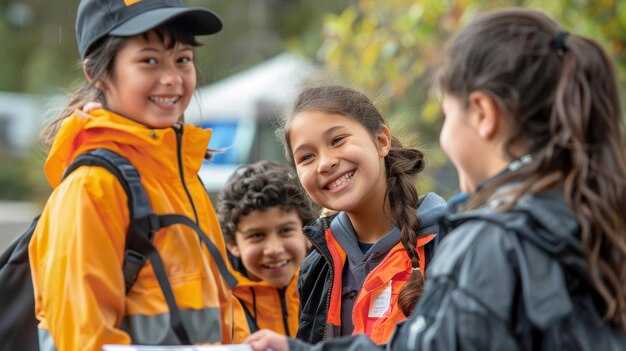
Collect consent forms and medical information through the registrations process, update any changes, and keep a secure, labeled copy with the chaperone on the day of travel. Ensure allergy and medication details are clear and actionable for staff.
Emergency Contacts and Incident Protocol
Maintain two primary contacts and one alternate, verify numbers before departure, and share contact details with guardians. In an incident, activate the emergency plan, assign a point person, and document actions promptly for reference and after-action review.
| Element | Tələb | Who Holds | Qeydlər |
|---|---|---|---|
| Consent Form | Signed by parent/guardian; on file | School Registrar | Carry copy on trip |
| Medical Information Sheet | Allergies, medications, special needs | School Nurse | Update monthly or on change |
| Emergency Contacts | Two primary, one secondary | Registrations Office | Verify numbers before departure |
| Medication Handling | Storage, dosage, administration plan | Health Coordinator | Return unused meds to guardian |
| Chaperone Assignment | Minimum two per vehicle/group; 1:8 or 1:12 | Chaperone Lead | Keep roster updated |
Transportation Safety: Vehicle Checks, Driver Briefings, and Seating Plans
Vehicle Checks
Perform a pre-trip vehicle check for each vehicle and ensure it is reviewed and completed before departure. Record the name of the vehicle, its license plate, and the date of the last inspection in the log. Inspect tires for tread and inflation, test brakes, lights, horn, wipers, mirrors, and seat belts, and verify emergency gear such as a first-aid kit, flashlight, spare tire, and tool kit. Keep receipts and registrations for all expenses and note any repairs with details. Set aside a budget for minor fixes and appoint a staff member to monitor any issues that arise. There are different checks to cover interior cleanliness, seating space, accessibility, and clearly marked exits. Require closed-toe shoes for riders and volunteers, and remind them to obey the safety rules during loading and unloading. Conduct clear safety cues and use discretion in addressing concerns; maintain a respectful attitude toward all participants. Use tools such as a shared checklist and a simple mobile log to capture observations and attach photos if needed. The chosen vehicle and driver should be verified by a supervising adult, and the log should show that the checks were completed and approved. Always update the team if a concern emerges, and act immediately to prevent risk. Volunteering remains a core part of the process, with coordinators guiding support and evaluating what went well. Document issues as they arise and share them with them for action.
Driver Briefings and Seating Plans
Brief the chosen driver 30 minutes before departure and cover route details, pickup points, weather contingencies, and emergency contacts. Review the conduct expectations with all volunteers and remind them to leave no one behind and to keep aisles clear. Build a seating plan that keeps aisles unobstructed, assigns seats by groups or accessibility needs, and respects gender identities; log who sits where and why, so adjustments are easier. A back-row observer or designated chaperone should monitor the rear area to enforce the buddy system and prevent students from leaving the vehicle without staff. Ensure registrations for all participants and volunteers are current, and provide a quick faqs sheet for on-site questions. After the trip, gather receipts, finalize expenses, and record details for future planning, including notes on any changes to the plan. If issues arise, contact the school office immediately and handle the situation with thought and care, adjusting the plan for the next outing. Volunteering remains a key part; recognize and thank helpers for their role while keeping safety as the priority.
Chaperone Protocols: Roles, Ratios, and Incident Reporting
Assign a Lead Chaperone for every trip and implement age-appropriate ratios: elementary 1:8, middle 1:10, high 1:12. This provides clear accountability and manageable groups. Before departure, run three headcounts: at the bus loading spot, at the midpoint, and at the return spot. Use a master roster and check each child off as they join or leave a subgroup, so know there are no surprises at the spot. Three checks are enough and this avoids overkill while keeping transitions smooth. This is a no-brainer for safety and reduces confusion during movements.
Roles and responsibilities
- Lead Chaperone: owns the trip plan, coordinates with the teacher and driver, communicates with the school office, and leads incident response. keeps a cell phone ready for emergencies and logs actions in the incident log. ensures each child is part of a buddy pair and stays with their assigned group. chaperones should know the plan and their roles to maintain accountability through real-time updates; every action ties back to the master plan.
- Assistant Chaperones: monitor subgroups, perform headcounts at every checkpoint, supervise activities taking place, enforce the buddy system, and document safety concerns. rotate duties to prevent fatigue and ensure coverage at all times.
- Medical/First Aid Liaison: carries a basic kit, records allergies and medications, handles minor injuries, and informs parents as required. liaises with the nurse when professional care is needed.
- Teacher/Staff Liaison: keeps the trip plan current, communicates changes to staff and families, and ensures required forms and permissions are collected.
- Student Safety Monitors: trained students or volunteers who help peers stay with their group and report hazards to a chaperone promptly.
Plans, checks, and discretion
- Group assignments: divide each activity into clusters of 6–8 students with at least one chaperone per cluster; adjust by age, activity level, and weather conditions. There is a list of roles and contact numbers that should be updated after each trip.
- Discretion and privacy: share only necessary information with students and parents; protect sensitive data and avoid posting details publicly.
- Cell use: limit cell phones to coordination and emergencies; schedule updates to minimize distractions during supervision.
- Check points and spot management: perform headcounts at each checkpoint and at the final return spot; use a simple check to confirm everyone is present.
- Return protocol: verify all children have returned to their group and are accounted for before releasing them to parents or bus.
Incident reporting and learning
- Immediate actions: ensure safety, separate any injured or distressed students, and assign a staff member to document the incident with time, location (spot), and participants.
- Documentation: complete an incident report detailing students involved, staff, location, times, actions taken, and outcomes; keep this secure and accessible to the administration.
- Notification: inform the principal and parents within the required timeframe using the standard template.
- Review and feedback: after return, hold a debrief with all chaperones; collect feedback, note what was learned, and update the plans and checklists.
- Follow-up: share lessons learned with the education team and revise training plans over the coming months to strengthen future trips.
Accountability and continuous improvement
- There must be clear accountability: the Lead Chaperone and teacher oversee all actions, and every step is logged for auditability.
- After-action reviews identify gaps in headcounts, checkpoint timing, and supervision coverage; update the master plan accordingly.
- Education and training: embed trip safety into ongoing education plans and require periodic chaperone refreshers, typically every few months, with documented progress and required certifications.
On-Site Safety Checks: Hazard Walkthrough, Evacuation Routes, and First Aid
Conduct a hazard walkthrough at arrival and again before leaving. Here is the part where you check every floor and corridor: floors, stairs, doors, and equipment, identify hazards, and log them in your system using the forms. A quick meeting with teachers and group leaders guarantees accurate headcount and confirms buddy assignments. Take photos of identified hazards and tag them to the learning spaces on the website for post-trip reference. Note any childs with special needs so staff can adjust spacing and supports. If a hazard is found, thats a no-brainer to address immediately. Record total students and adults to verify groups.
Hazard Walkthrough Details
Assign a lead for each group and pair up a buddy to maintain connections between childs and adults. Verify that each floor zone–floors 1 and 2, ramps, cafeteria, gym, and outdoor paths–is clear of hazards. Remove electrical cords from walkways, secure mats, and keep doors and exits unobstructed. For each issue identified, log location, impact on child safety, and the suggested fix in the forms. Keep the total count of child and adult participants in your headcount and share updates with teachers before the meeting ends. Also confirm devices are charged so radios and phones stay reliable during transitions, and capture photos of changes to attach to the post-trip report.
Evacuation Routes and First Aid
Establish two evacuation routes per space and post primary and secondary exits on maps accessible in your system. Display a simple route diagram at each meeting point and rehearse the plan with teachers and groups at the start and end of the visit. During an evacuation, perform a headcount at the assembly point, confirm that all childs are accounted for, and note any missing persons immediately. Assign a staff member to monitor leaving areas so families and buses stay together; ensure a charged flashlight and a phone with backup battery are available. For individuals with special needs, assign a buddy or helper to assist through the route. After the trip, upload a short post-trip note and photos to the website so that the full record stays current and easily accessible to your teachers, parents, and safety partners.
Post-Trip Debrief and Data Capture: Incident Reporting, Feedback, and Template Reuse
Use a standardized post-trip debrief template within 24 hours of the departure and before children reach home. This no-brainer approach captures incident data, collects feedback from chaperones and staff, and yields ready-to-send reports for your school community. Store templates in an online repository so every trip uses the same structure, making the process easier and more consistent.
Incident Reporting Protocol
- Record basics: event name, date, morning briefing notes, departure time, location, group size, chaperones, and number of children involved.
- Describe the incident: sequence of events, injuries or near-misses, actions taken, and whether emergency services were called.
- Time stamps: note when the incident started, when it was addressed, and when the scene was cleared.
- People involved: identify staff, chaperones, and any strangers encountered; note any guardians contacted.
- Immediate actions: first aid performed, transport arrangements, and communications with school leadership.
- Documentation: attach photos or scanned forms if allowed; record device status and whether devices were charged for data capture.
- Privacy and storage: anonymize student names, store data securely, and limit access to authorized personnel.
- Fill and ease: provide a fillable form to fill data quickly and ensure fields are complete for every incident.
Feedback Capture and Template Reuse
- Feedback flow: send a short online survey to teachers, chaperones, and volunteers within 48 hours; ask for two items: what went well and what could improve.
- Template reuse: maintain a master library of templates; tag templates by trip type (museum, outdoor, urban) and reuse the core structure; edit only sections that apply.
- Data fields: fill in event type, groups, points of risk, actions taken, and follow-up tasks; use standardized codes to ease analysis.
- Reminders and timelines: require completion within 3–5 days; set automatic reminders if needed.
- Action plans: assign owner, deadline, and next steps in the template; track progress to closures.
- Accessibility: ensure templates are available online and on mobile devices; provide offline copies for areas with poor connectivity; confirm all attachments remain accessible.
- Availability: templates stay ready for reuse across many events, reducing prep time for future arrangements.
This stay-focused practice helps teams stay aligned and prepared for the next event, while keeping the process simple for staff, chaperones, and volunteers. The consolidated data supports better morning briefings, safer activities, and clearer communication with home and online stakeholders, with many benefits for children and their families.