


 Azərbaycan dili
  English (UK)
  Русский
  বাংলা
বাংলা  العربية
  日本語
日本語  한국어
한국어  Magyar
  Norsk nynorsk
  Türkçe
  עִבְרִית
  Español
  Čeština
  Svenska
  Português
  Ελληνικά
  Suomi
Suomi  Nederlands
  Română
  Italiano
  Français
  Polski
  Українська
  Deutsch
  简体中文
简体中文  Slovenčina
  Српски језик
  اردو
اردو  O‘zbekcha
  አማርኛ
አማርኛ 

Rome, a city steeped in history and culture, is not only a treasure trove of ancient artifacts but also a hub of scientific inquiry and innovation. For those who want to delve into the realm of knowledge, the scientific museums of Rome offer a collection of exhibits designed to engage visitors of all ages. From the brilliant discoveries of Galileo and Fermi to the ambitious technologies of modern times, these museums provide access to the evolution of science in a way that is both educational and enjoyable.
During your journey through the city, every stop in these scientific enclaves promises a unique experience. Kids and adults alike will be fascinated by the achievements of the scientific sector, exploring pieces that highlight the wonders of nature and the laws of physics. The interactive exhibits provide a special opportunity to engage with science, without the need for extensive prior knowledge. This makes visiting these museums a perfect activity for families traveling in a motorhome or groups managing with limited time, ensuring that they make the most out of their trip to Rome.
The scientific museums in Rome hold a special place within the European context, showcasing how Italy has contributed to the global understanding of natural phenomena. Each exhibit tells a story, guiding visitors through the footsteps of great thinkers and innovators, like Leonardo da Vinci and others who have shaped our understanding of the universe. For those traveling from neighboring cities like Venice or Genoa, the museums are a must-visit, offering a compelling glimpse into the scientific achievements that have transcended borders and time.
The Historical Significance of Rome’s Science Museums
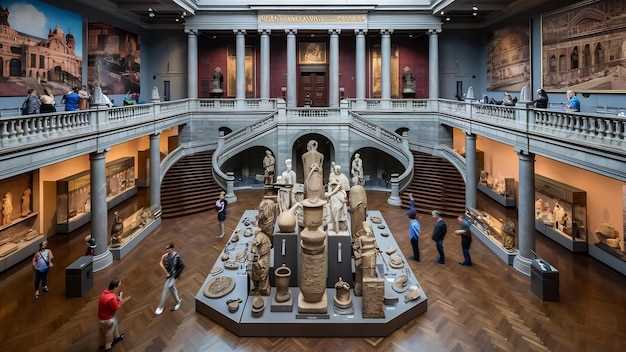
Rome’s science museums are not just mere collections of artifacts; they are a testament to the brilliant advancement of human curiosity and innovation. Institutions like the Museo della Scienza e della Tecnologia Leonardo da Vinci and the Museo di Storia Naturale showcase exhibits that trace the footsteps of scientific development throughout history, from ancient discoveries to modern experiments. They offer visitors, young and old, a chance to engage with the wonders of science through interactive displays, such as the planetarium and hands-on areas where kids can experience the magic of scientific illusions. These museums serve as a critical area for learning, allowing families to explore the relationship between nature and technology while fostering a sense of discovery.
Moreover, the historical significance of these museums extends beyond their walls. They play an essential role in the marketing of science, making it accessible to the public without needing a deep academic background. Through various events and collaborative projects, these institutions bridge the gap between scientific communities and the general populace, ensuring that knowledge isn’t confined to private collections. A visit to Rome’s science museums is a journey through the rich tapestry of human achievement, where the heart of science beats strong. Whether you’re traveling from Naples or simply exploring the centro of Rome, each visit is an adventure filled with learning and engagement that inspires the next generation of explorers.
How Did Rome’s Scientific Museums Evolve Over Time?

The journey of Rome’s scientific museums began in the Renaissance, a period rich with discoveries that set the stage for the future. Initially, these institutions served as homes for the elite, where private collections of natural curiosities and scientific instruments were displayed. The aristocracy in Rome, driven by a desire to showcase their wealth and knowledge, started to store fascinating exhibits that would later inspire public interest in science.
As time progressed, the museums evolved from exclusive collections to more accessible public institutions. The 18th and 19th centuries witnessed a transformative period, wherein the scientific community sought to catalogue and present knowledge in a way that was engaging for the masses. Exhibitions became integral to this evolution, illustrating the wonders of physics, the cosmos, and the intricate details of nature. Ragazzi və uşaqlar found themselves drawn to these spaces, as museums began to cater to families and educational groups, thereby expanding their user base.
The role of these scientific establishments was further cemented during the unification of Italy in the 19th century. Museums were not only a representation of Italy’s achievements in the European sector but also a means to foster national pride. The exhibitions emphasized Italy’s contributions to science, showcasing models of planets, robots, and discoveries that highlighted the evolution of human understanding across various fields.
Visiting these museums now offers a broad and enriched experience. Each exhibit serves to immerse travelers in a rich tapestry of knowledge. From the natural history exhibits to the optical wonders found at the Museo della Scienza e della Tecnologia, each museum is a testament to Rome’s commitment to preserving scientific heritage while making it enjoyable for diverse preferences.
In recent years, the integration of modern marketing strategies and technology has further augmented the experience. Museums in Roma now utilize interactive displays and digital models, allowing visitors to engage with content in ways that both entertain and educate. This shift not only attracts tourists but also encourages local groups to plan their trips around these educational offerings.
The evolution of Rome’s scientific museums reflects a broader trend in the global context, where institutions adapt and change in response to societal needs and interests. The focus on displays that engage the public, such as traveling exhibits and community programs, signifies a commitment to education and accessibility. This marks a departure from the days when knowledge was reserved for the privileged few.
The future of Rome’s scientific museums looks bright, as they embrace technology while remaining steadfast in their mission to inspire awe and curiosity. The roadmap ahead points to continued investment in exhibitions that reflect both Italy’s storied past and its ongoing journey toward innovation. Visitors to the museums can expect to explore a dynamic landscape of science that will always be rooted in the rich soil of history and discovery.
Key Figures in the Development of Scientific Institutions
Throughout history, Italy has been home to remarkable individuals who spearheaded the evolution of scientific institutions. Figures like Galileo Galilei, whose innovations with the telescope opened new perspectives on our understanding of the universe, paved the way for modern science. The public’s need for accessible knowledge led to the establishment of museums that celebrate this evolution, merging education with exploration. Notably, institutions like the Museo della Scienza e della Tecnologia Leonardo da Vinci have become beacons for visitors, offering collections that showcase the most influential technologies of our time, while also honoring the genius of those who came before us.
Additionally, innovators like Enrico Fermi have played an essential role in advancing scientific research and public interest in various fields, including physics and robotics. Museums are designed not just to display artifacts but to create an interactive environment where every visitor can discover the wonders of science. Initiatives that focus on sustainable development in this sector, such as organizing events and activities for young minds, ensure that these institutions remain functional and relevant. Tickets can be purchased online or at the park entrance, making it easy for families traveling in motorhomes or caravans to make this journey a perfect stop in their exploration of nature and science, celebrating every aspect of human curiosity.