


 Azərbaycan dili
  English (UK)
  Русский
  বাংলা
বাংলা  العربية
  日本語
日本語  한국어
한국어  Magyar
  Norsk nynorsk
  Türkçe
  עִבְרִית
  Español
  Čeština
  Svenska
  Português
  Ελληνικά
  Suomi
Suomi  Nederlands
  Română
  Italiano
  Français
  Polski
  Українська
  Deutsch
  简体中文
简体中文  Slovenčina
  Српски језик
  اردو
اردو  O‘zbekcha
  አማርኛ
አማርኛ 
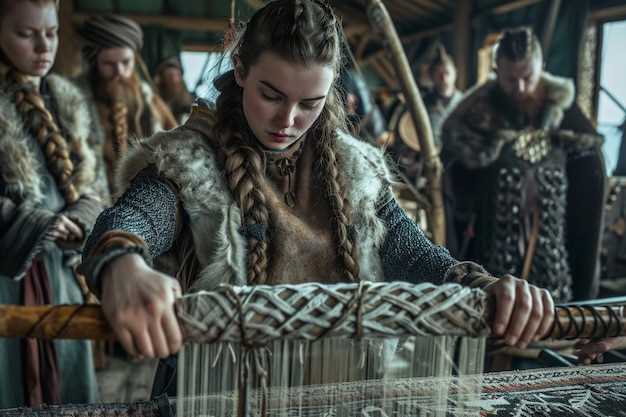
The year 1725 marked a significant moment in the history of Native American and European relations, particularly as a delegation of indigenous allies arrived at the court of Louis XV. This meeting symbolized not just a temporary alliance but an intricate tapestry of cultural exchange and complex dialogues that would shape both the public memory and historical narratives of the time. The delegation, including notable figures from the Chicagou tribe, was not merely a representation of their communities but also an opportunity for the French government to understand the more-than-human perspectives brought forth by these allies. This historical account substantially highlights the rich ties that grew between Europe and America.
These encounters took place amidst a backdrop of ongoing military and diplomatic efforts, with officers and commanders from both sides engaging in discussions that reflected their interests and mutual benefits. The meetings in Paris, punctuated by the viewing of beautifully crafted pipes and headdresses, showcased the artistic expressions of the indigenous cultures, which were often imported into the European courts. Notably, the presence of Rameau’s opera compositions during these gatherings fostered a dialogue that bridged different worlds, emphasizing the blend of cultural identities. The 18th-century gatherings were far more than ceremonial; they provided insight into farming techniques and trade practices, enriching both French and Native American perspectives.
Ultimately, the 1725 meeting served as a critical point of connection in history, solidifying memories that would never fade and enriching the understanding of the complex relationships between indigenous tribes and European powers. As the accounts of these dialogues continued to be shared, they supported a legacy of collaboration and mutual respect, echoing through time to remind us of the significance of such interactions. This richly layered narrative offers a profound understanding of the indigenous experience in the context of European expansion, and reflects the enduring impact of these alliances on both sides of the Atlantic.
Context of the 1725 Delegation
The 1725 delegation of Native American tribes to the court of Louis XV represented a significant moment in the complex interactions between European powers and Indigenous peoples. This period bore witness to a flourishing interest in cross-cultural engagements, as the French sought alliances with tribes, including those from Oklahoma. Such meetings were crucial in navigating the difficulties of colonial expansion, allowing both Native leaders and French officials to cultivate relationships that would benefit their respective interests. The delegation opened a window into the evolving dynamics of power and diplomacy at a time when European empires were competing for dominance in North America.
Among the distinguished members of the delegation were chiefs who were not only political leaders but also cultural ambassadors of their tribes. Their presence at the French court was marked by a display of rare artifacts and symbols, including the iconic fleur-de-lis, which illustrated the blending of worlds. Curators at museums today, including those at the Branly-Jacques museum, continue to explore these moments through the careful preservation of artifacts from this period, immersing visitors in the rich narratives of the past. The shipwreck of these cultural encounters fostered a lasting dialogue that would shape the relationships between Native Americans and European settlers.
This event also coincided with a time of significant change in farming practices and lifestyle choices among the tribes. They were adapting to new challenges, learning to navigate a world that was increasingly dominated by European agricultural methods. By engaging in cultural exchanges, the Native American delegates exemplified a pathway toward mutual understanding, illustrating their adaptability and resilience. While the challenges they faced were formidable, the endurance of their cultures has rendered this delegation an important historical touchstone.
The 19th-century repercussions of the 1725 delegation carry forward into contemporary discussions surrounding identity, sovereignty, and cultural heritage. In examining this historical framework through a modern lens, scholars like Director Bertrand Núñez-Regueiro unveil the complexities of these interactions. By acknowledging this shared history, we not only honor the legacy of these Native allies but also recognize the ongoing impact of their encounters with the French court. Their story, which is sheathed in both triumph and tragedy, continues to shine like pearls against the backdrop of our collective past.
Historical Background of French-Native Relations

The history of French-Native relations is characterized by a series of complex interactions that began in the early 17th century. French explorers, such as Samuel de Champlain, opened up avenues for trade and cooperation with various Indigenous tribes along the St. Lawrence River. These relationships were pivotal in establishing a network of alliances that would influence colonial dynamics across North America.
Some of the main steps in this evolving partnership included the establishment of trade posts and the exchange of goods, notably furs. The French often found themselves aligned with tribes such as the Algonquin and Huron, creating a hybrid culture that melded aspects of both French and Indigenous traditions. This cultural exchange was crucial for survival and prosperity in a colonial landscape filled with competition and conflict.
French colonial officers, including commanders stationed at forts and trading posts, recognized the value of these relationships. They coordinated delegations and maintained ongoing dialogue with Native leaders, who visited centers like Paris to negotiate treaties and seek support. The symbolic nature of these meetings often included the exchange of rare items, such as knives adorned with the fleur-de-lis, reinforcing the diplomatic ties formed during the meetings.
In the context of the French and Indian War, these relations faced significant difficulty. As colonial interests shifted, the alliances formed were sometimes threatened by external pressures, including the rise of British influence in the region. This period tested the resilience of French-Native partnerships, which had been rooted in mutual benefit and respect.
Amidst the turmoil of colonial expansion, French sociéties grew into important cultural institutions that documented these interactions. Their collections, which included artifacts from Indigenous life, now reside in various museums, including some in Oklahoma. These institutions work to provide insights into the historical context of French-Native relations, emphasizing how these interactions shaped both societies.
The historical narrative also includes significant events such as the Treaty of Fontainebleau, which illustrated the shifting allegiances during the Seven Years’ War. This treaty not only realigned territorial claims but also depicted the role of Native allies as essential participants in the colonial struggle. The legacy of these agreements continued long after the war, shaping future relations between tribes and European powers.
Ultimately, the relationships forged through trade, military alliances, and cultural exchanges depict a multifaceted history that is increasingly recognized in contemporary scholarship. Initiatives on platforms like LinkedIn showcase ongoing discussions among historians and Indigenous leaders, highlighting the need for a more nuanced understanding of this past. The realness of these historical ties continues to influence present-day discussions surrounding identity, sovereignty, and mutual respect.
As the historical narrative unfolds, it reveals the story of survival and adaptability, with Indigenous communities navigating the complexities introduced by European colonization. The collection of narratives surrounding these interactions remains a rich resource for those keen on immersing themselves in the intertwined histories of France and its Native American allies.
Key Figures in the Delegation
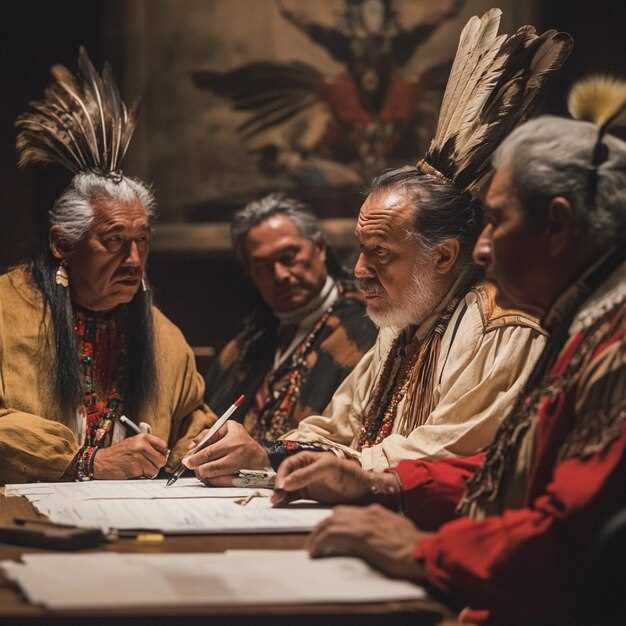
The diplomatic journey of the 1725 Native American allies at the Court of Louis XV introduced a remarkable array of leaders representing various tribes. This collection of individuals showcased the diverse cultural heritage and strategic alliances that were forming during this period. Among the prominent figures, the young representatives from the Otoe and Missouria tribes played pivotal roles in negotiating their interests and establishing a lasting alliance with the French crown.
One of the first leaders often highlighted is Chief Nuñez-Regueiro, whose vision and diplomatic prowess guided many of the early steps in the alliance. His efforts in fostering relationships with French officials exemplified an enduring commitment to mutual cooperation. During the encounters at the court, he effectively presented the needs and desires of his people while navigating the complex dynamics of European politics.
Additionally, there were key figures from Louisiana who added depth to the delegation. These high-ranking representatives brought valuable insights into the intricacies of tribal diplomacy. Their presence reinforced the notion that the Native American tribes were not merely subjects but were active participants in the political landscape of the time. This shift in perception created a new pathway for future diplomatic ventures.
Throughout the spring of 1725, the delegation demonstrated remarkable resilience. They left a lasting impact by showcasing rare objects, including feathered headdresses and traditional attire, which captivated the French courts. These cultural artifacts not only served as symbols of their heritage but also acted as tangible representations of their identities. Each item told a story, bridging the gap between two worlds.
The mission carried out by these leaders was not without its challenges. Issues often arose concerning the representation of interests and the interpretation of alliances. Nevertheless, the delegation adapted to these hurdles, alternating between showcasing cultural pride and addressing the pressing concerns of their tribes. Their ability to maneuver through these complexities highlighted their diplomatic skills.
As this unique gathering continued, it became clear that the alliance was more than a simple agreement; it was the foundation for ongoing dialogue between nations. The interactions at the court introduced new concepts of governance and kinship, further enriching the political tapestry of the time. They navigated the collaborative space, forging connections that would reverberate through history.
In summary, the key figures in the 1725 delegation collectively represented not just their tribes, but the shared aspirations of indigenous peoples in a rapidly changing world. Their journey emphasized the importance of cultural understanding and strategic alliances, showcasing the roles they played as ambassadors of their communities. As this history unfolds, it reveals how these early steps in diplomacy paved the way for future encounters and relationships.