


 Azərbaycan dili
  English (UK)
  Русский
  বাংলা
বাংলা  العربية
  日本語
日本語  한국어
한국어  Magyar
  Norsk nynorsk
  Türkçe
  עִבְרִית
  Español
  Čeština
  Svenska
  Português
  Ελληνικά
  Suomi
Suomi  Nederlands
  Română
  Italiano
  Français
  Polski
  Українська
  Deutsch
  简体中文
简体中文  Slovenčina
  Српски језик
  اردو
اردو  O‘zbekcha
  አማርኛ
አማርኛ 

Rashid Johnson’s exhibition at the Guggenheim Museum serves as a compelling exploration of themes that engage family, identity, and the dynamic relationship between art and commodification. Through a rich tapestry of materials and mediums, including spray-painted words and enamel, Johnson takes viewers on a journey that synthesizes poetry and visual art. Each piece acts as an instrument, inviting deep reflection on the meaning of contemporary existence and the structures that shape our lives.
As one moves through the space, it becomes clear that Johnson’s work is not merely about aesthetics; it is a profound statement on the literary aspects of his practice. With works like “Untitled” and poignant phrases woven throughout his creations, viewers grapple with the deeper questions central to human experience. The volume of emotion captured in each piece resonates with those who approach it, making it worth the while to engage with the profound insights that Johnson offers. The dialogue he opens is instrumental in understanding the complexities of our time.
Furthermore, Johnson’s work reflects a deep commitment to shedding light on the narratives that often lie hidden beneath the surface. His exploration of the themes of identity and race invites viewers to consider the motion of personal history, asking them to engage with the signs and symbols of their own experiences. By placing his work in the context of a museum, he challenges the traditional notions of space and authority, which prompts a reflective journey back into the viewer’s own life. Rashid Johnson, whose artistry shines a light on the intricacies of human emotion, reminds us that art is indeed a powerful vehicle for questioning, understanding, and ultimately, growth.
Understanding Rashid Johnson’s Artistic Philosophy
Rashid Johnson’s artistic philosophy is a profound exploration of African American identity and expression, seamlessly intertwining the personal and the social. His works often embody the notion of interconnectedness, reflecting the complexities of blackness through a variety of mediums including painting, sculpture, and installation art. Johnson creates environments that resonate with viewers, prompting them to engage deeply with the themes of history, race, and culture.
One of the hallmarks of Johnson’s philosophy is his use of materials that echo his heritage. Many of his artworks integrate elements like tile, which serves as a metaphor for construction and reconstruction of identity. Through these materials, Johnson not only makes aesthetic decisions but also reinforces a narrative that speaks to the essence of Africaness and the ongoing dialogue surrounding it.
In his installations, such as “Thelma,” Johnson often incorporates multimedia–films and texts that deepen the interpretative experience. These pieces immerse viewers in a sensory exploration, inviting them to navigate through the chaos of contemporary life while drawing connections to historical contexts. The installation format reflects the complexity of the world we inhabit, where freedom and constraint coexist.
- Artworks like “Odita” challenge perceptions of blackness.
- Johnson offers a critical introduction to the experiences of African Americans.
- His use of symbols acts as a guide through artistic motion and identity.
Johnson’s relationship with the Guggenheim Museum can be viewed as a synergy of thought and action, where both the museum and his pieces serve as platforms for exploration. The exhibition space provides an opportunity for dialogue, creating an environment where art becomes a poem that speaks to the viewer’s mind. His philosophical approach invites critical responses and reflections, urging audiences to think deeply about their own identities.
Moreover, Johnson’s artworks are laden with signs and symbols that articulate themes of familial and communal belonging. His approach is mindful, engaging with the nuances of history while capturing the essence of societal changes over the years. This intentionality aligns with the ongoing discussions about race and the importance of understanding one’s place within larger narratives.
In essence, Johnson creates artworks that invite contemplation, establishing a connection between the viewer and the complexities of identity. His practice is a testament to the power of art as a vehicle for social commentary, capable of transforming perspectives and fostering dialogue. It elevates the seemingly mundane into the realm of the extraordinary, urging us to look back at what has shaped our understanding of self and society.
As the art world continues to evolve, Rashid Johnson remains a pivotal figure, encouraging both artists and viewers to delve deeper into the meaning of their experiences. His works stand not solely as objects of beauty, but as critical dialogues about our collective journey, questioning the narratives we construct and the truths we choose to embrace.
What Influences Shape Johnson’s Work?
Rashid Johnson’s artistic journey is profoundly shaped by the complexities surrounding blackness in contemporary society. His work often reflects a deeply personal narrative, invoking a sense of azadlıq while grappling with themes of identity. This need for self-expression emerges from his experiences as a black man in a world that consistently fluctuates between acceptance and rejection. The embedded emotions within each piece not only tell his story but also echo the broader struggles faced by many.
Influence also stems from the historical context that Johnson finds himself rooted in–one where iconic figures like Amiri Baraka and other thinkers have paved the way for creative exploration. These influences, both direct and indirect, lead to a visceral experience that makes his work resonate. The muzey setting, particularly institutions like the Guggenheim, plays a vital role in showcasing such Başlıqsız pieces, allowing them to exist within a dialogue that spans across time and culture.
Johnson’s unique yaxınlaşmalar are characterized by a freestyle that embodies both rigidity and fluidity. He often juxtaposes structured forms with spontaneous creativity, a reflection of the dualities present in his life. These detallar evolve not only as art but as a poem of motion, a living dialogue that captures the essence of the viewer’s experience, compelling them to engage with bits of their own narrative.
The dialogue between black experience and the dynamics of white interpretation adds another layer to Johnson’s work. This intersection fosters a necessary conversation about the meaning of identity in a world often divided along racial lines. His pieces challenge the orders that have been so rigidly established, pushing against societal norms while advocating for a new understanding of what it means to exist as a black artist today.
Cultural references, including those from hip-hop and other art forms, serve as significant influences on Johnson’s work, revealing the interconnectedness of various art movements. Experiences shaped by the hamam otağı walls of creative environments reflect a deep understanding of communal bonds and shared struggles. This reflection is not merely personal; it stands as a tribute to the collective, an acknowledgment of the lost pieces of history that deserve to be reclaimed.
Ultimately, Johnson’s artistic mastery hinges on his ability to evoke emotions that resonate deeply within his audience. By navigating the spaces between love and loss, freedom and oppression, he crafts a narrative that is both a reflection of his experiences and a mirror for society. His work challenges viewers to consider their own positions within the complex web of land and identity, making each interaction with his art a profoundly personal journey.
How Does His Background Inform His Art?
Rashid Johnson’s artistic practice emerges from a rich tapestry of influences rooted in his African American identity. His blackness is not merely a thematic element; it serves as a foundational pillar that informs his entire creative output. As a thinker navigating the complexities of modern society, Johnson’s works provide a lens through which viewers can examine global issues of race, culture, and identity. His background creates a unique worldview that transcends traditional artistic boundaries.
Growing up in Chicago, Johnson was immersed in a cultural environment that was both diverse and rich in history. This urban backdrop allows him to embed the questions surrounding freedom and social justice directly into his works. The experiences of his youth form a crucial reference point for his exploration of contemporary issues, adding depth and nuance to his artistic expression. His approach reflects a commitment to understanding the layers of meaning that are often overlooked in mainstream narratives.
Johnson’s multidisciplinary practice incorporates various forms, such as installation, video, and sculpture. Each piece is a tile in the intricate mosaic of his identity and experiences. His ability to weave together different mediums reinforces his artistic rigor, demonstrating that creativity is not bound by a singular format. Instead, it acts as a platform for dialogue, where he invites viewers to engage with the themes of globalization and its impact on personal narratives.
His installations often include elements that reference cultural artifacts, elevating everyday objects into the realm of high art. For example, the inclusion of materials like gold not only adds aesthetic value but also serves to question the associations of wealth and worth in American society. In this regard, Johnson’s pieces act as a mirror, reflecting the anxieties and aspirations of contemporary life while urging us to reconsider our relationship with material culture.
In many of his works, Johnson employs phrases and symbols that resonate with historical significance, allowing him to engage with past thinkers and their contributions to cultural discourse. His installations, much like a well-crafted poem, convey messages layered with meaning–ones that challenge viewers to confront their own perceptions. By integrating references to his background, he not only celebrates his heritage but also invites a broader conversation about cultural identity.
A significant aspect of Johnson’s approach is his ability to balance personal narrative with universal themes. He acknowledges the complexities of the “upper” world while simultaneously pulling in elements from everyday life. Viewers are thus positioned in a space that challenges them to reconcile their individual experiences with broader societal constructs. In this sense, Johnson acts as a connector between disparate worlds, urging us to find common ground.
As a result, each exhibit serves as a communal space for reflection. The viewer’s engagement becomes a crucial part of the installation, transforming it from a static viewing experience into an interactive dialogue. This participatory element reflects the essence of Johnson’s practice, where the art is not just something to be observed but a conduit for exploring deeper questions about identity, freedom, and cultural belonging.
In summation, Rashid Johnson’s background shapes his artistic voice and informs the dialogic nature of his work profoundly. His exploration of blackness, cultural hybridity, and social commentary creates a space where art becomes a powerful medium for reflection and transformation. Through this, Johnson not only tells his story but compels us to question and expand our understanding of the world that surrounds us.
What Themes Are Predominant in His Poetry?
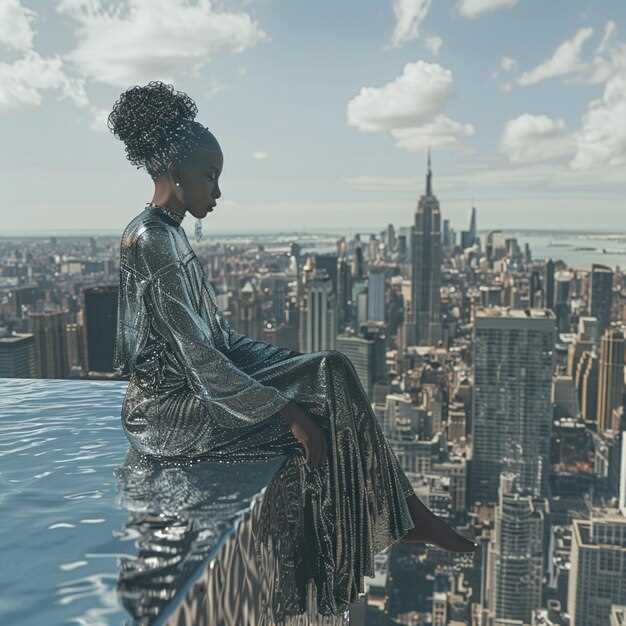
Rashid Johnson’s poetry serves as a powerful exploration of the tension between personal identity and the broader social constructs that shape cultural narratives. Within his work, the theme of Afro-American identity emerges as a central focus, with the poet constantly confronting the complexities of Africanness. This theme is not just a backdrop but becomes a critical lens through which Johnson examines the challenges and triumphs of navigating life as a Chicago-born artist in contemporary America. His explorations invite viewers to engage deeply with the nuances of race, power, and belonging.
The symbolic use of qızıl is another prominent theme in Johnson’s poetry. This element often signifies wealth, worth, and the duality of beauty and desolation within the African American experience. The recurring motifs of gold, alongside cultural references and signifiers, serve to incorporate a layer of richness that transforms simple words into complex stories. For instance, gold’s association with healing and creative expression allows Johnson to connect personal trauma with broader cultural issues, emphasizing the transformative power of art.
Another significant theme is the dialogue between history and contemporary culture. Johnson’s references to iconic figures such as Richard Wright and David McClodden are meant to create a bridge between past and present, enriching the narrative of African American culture. The incorporation of these historical references reflects his rigorous engagement with the art world, particularly evident in pieces displayed at the Guggenheim Museum. It showcases how history can become a potent source of inspiration, revealing the ongoing impact of cultural icons on today’s artistic landscape.
Ultimately, Rashid Johnson’s poetry embodies a creative healing process, where he crafts personal images that resonate with universal themes of struggle and resilience. The interplay of color and texture, much like his spray-painted canvases, mirrors the complexities of American society. Therefore, viewers are invited to reflect on their personal journeys by engaging with his work, uncovering something profound through the lens of shared human experience. In this way, Johnson’s poetry stands as a testament to the power of art as a means of understanding, healing, and confronting the multifaceted realities of human existence.