


 Azərbaycan dili
  English (UK)
  Русский
  বাংলা
বাংলা  العربية
  日本語
日本語  한국어
한국어  Magyar
  Norsk nynorsk
  Türkçe
  עִבְרִית
  Español
  Čeština
  Svenska
  Português
  Ελληνικά
  Suomi
Suomi  Nederlands
  Română
  Italiano
  Français
  Polski
  Українська
  Deutsch
  简体中文
简体中文  Slovenčina
  Српски језик
  اردو
اردو  O‘zbekcha
  አማርኛ
አማርኛ 
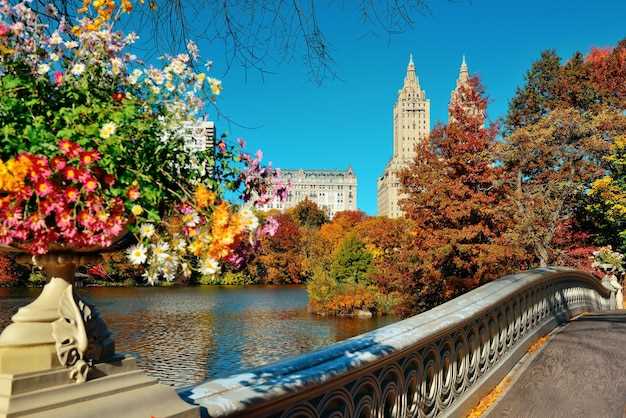
New York City, a vibrant tapestry of cultures and influences, invites you to embark on a remarkable journey through time. As you step onto its storied streets, you’ll find that each corner is a passage to a different era–where powerful stories of explorers and colonels echo in the walls of enduring buildings. This city has been a hub for gatherings since its early days, a powerful capital where families from around the globe came together to shape the fabric of society.
Among the architectural marvels that have withstood the tests of winter storms and urban development lies the Morris-Jumel Mansion. Erected in the 18th century, this estate has been preserved to showcase not only fine craftsmanship but also the tales of those who lived there. Meanwhile, the iconic Fraunces Tavern serves as both a historic inn and a museum, allowing visitors the opportunity to document their own stories against the backdrop of pivotal moments in American history.
From the cyclonic influences of the past to the active preservation of historical sites, NYC’s commitment to maintaining its heritage is evident in its parks, churches, and monuments. The city continues to house multiple attractions that reflect its diverse history–facilities designed to engage and educate the public on the rich narratives formed by its inhabitants over centuries. As you tour these amazing locations, remember that you are walking in the footsteps of those who laid the groundwork for modern society, an exchange of ideas that remains vital to this day.
3 Trinity Church: A Historic Landmark

Trinity Church, located at the intersection of Broadway and Wall Street, stands as a testament to New York City’s rich historical tapestry. Designed in the Gothic Revival style, this magnificent building was constructed in the early 19th century, with the current structure completed in 1846. Its remarkable architecture, adorned with intricate stonework and towering spires, attracts thousands of visitors each year who come to explore its cultural and historical significance.
The church has witnessed pivotal moments in American history, from its role during the Revolutionary War to its function as a gathering place for patriots. Notably, George Washington himself worshipped here before heading to his inauguration. The stone walls of Trinity Church have held countless stories of struggle and triumph, echoing the sentiments of a nation growing from its revolutionary past.
As you walk through its doors, you’ll find not only a place of worship but also a repository of history. The churchyard houses notable statues and gravestones of prominent figures, including Alexander Hamilton. The extant structure and its grounds serve as a serene oasis amidst the bustling city, where people can reflect on the past and honor those who have contributed to the nation’s legacy.
In response to the needs of the community, Trinity Church has actively maintained its role in society, offering various programs and events. These initiatives provide opportunities for education and engagement, drawing in a diverse crowd interested in exploring American history. The church’s commitment to maintaining its historical integrity while adapting to contemporary needs exemplifies its significance in today’s urban landscape.
Trinity Church is also a hub for cultural exchange in New York City. With its proximity to several parks and other historical landmarks, visitors often incorporate a trip to the site into their broader exploration of lower Manhattan. The neighborhood surrounding the church, once filled with tenements, has transformed into a vibrant area that continues to grow, blending the old with the new.
| Atribut | Təfərrüatlar |
|---|---|
| Ünvan | 75 Broadway, New York, NY 10006 |
| Year Established | 1846 |
| Memarlıq Üslubu | Gothic Revival |
| Notable Figures Buried | Alexander Hamilton, John Jay |
| Visitor Estimation | Thousands annually |
Visiting Trinity Church offers something exceptional for history enthusiasts and casual tourists alike. As you explore its sacred spaces and the tranquil churchyard, you’ll gain insight into the struggles and achievements that have defined the American experience. Whether you’re a local or a traveler from Italy, this historic landmark serves as a crucial stop on any itinerary exploring New York City’s past.
Architectural Features of Trinity Church

Trinity Church, located at the intersection of Broadway and Wall Street in Lower Manhattan, serves as an impressive example of Gothic Revival architecture amidst New York City’s bustling streets. The building originally completed in 1846, showcases a design that was remarkably advanced for its time, featuring pointed arches, ribbed vaults, and flying buttresses that are characteristic of the Gothic style. These elements are not only visually stunning but also serve to honor the church’s rich historical significance.
One of the most striking aspects of Trinity Church is its tall steeple that reaches over 280 feet, marked by a weather vane that symbolizes the resilience of its parishioners. The steeple provides a vertical contrast to the surrounding flat skyline, making it a prominent landmark against the backdrop of New York City. This architectural feature not only amplifies the church’s visibility but also metaphorically illustrates the connection between the divine and the earthly.
The use of local brownstone, a unique feature of the church, highlights the structural properties that are deeply rooted in the city’s identity. This stone was favored for its durability and aesthetic appeal, adding to the church’s rich, textured façade. The architectural design incorporates themes of nature and spirituality, intertwining them with its historical context, thereby creating a space that resonates with visitors and worshippers alike.
Inside, Trinity Church retains much of its original charm, with stained glass windows and intricate woodwork that reflect the craftsmanship of the era. The worship space is designed to enhance acoustics, making it suitable for musical gatherings and services. Each corner of the interior tells stories of the church’s past, where major political figures and common citizens united during moments of great importance, proving its role as a central hub of community life.
As you walk through the cobblestone paths surrounding the church, you’ll encounter several memorials, including those dedicated to historical figures like Colonel John Fraunces, who played a crucial role in American history. The well-preserved grounds serve as a peaceful retreat in the midst of the city’s hectic pace. The combination of architecture and historical context makes Trinity Church a must-visit site for those looking to explore the narratives that shaped New York City.
In conclusion, Trinity Church is more than just a religious building; it symbolizes a convergence of architectural excellence and historical depth. With its impressive design features and rich backstory, any visit to New York would be incomplete without stopping by this significant property. Whether you’re drawn here for its architectural beauty or its historical importance, Trinity Church remains a vital piece of New York City’s tapestry, inviting all to reflect on the past while also looking towards the future.
Significant Events in Trinity Church’s History
Trinity Church, a historic landmark in New York, has been a witness to some of the most significant events in American history. Erected in the early 18th century, it has occupied a crucial position at the intersection of commerce and faith. During the Revolutionary War, the church served as a meeting point for members of the Continental Congress and a sanctuary for local communities. Many of the powerful stories of freedom and rights are tied to its walls, where locals would gather to discuss ideals that would shape the emerging nation.
One notable event in the church’s history occurred in August 1789, when President George Washington attended a service there, marking a moment of national unity and collective identity. This gathering symbolized the federal government’s recognition of religious institutions’ role in society. As he looked around, the congregation included many veterans and influential figures who had helped shape the country’s future. Through this event, Trinity Church was designated a spiritual home for the emerging principles of democracy and civil rights that would grow and evolve over the years.
- In the 19th century, Trinity became a center for philanthropic organizations aimed at improving lives along the banks of the Hudson and East Rivers.
- A powerful story is tied to the church’s leadership during the 9/11 attacks, where it provided aid and assistance to first responders, illustrating its ongoing role as a beacon of hope.
- The church continues to share its rich history through elaborate tours and an extensive archive of documents, allowing travelers and history enthusiasts to look beyond its walls and understand its impact on New York City and beyond.