


 Azərbaycan dili
  English (UK)
  Русский
  বাংলা
বাংলা  العربية
  日本語
日本語  한국어
한국어  Magyar
  Norsk nynorsk
  Türkçe
  עִבְרִית
  Español
  Čeština
  Svenska
  Português
  Ελληνικά
  Suomi
Suomi  Nederlands
  Română
  Italiano
  Français
  Polski
  Українська
  Deutsch
  简体中文
简体中文  Slovenčina
  Српски језик
  اردو
اردو  O‘zbekcha
  አማርኛ
አማርኛ 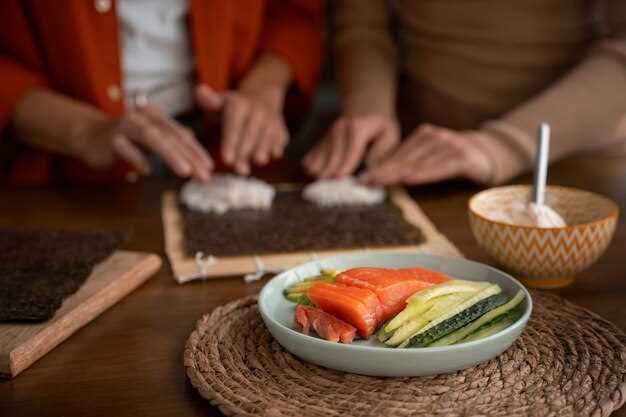 Yaponiyada Əsas 8 Qida Təcrübəsi – Mütləq Dadılmalı Kulinariya Bələdçisi">
Start with guided tasting tours in Osaka to sample street bites and hot pots, and let locals reveal their favorite stalls and hidden gems. However, if you only have one city window, begin with Dotonbori’s takoyaki and work outward.
These experiences feel experiential, with cooks and sellers sharing hazırlanması secrets and the stories behind each bite, while you lightly pace yourself and learn what to find and what to skip. They guide you to the best stands for the next bite.
In hiroshima, try Hiroshima-style okonomiyaki, layered with cabbage and noodles, and then seek a daifuku shop where the plain mochi shell yields a delicate sweetness–locals consider it a reliable finish to a savory tasting run.
Skip the loud advertisement boards and chase the real flavor by following narrow lanes behind major stations, where you’ll find family-run stalls tucked away from main streets, and where a tövsiyə olunur tasting awaits.
To help you plan, this guide will introduce eight curated experiences across Tokyo, Osaka, Kyoto, hiroshima, and other hubs, placed for easy transit with practical tips and well-timed tasting sessions that celebrate regional character dadmaq.
8 Must-Try Food Experiences in Japan: A Culinary Guide; – 7 Yakiniku
Go for a late-evening yakiniku session at a counter in Ebisu or Shibuya and choose top-shelf wagyu, starting with karubi and harami. Let the grill do the work; 30 to 60 seconds per side keeps the cuts juicy and highlights the belt of marbling around each slice, so you master the timing as you cook.
Season matters. Winter beef delivers deeper umami, while spring batches lean brighter and fresher. If you’re wondering about value, aim for a set of 4–5 cuts that matches your level of fat and your preferred tare or salt; the right combination makes the mouth-watering flavors sing.
Beyond meat, the scene offers contrasts: tofu cubes grilled briefly to absorb sauce, wasabi to spark the palate, and a cap of heat from capsicum. If you crave more texture, chase kushikatsu at a nearby stall or try shabu-shabu at a sister venue to compare the different cuts and cooks.
Time and place: on a 9-day dining run across Tokyo and Osaka, two yakiniku evenings reveal different grill styles and service; seats near the grill fill quickly, so book ahead to secure a preferred level of interaction. This approach lets you see how chefs vary between restaurants and how your own practice level changes with the flame.
Finish with daifuku from a street stall or shop; many shops offer red bean or matcha fillings, a gentle contrast to the meat. Pair with a cup of tea and a stroll to cap off the night.
Selecting authentic cuts and portions at yakiniku joints
Start with a practical pick: order four listed cuts in thicker slices–karubi, rosu, harami, and gyutan–and ask the grill master to sear them on high heat for a fast crust, then move to medium heat to finish. Essentially, the goal is to taste the meat’s natural flavor before any glaze and to pace your picks like a samurai.
- Cut choices and thickness: Stick to listed cuts and request thicker slices for better grill interaction; ones that are known for marbling, such as karubi and rosu, hold salt and sauce well during short rests on the grill.
- Avoid breading: If you see breading on a cut, say no thanks; breading hides the meat’s natural sweetness and makes the bite feel heavier.
- Seasoning and dipping: Place a light sprinkle of salt on the plate and try dipping slices in a raw egg if offered. The addition gives silky texture and height to the flavor; you can also dip into a simple sauce if you prefer.
- Dipping accompaniments: Consider minced garlic or scallions on the plate; such toppings wake the meat without overpowering the natural taste.
- Know your options on the streets in kyotos: In well-known joints lined along the streets of kyotos, staff can guide you toward favorites, such as these ones: a lean cut, a fatty cut, and a flavor-rich offal, so you can compare textures without overfilling the grill.
- Abroad comparison and glaze caution: If you’ve tasted yakiniku abroad, use that as a reference but avoid heavy glaze; kabayaki-style sauces are delicious on eel, not as a default for beef cuts.
- Finish and bite balance: End with a fruit wedge or citrus finish to cleanse the palate; such a simple addition keeps the next bite fresh.
Grilling technique basics: timing, heat, and turning order
Preheat the grill to high (230–260°C / 450–500°F) and oil the grates. Pat dry your protein and vegetables, then place them on direct heat to form a crust in 60–90 seconds. Then move to indirect heat to finish cooking without drying out. For a glossy finish, brush with a light glaze of soy mixed with ume-shu in the last minute, avoiding boiling liquids that steam rather than sear. This approach is the answer to achieving juicy centers and flavorful crust, rather than a dry bite.
Typically, heat management relies on three zones: direct high heat for that instant sear, indirect heat for even cooking, and a resting area to relax the fibers. This setup works well for a dish with meat, fish, and vegetables, including noodles tossed later with a hot pan on the griddle. If you’re exploring an authentic style, keep the grill clean and avoid empty gaps that flare up.
Turning order matters to balance crust and juiciness. For chunks, flip once during a 1–2 minute sear, then move to indirect heat and finish with another turn after 1–2 minutes per side. For small items, rotate every 60–90 seconds to hit the heat evenly. Almost any protein responds to that quick sear, so you can use either chicken, fish, or tofu. When you grill three onions cut into thick round rings, place them with space and rotate the skewers so their surfaces brown on every side. For battered vegetables or fish, turn sooner to keep the batter crisp. If you cook noodles as a side, keep them off direct flame and finish them in a hot skillet after serving, or toss with a light glaze that isn’t boiling hot. They’ll taste epic and pair nicely with nishiki rice or a bright salad for balance, letting you enjoy the aroma as they come off the griddle.
|
Səhnə |
Direct heat / temp |
Time per side |
Turn frequency |
|
Searing |
High 230–260°C |
60–90 seconds |
Turn once |
|
Finishing |
Indirect 170–190°C |
2–4 minutes |
Turn 1–2x |
|
Rest |
Room temp |
2–5 dəqiqə |
– |
Choosing Wagyu vs. other beef: what to look for
If you want the richest, melt-in-your-mouth bite, choose Wagyu; if you want more beefy flavor at a friendlier price, pick well-sourced non-Wagyu.
For an answer you can trust, focus on marbling and named brands, and compare pieces side by side.
Season with salt lightly; season is obligatory for balance, without masking the Wagyu fat.
Use these cues at the counter, in a restaurant, or during tours to pick a serving that matches your dinner goals, from must-see omakase to casual curry nights.
- Marbling and grade: Wagyu in Japan uses a Beef Marbling Score (BMS) from 1 to 12, with A5 near the top. For non-Wagyu, look for even marbling and a firm, bright red color. If the label lists a named brand (Kobe, Matsusaka, Ohmi) or a region known for Wagyu, that’s a solid indicator towards premium quality.
- Named brands and regions: named Wagyu brands often signal strict breeding and handling. Expect richer fat with a delicate aroma. If you see brands like Tajima, Mishima, or Hida, you’re looking at a trusted source towards premium dining.
- Appearance and fat: choose pieces with even, fine intramuscular fat; the fat should be pale ivory rather than yellow, and the meat should be bright red with minimal surface moisture. Avoid empty patches, ragged edges, or overly pale fat.
- Fat quality and aroma: Wagyu fat melts at a lower temp and yields a soft, creamy aroma as it warms. If you can smell a rich dairy note before cooking, that’s a good sign; non-Wagyu fat will feel firmer and the aroma more beef-forward.
- Cut options and portions: for Wagyu, limit serving to 60-90 g per person when tasting or as part of a dinner flight; for non-Wagyu, 120-180 g portions let you taste the full beef character. For a flight, include several thin pieces rather than one thick steak.
- Yemək hazırlama üsulu: Vaqyu isti tavada sürətli, yüksək temperaturda qızardılma ilə parlayır. Yağın incəliyini qorumaq üçün qızartmanın sonunda yüngülcə duzla ədviyyatlayın; islatmaq üçün bir az şoyu istifadə edilə bilər. Qeyri-Vaqyu daha uzun müddət qızartmadan və xüsusilə yağsız tikələrdə, yumşaq bir sonluqdan faydalanır. Əgər Koreya təamlarından ilhamlanmış yeməklər bişirirsinizsə, Vaqyu piyi ədviyyatı gözəl şəkildə daşıyır.
- Alış-veriş və yemək konteksti: Waquyu üzrə ixtisaslaşmış və xüsusi Waquyu menyusu və ya omakase dequstasiyası təklif edən restoranlar axtarın. Mütləq görülməli müqayisə üçün, Waquyu və Waquyu olmayan ət dəstini sınayın və tekstura, ətir və dad sonrası fərqlərə diqqət yetirin. Bazarları gəzən qırmanlar yeməkdən əvvəl ətin kəsimini görmək və tikələri yan-yana müqayisə etmək tələb edə bilərlər.
- Uyğunlaşdırma və içkilər: yüngül ume-şu və ya quru sake yağı örtmədən tamamlayır; zənginliyə qarşı çıxan ağır kokteyllərdən qaçın. Koreya üslubundan ilhamlanmış kontrast istəyirsinizsə, Vaqyuya kimçi və yanında parlaq kari sousu əlavə edin, Vaqyunu əsas diqqətdə saxlayın; sadə duzlu sous ətin şirinliyinə qarşı klassik seçim olaraq qalır.
Sifariş verərkən, konteksti dəqiqləşdirin: axşam yeməyi üçün bir ədəd bifşteks, kiçik dequstasiya dəsti və ya tekstura və dadı müqayisə etmək üçün Vaqyu və Vaqyu olmayan ətlərdən qarışıq. Yeni təcrübə üçün omakaseyə elə yanaşın ki, sanki aşpazların sonunda bir neçə komplementar tikə və damağı təmizləyən umeşu kimi təkliflər etdiyi bir səyahətdəsiniz; bu yanaşma yeməyin balanslı olmasına və damağınızın boş qalmamasına zəmanət verir.
Yakiniku dadını artıran sous uyğunlaşmaları və qarnirlər
Əsas sous kimi süfrədə şoyu tare ilə başlayın və üzərinə çəkin.. Bu tare Yaponiyanın soya ənənəsindən yaranıb və ət xarakterini maskalamadan piyi gücləndirən zəngin umami gətirir. Onlar Kobe mal əti və digər tikələrlə yaxşı uyğunlaşan balanslaşdırılmış profil təqdim edirlər; tökməyə nəzarət edin və lazım gələrsə, süfrədə düzəliş etmək üçün gözləyin.
Şoyu tare-dən əlavə, masada müxtəlif seçimlər təklif edin: zərif bir şirinlik üçün miso tare, parlaqlıq üçün sitrus ponzu və qoz ləzzəti üçün susam-sarımsaq yağı. Dadı dərinləşdirmək üçün qızardılmış susam toxumu və sürtgəcdən keçirilmiş sarımsaq kimi inqrediyentlərdən istifadə edin və susam qarışığına batırılmış göbələk və ya tofu şişləri ilə bitki əsaslı seçim təqdim edin. Karridən fərqli olaraq, bu souslar əsas notları və əti vurğulayır, çox güclü olmur.
Tekstura üçün, doğranmış kələm və kyoto göyərtilərinin yarpaqlarını, əgər varsa çiçək yarpaqlarını əlavə edin. Düz buxarda bişirilmiş düyü ən yaxşı ətin parlamasına imkan verən neytral bir baza rolunu oynayır; bu qarnirlər həm də şirəli bir dişləmə ilə kontrast təşkil edən xırtıldayan tekstura təklif edir. Görünür, bu, bir çox yemək yeyənlər üçün düzgün balansı təmin edir və boşqabın tamamlanmış hiss olunmasına kömək edir.
Bitki əsaslı qidalananlar da doyurucu təcrübədən həzz ala bilərlər: yüngül tare sousu ilə manqal göbələk şişləri və ya manqalda bişmiş tofunun üzərinə miso-küncüt qarışığı səpin, sonra isə üzərinə bir az sitrus sıxın. Bu seçim süfrənin müxtəlif seçimlərinə hörmətlə yanaşaraq ləzzətləri təmiz və parlaq saxlayır.
Kobe mal əti və ya digər əsas tikələri qril edərkən, şoyu tare ilə yüngül başlayın və daha cəsarətli qarışıqlara keçin – bu, ətə dərinlik qazandırarkən onun xarakterini qorumağın yoludur. Əgər qonaq əlavə acılıq istəsə, çox az miqdarda çili yağı yaxşı təsir edir; onu üstələmədən stolun üstündə qatlaya bilərsiniz və qalan sous çeşidləri daha çox mürəkkəblik istəyənlər üçün hazır vəziyyətdə qalır. Uzun müddətli seanslar zamanı 9 günlük qarnir rotasiyası ləzzətləri canlı saxlayır. Bu yanaşma bütün yeyənlərə yeməyi istər sadə, bənzər sousları, istərsə də daha mürəkkəb uyğunluğu seçmələrindən asılı olmayaraq, qəsdən və zövqlü hiss etdirən şəkildə yaşamağa imkan verir.
Yakinikuda yemək etiketi: sifariş vermək, bölüşmək və ödəmək
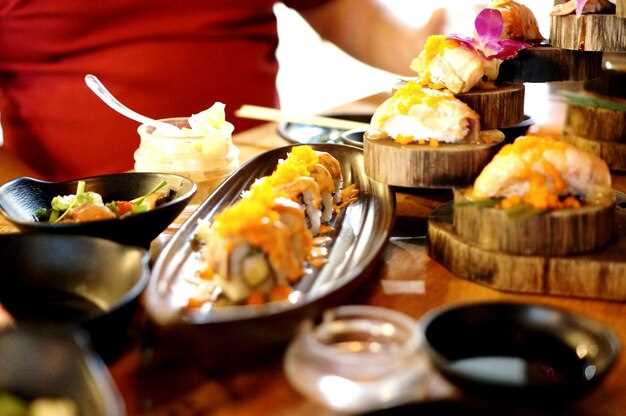
Qrilin sınaqdan keçirmək və sürəti təyin etmək üçün 4 və ya 5 maddə üzrə kiçik, müxtəlif çeşidli bir dəst əşya–6-8 ədəd sifariş edin. Mal ətində qızılı qızartma, donuz ətində turş tare və tərəvəzlərdə sadə ədviyyat axtarın. İstiliyi ölçmək üçün soğan və göbələklərlə başlayın, sonra ətlə davam edin.
Haradan necə başlamaq? Bir çox yapon üslublu yakiniku məkanlarında, masada turlarla sifariş verirsiniz, dostlarınızla seçimlərinizi tənzimləyir və qrilin üstünü doldurmaqdan qaçırsınız. Əgər böyük bir qrup görürsünüzsə, qrilin hamı üçün əlçatan olması üçün kiçik turlar təklif edin.
Xörəkləri bir qaba yığmaq əvəzinə, onları kiçik parçalara bölüb nimçədə paylayın. Maşa istifadə edin, bərabər qızartmaq üçün parçaları ayrı saxlayın və dadı dəyişdirmək üçün doğranmış soğan və susam sousunu əlinizin altında saxlayın.
Ödəniş etiketi: əvvəlcədən hesabı bölüşdürəcəyinizə, yoxsa bir nəfərin ödəyəcəyinə qərar verin. Bir çox yerdə sifariş verən ödənişi həyata keçirir, amma sadə bölüşdürmə təklif edərək hər şeyi ədalətli edə bilərsiniz. Çek gəlməmişdən əvvəl vəziyyəti yoxlamaq xoşagəlməz anların qarşısını alır. Əgər ev sahibi sizsinizsə, stolun başındakı şəxs turları koordinasiya edir və hesabı aydın saxlayır.
Başlamaq üçün məşhur əşyalar arasında mal əti və tərəvəzlərin sadə tikələri var; bir çox yerlər yakiniku üzrə ixtisaslaşıb və ən böyük dad profillərində dominant olan əsas dəsti vurğulayır. Əgər mümkünsə, kabayaki və ya nikuman qızardılmış tikələrə kontrast əlavə edir. Dostlarla yay sessiyası üçün sifarişləri fırladın ki, acı soğanlardan tutmuş zəngin küncüt yağlarına qədər geniş çeşidli zövqləri əhatə etsin və söhbəti rahat saxlayın.
Diqqəti yayınmadan tikələri çevirin ki, həddindən artıq bişməsin və ya çarpaz çirklənmə baş verməsin. Sonda yüngülcə duz və istiot əlavə edin və uyğunlaşdırmada ustaya və ya təcrübəli heyətə etibar edin. Yapon üslubunda qril sakit tempoya və aydın rollara görə mükafatlandırır.