


 Azərbaycan dili
  English (UK)
  Русский
  বাংলা
বাংলা  العربية
  日本語
日本語  한국어
한국어  Magyar
  Norsk nynorsk
  Türkçe
  עִבְרִית
  Español
  Čeština
  Svenska
  Português
  Ελληνικά
  Suomi
Suomi  Nederlands
  Română
  Italiano
  Français
  Polski
  Українська
  Deutsch
  简体中文
简体中文  Slovenčina
  Српски језик
  اردو
اردو  O‘zbekcha
  አማርኛ
አማርኛ  7 Günlük Chugoku Səyahət Proqramı – Turistlərin Əksəriyyətinin Gözündən Qaçan Yaponiya">

Choose this 7-Day Chugoku Itinerary to uncover Japan’s hidden corners most tourists miss. From tokyo, take the Shinkansen to Okayama in approximately 4 hours, then board a local line to the port town of Tomonoura for sunset harbor walks and seafood that echoes local tradition. Stay in a riverfront hotel in Okayama for night one and then switch to a cozy coastal hotel in Tomonoura for night two to feel the sea breeze and the town’s quiet charm.
Day 3–4 mix temple lanes, sea air, and bridges. In Okayama you can visit Korakuen Garden in the morning, then ride to Onomichi, where hillside paths lead to sweeping views and café stops. Choosing this route gives you a fantastic balance of city calm and island breeze. Wear comfortable shoes for zigzag lanes and long stairs; if you prefer a slower pace, take the bus between viewpoints. Onomichi also serves as the start of the Shimanami Kaido, with ferry and short bridge options to Mukaishima and Imabari, offering many moments for photos and quiet reflection along the water.
Day 5–6 shift to Miyajima and Hiroshima, then toward the hiroshimas cluster in Shimane for a different flavor of Japan. A short 10–15 minute ferry takes you to Itsukushima Shrine on Miyajima, where the torii rises from the sea at high tide. From there, a quick rail hop lands you in Hiroshima for the Peace Park, Shukkeien Garden, and a taste of okonomiyaki. The next day, continue to Izumo Taisha in Shimane or Matsue to explore the lakefront and samurai-era streets, then settle into a central hotel that makes rail connections easy.
Day 7 wraps with flexible return options. If you crave one more urban pulse, you can add a quick hop to osaka for a late lunch and a street-food crawl before your departure. This plan is traveler-friendly, introduces a coast-first mood, and keeps transfers under two hours between most stops. To keep momentum, book hotels near stations, and always have a compact bag with a light rain shell and a map of the Shimanami Kaido as a handy reference for choosing your pace and routes.
Chugoku Travel Guide Series
Start with the 7-Day Chugoku Itinerary: The Japan Most Tourists Miss, then expand this series to refine each stop with actionable details, local tips, and exact routes. Travel planning becomes simpler when you mix guided experiences with leisure time to absorb scenery, food, and culture. Use photos from your day to map the best overlooks, then tailor days so you can travel at your own pace without rushing.
-
Day 1 – Okayama + kurakuen and Kurashiki
- Begin in Okayama to visit korakuen, one of Japan’s premier gardens. Located just east of the castle, it shines in late afternoon light and pairs well with river reflections that photograph beautifully.
- Walk the streets of Kurashiki’s Bikan Historical Quarter, where white-walled storehouses line a central canal. The vibe is the venice vibe you’ll hear about, with a western-styled canal path that feels both historic and elegant. The area is built along a calm waterway and offers excellent photo opportunities, especially at dusk.
- Try a guided stroll along the canal to learn the local trades that once flourished here, then sample regional sweets and matcha in lingering leisure time.
-
Day 2 – Onomichi and the Shimanami Kaido
- In Onomichi, climb the hillside streets to viewpoints overlooking the harbor and sea, with temples tucked into the slope and trees lining the paths.
- Choose a guided option to ride part of the Shimanami Kaido, crossing series of islands by bike or bus. Traveling between islands offers stopovers for photos and local lunch spots with seafood specialties.
- Evening return lets you find quiet seaside cafés where the water shifts to steel-blue as boats drift by.
-
Day 3 – Hiroshima + Miyajima
- Visit the Peace Memorial Park and the Atomic Bomb Dome to understand the city’s resilience and modern reimagining–combine this with a stroll along other central streets for lunch options.
- Ferry to Miyajima Island for Itsukushima Shrine’s floating torii gate; capture photos along the water and explore Momijidani Park’s forested paths with maples and cedar trees.
- In the evening, if timing aligns, enjoy fireworks along the riverfront or harbor area to cap the day with a memorable glow.
-
Day 4 – Shimane: Izumo Taisha + Iwami Ginzan
- Head to Izumo Taisha, one of Japan’s oldest shrines, where ceremonial spaces feel intimate and profoundly local.
- Continue to Iwami Ginzan, a UNESCO mine site set in forested hills; the route passes cedar and pine along quiet back roads, ideal for focused photography and a slow-paced explore.
- Relax in a countryside onsen town and sample regional soba, ensuring leisure time to reflect on the day’s finds.
-
Day 5 – Takamatsu, Kagawa: Ritsurin Garden + udon
- In Takamatsu, visit Ritsurin Garden, a vast landscape built around a central pond with meticulously arranged pine trees and teahouses; the scenery is excellent for wide-angle photos.
- Sample Kagawa udon at a local shop, then stroll the waterfront and backstreets to observe everyday life and small galleries tucked between shops.
- Nearby, locate historic districts and riverside paths that showcase the western charm of the Seto Inland Sea region.
-
Day 6 – Tokushima
- Explore Tokushima’s Awa Odori Museum and surrounding streets, where rhythmic culture and local craft stores create a lively leisure atmosphere.
- Visit Naruto to see the famous whirlpools and cruise small channels that reveal the water’s texture up close; you’ll find vantage points that photograph nicely from the port docks.
- Evening dining emphasizes regional flavors, including seafood and soy-based condiments, with casual spots ideal for travelers who prefer a relaxed pace.
-
Day 7 – Return via Okayama or Takamatsu
- Choose a scenic return along Seto Inland Sea routes, stopping at a café with harbor views to reflect on the week’s discoveries and plan your next visit.
- Leave yourself time for last-minute photos, a final shopping sweep for local crafts, and a relaxed train ride back to your origin.
- Tips: keep a compact bag ready for day trips, and favor light layers since coastal mornings can be cool, with warmer afternoons in town centers.
With this Chugoku Travel Guide Series, you’ll lock in practical routes, local-recommendation depth, and opportunities to savor leisure time between must-see sites. Your plan will feel tailor-made, and you’ll leave yourself room to adjust as you travel, capture photos, and savor every small moment along the way.
Day-by-day route: sequence across Okayama, Hiroshima, Shimane, Tottori, and Yamaguchi for optimal festival access
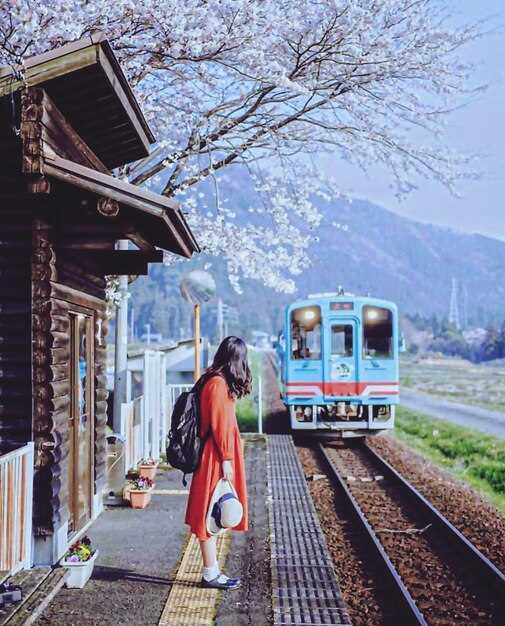
Day 1: Okayama Begin with a guided arrival and head to Korakuen Garden and the historic grounds around Okayama Castle, arriving early to catch sakura blossoms along the pond. The photo opportunities here reveal spring moments, with the gün batımı light over the river turning the streets golden. Walk the ashida riverside for living streets and traditional houses, then rent a bicycle to cover the əsaslar quickly. Budget stays cluster near the station, including 83-star guesthouses for those watching the budget. In the evening, take a short ferry ride to a riverside cafe for more sunset views and to position for tomorrow’s festival access.
Day 2: Hiroshima From Okayama, hop the Shinkansen to Hiroshima and start at the Peace Memorial Park to see tarixi sites and local traditions. Take a ferry to Miyajima for Itsukushima Shrine; the Şəkil of the floating torii at gün batımı is a classic scene that shows how festivals unfold on the islands. Arrive early to avoid queues and catch sakura blossoms near the harbor; guided routes help travelers join vibrant matsuri crowds and sample seasonal treats on a budget.
Day 3: Shimane Travel to Izumo for sacred traditions; Izumo Taisha and the surrounding grounds offer a robust tarixi atmosphere and stories of fighting legends in local lore. A guided walk through Matsue’s old binalar and castle town reveals living history, while riverwalks provide photo moments with sakura buds along the lakes. The Ajiro route to the coast delivers a gün batımı over the Sea of Japan that festival crowds remember, and a taste of regional cuisine to round out the day.
Day 4: Tottori Move to Tottori for dunes at first light; the photo moments against the pale sands and sky are not to be missed. Wander the Uradome coast for rugged cliffs and sea caves, then return to town for fresh seafood and regional snacks. A guided plan helps you align with seasonal festival access in nearby towns and avoid peak crowds. Budget-friendly lodging centers around Tottori City, where yaşayan culture thrives and early mornings set the pace for long, rewarding days.
Day 5: Yamaguchi End in Yamaguchi with a morning visit to Akiyoshi Plateau and its cave network, then head to Iwakuni for Kintaikyo Bridge and the historic castle town vibes. A short ferry crossing across the Kanmon Strait offers fresh perspectives on sea horizons and gün batımı light over the water. Explore local traditions and markets for memorable tastes, and wrap the route by reflecting on these moments and the ways seasons shaped your festival access today and beyond, sharing a final photo with fellow travelers.
Viewing spot selection: evaluate crowd size, accessibility, sightlines, and amenities
Begin at Korakuen in Okayama for the best balance of crowd size, accessibility, sightlines, and amenities. This scenic garden, known for its heritage, offers smooth paths, clear sightlines across the central pond, and multiple resting spots. Choose an afternoon visit to enjoy sakura reflections during hanami and a leisure pace.
Crowd size and attendance: Weekday mornings are noticeably calmer than weekend afternoons, while annual sakura forecasts can push attendance higher near the central bridge. Use official event calendars to time your visit and spread a group across vantage points to avoid bottlenecks.
Accessibility: Korakuen offers wide, paved routes suitable for wheelchairs and strollers; restrooms and shaded seating are located along the main loop; note a few viewpoints require stairs, so bring a plan for an easier alternative.
Sightlines and amenities: Best sightlines run along the pond terrace toward the castle keep, with additional views from the teahouse terrace. The site offers benches, drink kiosks, and staffed information desks that guide guests mapping their route.
Extend your japan experience with a stay in a charming villa or home in nearby regions; for travellers linking japan with kochi, a guided afternoon itinerary offers sakura and heritage highlights in both areas.
Operational tips: plan a flexible schedule, check weather forecasts, and consider an alternative viewing spot if crowds grow. A smart plan lets you rotate between Korakuen and another well-known site to balance attendance and enjoying the scenery.
Timing and transport: align sunset, festival schedule, and rail options for prime seating
Choose a homestay in miyoshi or a villa in hiroshima-shi to keep youre family comfortable and close to rail hubs. Still, plan with local schedules in mind so youll be ready for prime seating and photos that capture blossoms under magical light.
Timing and sunset matter: when you map your days, set the main light window 60 minutes before the official sunset. In spring and early autumn, the grounds along the riverside in japan glow as the sun dips, producing image opportunities you can share with family friends. Be sure to arrive at the station or viewing spot 15–25 minutes before the glow fades so you can settle into a prime seat with a clear view of the action.
Festival schedule matters, too: staying around tokushima lets you catch evening matsuri with dancers and lanterns, while kagawa markets and local events close to Takamatsu shine at dusk. Align your stay with a festival night and you increase the chance of quiet, photogenic moments for your pocket of memories. because these evenings create magical atmospheres, you can plan multiple shoots and switch between views for photos that feel intimate and local.
Rail and transport are the hinge: for hiroshima-shi and nearby grounds, use JR West lines and local connections to reach hillside outlooks and riverside parks. For tokushima and kagawa, rely on JR Shikoku lines and short bus hops to reach scenic spots and family-friendly viewpoints. Reserve seats on Limited Express where possible to guarantee clear sightlines, and choose morning or late-afternoon trains to keep the light favorable on your image. staying flexible with transfers helps you hit prime windows without rushing.
Accommodations close to transit let you switch gear quickly and keep your plan tight: a house or villa with easy access, plus a homestay option in a quiet neighborhood, keeps every day smooth. Youll be able to focus on keeping memories fresh: still moments, little surprises, and the chance to introduce local flavors to your travel photos.
| Yerləşmə | Sunset window (typical) | Festival cue | Rail/seating tip |
|---|---|---|---|
| hiroshima-shi | spring/summer: 18:30–19:30; autumn/winter: 16:50–17:50 | flower/river events; evenings along the Motoyasu riverbanks | JR West lines to Hiroshima Station; reserve seats on Limited Express or Green Car when crowded |
| miyoshi | spring: 18:00–19:00; autumn: 16:45–17:45 | valley-matsuri and local night markets | JR Geibi Line plus short buses; pick reserved seating on rapid services if available |
| tokushima | 17:40–18:50 | Awa Odori mövsümü; axşamlar fənərlər və küçə performansları ilə yadda qalır | JR Shikoku Dosan xətti Tokuşimaya; Takamatsudan səyahət edərkən məhdud ekspreslərdə yer sifariş edin |
| kaqava | 17:50–18:40 | Takamatsuda yerli bazarlar və mövsümi tədbirlər | JR Shikoku Yosan Xətti; adaları birləşdirmək üçün Seto-Ohashi marşrutlarını nəzərdən keçirin; gün batımını seyr etmək üçün yerləri əvvəlcədən rezerv edin. |
Növlər: çaykənarı parklar, qayalıqlar və aydın təhlükəsizlik tədbirləri olan sahilboyu ərazilər
Rahat bir həyat tərzi üçün otel və ya mənzilinizə yaxın çaykənarı parkdan başlayın və sakit mənzərələrdən həzz alın. Bu marşrut aydın işarələnmiş yollara və quraşdırılmış təhlükəsizlik tədbirlərinə əsaslanır, izdihamı idarə oluna bilən və xatirələri asan yadda qalan edir.
Hanami mövsümü və ya mövsümi festivallar çiçəkləndikdə, yerli sakinlərin söhbətlər etdiyi bağlar və məkanlar yaxınlığında gəzə bilərsiniz ki, bu da icma hissi yaradır. Şimane sahil və quru mənzərələrinin qarışığını təklif edir, burada dulusçuluq və ənənəvi texnikalar kimi müasir sənətkarlıq nümunələrini müşahidə edə bilərsiniz. Yerli bazarlar və kiçik studiyalar kimi əlaqəli təcrübələr günü zənginləşdirir. Mənzərələrdən zövq almaq üçün riskli yan yollara ehtiyac yoxdur.
Qayalar ehtiyat tələb edir: küləyə fikir verin və kənarlardan uzaq durun; bəzi hissələr möhkəm məhəccərlərlə inşa edilib ki, təhlükəsiz mənzərələr təqdim etsin və həmişə qadağan olunmuş zonalardan qaçmaq üçün işarələrə əməl edin.
Sahilboyu ərazilərdə qabarma vaxtlarına diqqət edin, yaş daşlardan uzaq durun, izdihama və tədbirlərə hörmət edin. Sahil boyunca təhlükəsiz müşahidə məntəqələri təklif edin və mənzərəni və xatirələri qorumaq üçün zibilləri müəyyən edilmiş qutularda saxlayın.
Planlaşdırma zamanı şəhər rahatlığını təbiətlə birləşdirən, daxili cığırlardan sahil gəzintisinə qədər yerləri nəzərə alın; marşrutunuza yerli mədəniyyəti və onu formalaşdıran insanlar haqqında daha çox məlumat əldə etmək imkanı ilə bağlar, çay döngəsi və qayalıq mənzərəsi daxil ola bilər. Təhlükəsizlik məsələlərinə diqqət yetirmək hər dayanacağı daha sakit və xoş edir.
Sonda tamamlamaq üçün çay və sahilboyu boyunca bir neçə ərazidən keçən yığcam bir dövrə sifariş edin–tempinizi tənzimləyin, işarələnmiş yollarda qalın və gözləntilərinizi real saxlayın; təcrübə gözlədiyinizdən daha çox şəkildə müasir, sakit və yaddaqalan olacaq.
Hotellər, mehmanxanalar və qalmağa yerlər: ən yaxşı baxış zonalarının yaxınlığında yerləşmə yerləri seçin və transferləri planlaşdırın
Kurashikinin Bikan Tarixi Məhəlləsini baza olaraq seçmək sizə kanal mənzərələrini, taxta binaları və sahil boyunca sevimli məkanlara birbaşa çıxışı təmin edir. Siz Korakuen bağına və ikonik Kintaikyo körpüsünə yaxın olacaqsınız. Bu baza sizə bu gün və gələcək illər üçün vaxt qazandırır.
Okayama Stansiyasının yaxınlığında əsas yerlərdə yerləşən yaşayış yerləri region üzrə təyinat yerlərinə dramatik şəkildə asan transferlər təklif edir. Kurashikinin kanalın bitişik küçələri və Bikan Məhəlləsindəki seçimlər sizi nəqliyyata yaxın saxlayarkən əla xarakter təmin edir. Müasir rahatlığı və taxta vurğuları olan otellər axtarın və ya fərqli bir ritm üçün Shinji gölü yaxınlığındakı sakit daxili mehmanxananı seçin. Bu gün yeni əmlak təklifləri müxtəliflik və festival mövcudluğu axtaran səyahətçilər üçün palitranı genişləndirir. Festival günləri əvvəlcədən sifariş tələb edir.
Transferləri minimallaşdırılmış geri dönüşlərlə aydın bir ardıcıllıqla planlaşdırın. Okayamada olduğunuz zaman, 15 dəqiqəlik JR Sanyo Rapid sizi Kurashikiyə aparır və Miyajimaya doğru əlavə bir əlaqə bərə üçün vaxt əlavə edir. Miyajima üçün Miyajimaguchiyə gedin və Itsukushimaya 10–15 dəqiqəlik bərəyə minin. Oradan səyahət, təxminən bir saatlıq qatarla məsafədə yerləşən İvakunidəki ikonik Kintaikyo Körpüsü də daxil olmaqla, növbəti yerə doğru davam edir. Ən yüksək baxış vaxtları səhər erkən və gün batmazdan əvvəl toplanır, ona görə də cədvəlinizi həmin anları tutmağa uyğunlaşdırın. Geri qayıtmamaq üçün günləri qruplaşdırın və spontan tapıntılar üçün yer saxlayın.
Rahatlığı maksimuma çatdırmaq üçün ən yaxşı baxış zonalarının yaxınlığında yerləşən yaşayış yerləri seçin və transferləri özünüz təşkil etmək üçün onların lobbisindən və ya konsyerj xidmətindən istifadə edin. Əgər siz sərbəst sürətlə səyahət etmək istəyirsinizsə, JR xətlərini və yerli bərələri əhatə edən nəqliyyat kartları axtara bilərsiniz, hər günü körpü mənzərələri ilə bəzəyə bilərsiniz. Bu dəyişiklik məkanlar arasında əlaqəli bir qövs yaradır, sizi yerli meyvə bazarlarından və festival tədbirlərindən həzz almağa dəvət edir və yorulmadan ikonik yerləri ziyarət etməyə kömək edir.