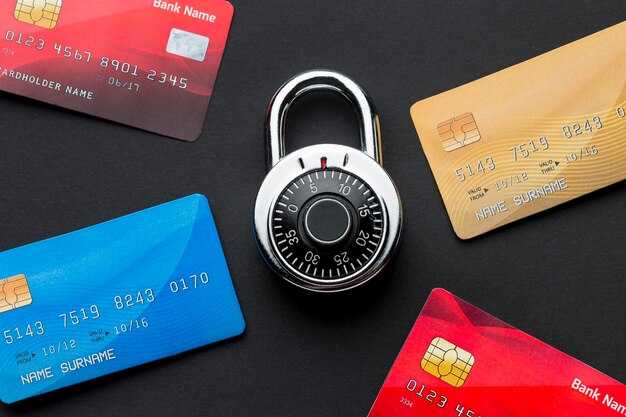

Freeze your credit reports immediately. This single move blocks new account openings in your name and dramatically lowers the risk of fraudulent activity on your cards. You still get to use existing accounts, and you gain critical time to review statements and respond to any suspicious charges.
Enable real-time alerts for every transaction and review statements daily. Set notifications that trigger at small thresholds, for example $25, and customize them by merchant or category so you hear about activity that looks suspicious. These networks will prompt you fast when there is suspicious activity, helping consumers stay in control. that’s why you stay better prepared and act immediately if you spot something misleading, because looking after your money takes less time than a full fraud recovery.
Use virtual cards for online purchases and shield your credentials. Do not save card numbers in browsers, and keep passwords unique with a strong password manager. Enable two-factor authentication and avoid sharing codes. When you shop on public Wi-Fi, switch to a VPN and ensure the site uses HTTPS. Treat networks and devices as your first line of defense, and keep coffee breaks as reminders to verify that you’re on the legitimate site.
Guard your devices and habits. Turn off auto-fill for payment forms, regularly log out after purchases, and review your card activity for signs of unauthorized use. If you see any unfamiliar charges, report them to your issuer within minutes so you can reverse or block transactions quickly. For consumers looking for practical steps, this routine reduces the chance that fraudulent charges slip through and helps you act immediately.
Maximize safe rewards while staying vigilant: choose cards that offer better cashback on your everyday purchases, and track your statements to optimize points without increasing your exposure. Keeping the number of active cards small lowers the cost of fraud and simplifies monitoring. Overall, these habits create a strong defense against fraudulent activity and keep your credentials safer over time.
Seamless Integration: Practical Steps to Prevent Credit Card Fraud
Begin with a unified, real-time risk scoring system that analyzes every transaction across your store, online checkout, and mail-order channels. This added visibility helps you detect anomalies immediately and reduces the risk of a compromised card slipping through.
Link identity data from personal customer profiles with device fingerprints and payment-network signals to validate identity. Validated sources feed back into the risk model and improve reporting, so you can react before fraud escalates.
Leverage machine learning to spot subtler patterns and potential fraud signals. Set automatic blocks for high-risk attempts and route medium-risk cases to a human member for review. This approach reduces false positives and preserves a smooth customer experience.
Adopt 3D Secure, tokenization, and encrypted channels across every point of sale–store terminals, mobile apps, and mail-order forms. These steps secure data in transit and at rest and limit exposure if a breach occurs.
Establish clear reporting workflows with banks, networks, and the government where required. they’re alerted on suspicious activity to help protect the public and preserve trust while you safeguard personal data and public resources.
Define data governance for your organization: map data flows, assign ownership, and enforce least-privilege access across your networks. According to internal risk assessments, a unified approach that ties identity, mail-order checks, and store transactions yields measurable gains in security and user confidence.
Real-Time Transaction Monitoring: Spot and Stop Suspect Charges Instantly
Activate real-time monitoring on every card and membership account. Turn on instant blocks for unusual charges and require rapid verification before settlement. Set alerts that trigger within 60 seconds of any anomaly to reduce potential loss and raise awareness.
It analyzes each incoming transaction using a mix of rule-based checks and machine-learning signals, using data points such as location, merchant category, time, amount, device fingerprint, and prior history with the account to detect anomalies nearly instantly.
Here are the core factors we monitor: identity changes (new device, new location), unusual merchants, high-risk regions, and sudden spend shifts. We employ a layered approach with products that focus on prevention and response. When a charge looks unusual, the system opens an automated response path: freeze the card, require MFA, and notify the customer immediately.
Awareness matters: inform applicants and users about the checks, and provide a simple path to verify charges. The verification might use biometric, PIN, or 2FA, which helps maintain identity integrity and reduces false positives. With timely signals, you keep customers safe while preserving cashback benefits.
Time-to-action is critical: the moment a signal is raised, the workflow lets security teams review or approve automatically. In most cases, we align the response with the cardholder's usual behavior and spend profile to minimize friction for safe activity.
In practice, latency stays under 60 seconds, accuracy exceeds 95% for top fraud vectors, and false positives stay under 2% for regular spend. The quick tag and hold process reduces potential loss significantly within the first 24 hours.
| Setting | Purpose | Suggested Value |
|---|---|---|
| Real-Time Feed Latency | Timing of detection | Under 30 seconds |
| Velocity Checks | Detect bursts across number of transactions | Max 3 events per 5 minutes |
| Automatic Card Hold | Immediate safety action | Enable; auto-hold within 60 seconds of flag |
| Multi-Factor Verification | Identity assurance | Require 2FA for flagged charges |
| Network Security | Data path safety | Require secure wifi or VPN for verification steps |
| Customer Alerts | Awareness and response | Push + SMS within 60 seconds |
For cashback products, real-time monitoring protects earned rewards by preventing fraudulent redemptions and ensuring that genuine spending remains eligible. Lets you tailor rules for each product line, including cashback products. Activate safeguards now: require secure wifi for verification steps and ensure auto-blocks are in place to prevent damage if identity is compromised.
Secure Online Payments: Enable 3D Secure, Strong Passwords, and Browser Privacy
Enable 3D Secure for every card you use for online payments and pair it with a robust password strategy across your devices. This approach adds an extra verification step during checkout, helping prevent unauthorized transactions even if card details leak in other places.
Pair 3D Secure with a robust password routine and browser privacy settings to reduce scams and stolen data. Keep these habits in place:
- Enable 3D Secure (3DS) for all cards: contact your bank or card issuer; ensure the 3DS option is active and verify the checkout prompts before you confirm each transaction.
- Adopt robust passwords: create long passphrases with a mix of words, numbers, and symbols; use a password manager to store and auto-fill them securely; enable two-factor authentication (2FA) where available; never reuse passwords across sites.
- Strengthen browser privacy: turn on auto-delete cookies after close, block third-party trackers, disable autofill on payment fields, and use private or incognito mode for new sessions; update the browser regularly.
- Secure your connections: avoid untrusted wi-fi networks for payments; if you must, use a trusted VPN and ensure the site uses HTTPS; verify the site’s certificate by checking the padlock and the domain; do not enter card data on questionable pages.
- Watch for emails and other signals: scams often mimic official messages; verify sender domains, avoid clicking links in unsolicited emails, and never provide license or photo data via email requests; when in doubt, navigate to the site directly rather than following a link.
- Verify the transaction after checkout: review the merchant name, amount, and the payment method; check for a matching order reference in your emails and the merchant's app; if something looks off, stop and report via the company’s official channel.
- Integrate a trusted password manager with your browser to simplify logins and strengthen 2FA flows, keeping everything synchronized across devices.
- Schedule a monthly review: recheck 3DS status, update vault entries, and adjust privacy settings as technology evolves and new scams appear; this shows commitment to safer payments.
Instant Card Lock and Recovery: Freeze Your Card Quickly and Restore Access
Lock your card immediately in the mobile banking app using the Card Lock feature or by calling your issuer. This reduces fraudulent purchases and stops unauthorized activities until you verify the incident details, which enhances your protection.
Here is a quick, proven sequence to maximize safety: review recent transactions in real time, analyze for anomalies, and set up instant alerts. If you spot fraudulent charges, report them to your issuer immediately; the sooner you flag them, the less exposure you face. Even a short delay can raise risk.
If the card was stolen or the data was compromised, request a replacement card and have the old one blocked. According to your issuer policy, you remain protected from fraudulent charges. Contact the company to ensure the new card is active and any recurring payments are switched to the new number. This step protects purchases and helps you restore access quickly. This is the only quick action you need to take.
Recovery relies on an effective workflow: the bank analyzes patterns with algorithms that detect anomalies and fraudulent activities. Those algorithms reduce risk and help you regain control faster. After replacement, confirm all active digital wallets and merchant accounts; there, update any saved card details to avoid further problems.
Benefits extend to businesses and individuals: improved awareness reduces financial risk, lowers longer-term costs, and supports government regulators in protecting consumer financial health. The solution is simple: keep notifications on, review statements weekly, and report anything unusual immediately. You gain a reliable safety net that lasts longer than a single incident. This yields longer protection.
Fraud Alerts and Quick Responses: Set Notifications for Purchases and Location Changes

Enable real-time alerts for card purchases and location changes now, and test with a small purchase to confirm you receive a notification within minutes. This is a critical first step that helps you recognize anomalies quickly and keep your personal data secure. The industry standard supports these alerts, and most options are nearly free or included at no extra cost, so you can start protecting customers without a large investment.
To set it up, open your bank or card issuer app and navigate to Security or Notifications. Turn on Purchases and Location changes, and pick notification channels you trust–push alerts on your phone, SMS, and emails. For accuracy and to avoid alert fatigue, start with a modest threshold (for example, $25) and adjust as you see fit. Ensure you allow notifications from the bank app so alerts arrive promptly.
When an alert arrives, act within minutes: verify the merchant, amount, time, and location, and compare them against your typical behavior. If something looks suspicious, take immediate action: freeze or lock the card in the app, report the activity to the bank, and review related accounts. The next steps involve filing a dispute if needed and requesting a replacement card if the issue persists.
Use alerts to catch sudden changes in behavior, such as purchases in distant locations or unusual merchant categories. This helps you avoid larger losses and keeps the process simple. The trustdecision workflow speeds up decisions by prompting quick verification, reducing the time a thief can use your card. Review your alerts weekly to refine accuracy and cut down on false positives.
Be vigilant about phishing and scams: alerts never require you to enter codes on third-party sites, and you should never share one-time passcodes via email or social media. If you get a message about fraud on Instagram or any other channel, go directly to the official app or call the bank's number shown on your statement. Do not click links in unsolicited emails; those that take you to fake pages are crafted to collect credentials. This practice helps protect customers and anyone who might be targeted.
Benefits include faster blocking of unauthorized activity, reduced cost from fraud, and smoother recovery with minimal disruption. With real-time alerts you stay in control along the entire process. Banks collect data from millions of transactions, and your quick response improves overall accuracy of fraud decisions, benefiting the industry and your network of accounts. Even if you switch institutions, the core approach remains simple and scalable, and you can adapt it to any card you use.
Keep the alerts enabled across devices and periodically test them with small transactions to ensure the system stays responsive. This simple step takes only a few minutes but yields massive benefits for personal security, customer confidence, and a secure payments experience.
Issuer Protections and Dispute Processes: Understand Rights, Liability, and How to Claim
Start by reporting fraudulent or unauthorized transactions to your issuer immediately to minimize risk and hassle. Your commitment to quick action helps protect paying balances and speeds relief. Some issuers offer enhanced protections for paying balances; have handy the dates, amounts, and any messages from the issuer or the card-issuing company, and keep a copy of the statement showing the disputed line. Gather more details if you can, such as merchant names and the approximate time of each transaction.
To claim protection, use the dispute channel: applying online or by phone, and expect the issuer to conduct an assessment of the claim. You may need to provide receipts, screenshots, or statements to validate the event. If the claim is in your favor, they will issue a provisional credit while the investigation continues, reducing the impact on your cost and minimizing hassle.
Rights and liability: you will typically not owe liability for fraudulent transactions if you report promptly. Read your card agreement and the network rules to understand the next steps and what responsibilities apply between you and the merchant. The final decision depends on the evidence and the issuer’s assessment and may affect refunds, credits, or adjustments.
Documentation and credentials: keep a dedicated file with receipts, monthly statements, and any messages from the issuer. Mind the deadlines and track the timeline; strengthening your claim comes from a clear record of what happened. Protect credentials and use secure channels when sharing information; enable two-factor authentication and update passwords as part of your commitment to security.
Next steps and additional protections: reviewing outcomes remains critical. If you disagree with the result, ask for a review or escalate within the issuer, and consider other ways to pursue recourse through the card network or consumer protection resources. For anyone facing a longer wait, stay informed by checking messages, following up on deadlines, and documenting every interaction. This proactive approach lowers risk, cost, and hassle while keeping your accounts safer.