


 Azərbaycan dili
  English (UK)
  Русский
  বাংলা
বাংলা  العربية
  日本語
日本語  한국어
한국어  Magyar
  Norsk nynorsk
  Türkçe
  עִבְרִית
  Español
  Čeština
  Svenska
  Português
  Ελληνικά
  Suomi
Suomi  Nederlands
  Română
  Italiano
  Français
  Polski
  Українська
  Deutsch
  简体中文
简体中文  Slovenčina
  Српски језик
  اردو
اردو  O‘zbekcha
  አማርኛ
አማርኛ 

Rome, a city steeped in rich cultural heritage, has long been a haven for artists, writers, and intellectuals alike. Since the early centuries of antiquity, the capital of Italy has attracted buffs of all kinds, ranging from those with a passion for classical philosophy to modern art enthusiasts. Visitors to Rome will discover numerous museums devoted to the worlds of art, history, and culture, each offering a unique glimpse into the universe of artistic expression and human creativity.
Among the most iconic is the Capitoline Museums, situated atop the Capitoline Hill, which showcase the impressive collections donated over the years. The museums feature sculptures dating back to ancient times, along with works by notable painters such as Caravaggio and Giorgio Vasari. Another gem is the National Museum of Rome, where the beauty of antiquity is brought to life through exquisite exhibits that have undergone careful restoration.
For those with a keen interest in modern artistry, the MAXXI Museum designed by Zaha Hadid is nothing short of a masterpiece itself. This museum stands as a landmark of contemporary architecture while hosting a dynamic collection that allows visitors to engage with both established and emerging artists. While exploring these wonderful spaces, don’t forget to visit Palazzo Altemps, where the echoes of history and art come together, uncovering stories of eras past and individuals like Bonaparte who have walked the same grounds.
Discover the Keats-Shelley House
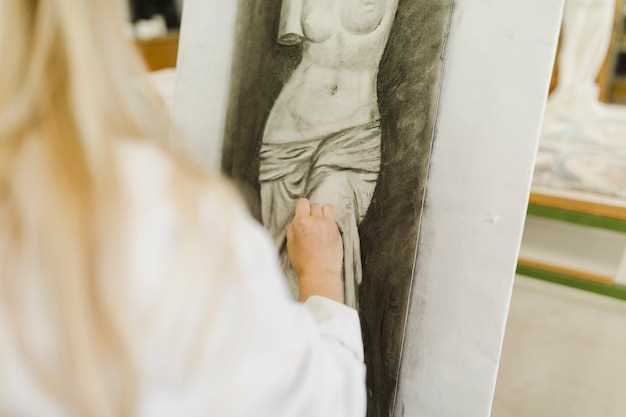
The Keats-Shelley House, nestled at the base of the Spanish Steps in Rome, is a remarkable tribute to two of the world’s most famous poets, John Keats and Percy Bysshe Shelley. This house-museum is devoted to the legacy of these literary giants and offers visitors a glimpse into their lives and works during their time in the Eternal City.
Originally a simple building, the Keats-Shelley House was designed to reflect the early nineteenth-century atmosphere and showcases many original artifacts, including letters, drawings, and personal belongings of the poets. Notably, it contains Keats’ bedroom, where he spent his final days and ultimately succumbed to tuberculosis. Each room serves as a laboratory of literary history, allowing visitors to immerse themselves in the lives of these key figures of the Romantic movement.
As you explore the collections and frescoes within this historic palace, you will also discover the profound influence of Catholicism and the cultural currents of their time, as both Keats and Shelley grappled with spirituality, passion, and the human condition. The house itself, standing in the shadow of the magnificent Colosseum and the thermal baths built by Emperor Diocletian, encapsulates a meeting of history and creative spirit.
Open to visitors for a modest number of hours each day, the Keats-Shelley House provides an intimate experience unlike that of the larger, more crowded museums of Rome. The distance between the chaos of the streets and the tranquility found within allows for reflection and appreciation of the poetic genius that thrived in this very space.
The museum also honors the works of other literary figures, including Venanzio and Pasolini, who found inspiration in the same artistic vein. By showcasing a range of artists, the Keats-Shelley House illustrates the interconnectedness of literature and the broader artistic landscape of the sixteenth to nineteenth centuries.
In addition to its rich literary collections, the museum hosts various events and lectures, fostering a community of intellectual discourse. These gatherings attract scholars and writers from different fields, promoting a vibrant dialogue much like the meetings that took place among the poets themselves in their day.
Visiting the Keats-Shelley House is a chance to step back in time and feel the presence of creative minds that shaped literature’s course. For those interested in both poetry and the historical context of its creation, this site is a must-see on any itinerary through Rome. It stands as a poignant reminder of the power of the written word and its enduring impact on culture.
In summary, the Keats-Shelley House is one of Rome’s leading picks for anyone interested in the arts. With its dedication to two legendary poets, the house offers a unique perspective on the confluence of history, poetry, and intellectual exchange in a city renowned for its artistic heritage.
Historical Significance of the Keats-Shelley House
The Keats-Shelley House, located near the famous Spanish Steps, is a must-visit location for those wanting to delve into the lives of two of England’s most celebrated poets. Inaugurated in the early 20th century, this beautiful palazzo is more than just a museum; it tells the story of John Keats and Percy Bysshe Shelley, who both lived in Rome during a time of artistic flourishing. The house showcases a fantastic collection of artifacts, manuscripts, and letters that highlight their contributions to literature and their connections to other contemporary artists such as Goethe and Pirandello. Its stunning marble details and meticulous restoration allow visitors to immerse themselves in the intellectual climate that Keats and Shelley experienced during their stay in the city.
Within this gallery, you can find not only works related to the poets, but also branches that connect to their inspirations and influences among their generation. The Keats-Shelley House is recognized as a cultural treasure, housing collections that are crucial to understanding the Romantic era’s impact on literature. The library provides resources for research enthusiasts, offering insights into how the poets perceived the thermal ambiance of Rome in contrast to other regions like Rebibbia. A visit here complements your itinerary well if you have already explored the Capitolini and Diocleziano, serving as a fitting addition to your cultural journey through Italy’s rich artistic heritage.
Kolleksiyanın Əsas Məqamları
The museums of Rome host a vast array of historical artifacts and artistic masterpieces that attract people from all over the world. Among the oldest and most visited locations is the Borghese Gallery, home to works from renowned painters such as Caravaggio and Raphael, and boasts magnificent sculptures, including pieces by Gian Lorenzo Bernini. This house-museum offers a fantastic transformation of an old palace into a gallery, allowing visitors to explore the artistic achievements that have defined generations. Nearby, the Palazzo Altemps features stunning collections from antiquity, while the Baths of Caracalla give a glimpse into Rome’s grand historical events and architectural prowess.
Art lovers can also enjoy exhibitions that focus on the works of Giorgio de Chirico, a master of metaphysical painting, and the shared cultural commentary by critics such as Henri Bergson and Hendrik Antoon Lorentz. The English Library at Palazzo Venezia provides resources for those wanting to study the historical context of these artworks. In the atmospheric neighborhood of Navona, visitors will find contemporary installations that bridge the gap between the classical and modern eras, creating a fantastic dialogue about the evolution of art. Don’t miss the chance to wander through Rome’s historic stadiums and theaters, where the vibrant past can be felt in every corner and at every stage.
Visiting Experience and Tips
When visiting Rome’s renowned museums, it’s essential to plan ahead. Many of these magnificent establishments, such as the Capitoline Museums və the Gallery Borghese, often attract large crowds, especially during weekends and public holidays. To enjoy a more tranquil experience, consider visiting during weekdays or early in the morning. You can secure your tickets online, which not only saves time but also guarantees entry to popular exhibitions that often sell out.
The architectural beauty of these museums is a story in itself. For instance, the Pantheon is not only a former church but also a monumental representation of Katolik history and Roman engineering. When exploring such sites, take time to absorb the atmosphere and the rich history carried within the walls. Engaging with the stories told by the artworks and displays allow visitors to connect deeply with each piece’s emotional narrative.
Each museum offers a unique experience that caters to various interests. The MAXXI Museum, dedicated to contemporary art, exposes visitors to the worlds of Futurism and modern thought, while the Vatican Museums reveal treasures that span centuries. Consider attending special events or temporary exhibitions, as these often provide insights from prominent curators and artists, enriching your visit.
While in Rome, do not miss the opportunity to explore the surrounding areas outside the museums. Each location is often situated near breathtaking views or historical landmarks. For example, after visiting the Vatican Museums, a stroll to St. Peter’s Basilica or the hill that overlooks it is a must. The steps leading to Michelangelo’s Dome give a fantastic view of the city and its many splendors.
The experience of visiting these museums goes beyond just viewing art; it’s about immersing yourself in a generation of intellectual thought that has shaped our world. Bring along a guidebook or download informative apps that can help deepen your understanding of the exhibits. Each visit to these cultural gems contributes to the larger narrative of Rome, making your journey not only visual but profoundly educational as well.
Top Art Museums to Explore
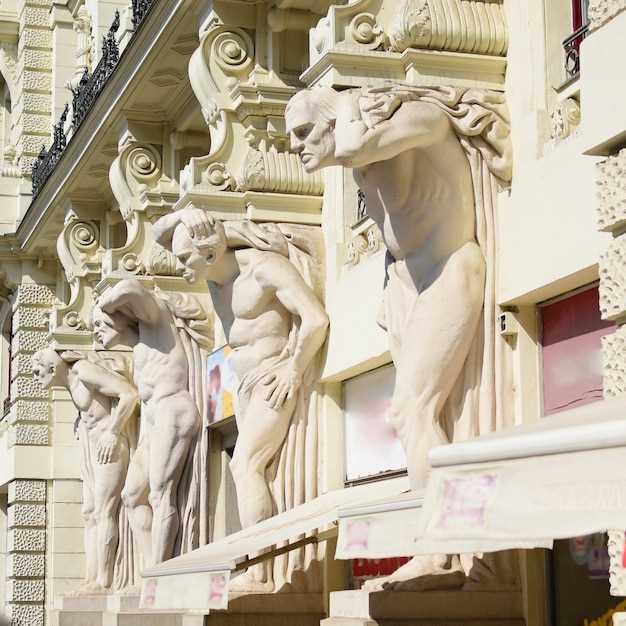
Rome is home to an unparalleled array of art museums, each offering a unique glimpse into the city’s rich cultural heritage. Among the leading institutions, the Capitoline Museums stand out, known for their vast collection of Roman sculptures and ancient artifacts. This museum complex was constructed on the Capitoline Hill, showcasing works that have been donated by various generations of art lovers.
Another noteworthy destination is the Galleria Borghese, a house-museum dedicated to the incredible collection of art donated by the Borghese family. Built in the 17th century, this villa offers visitors an opportunity to admire the works of renowned artists such as Caravaggio and Bernini. The elegant halls are adorned with frescoes and personal furnishings that enrich the experience, making it a vital stop on your Rome itinerary.
The Museo Nazionale Romano, which encompasses four distinct locations, is a treasure trove for history buffs. Among its areas, the Baths of Diocletian exhibit incredible frescoes and sculptures that date back to ancient Rome. Additionally, the Palazzo Massimo alle Terme offers a remarkable chance to view Roman drawings and frescoes, representing the transformation of artistic styles over the centuries.
For those captivated by modern art, the MAXXI Museum, designed by Zaha Hadid, presents a stark contrast to Rome’s classical architecture. This museum focuses on contemporary installations and designs, creating an innovative space that attracts a diverse audience, from artists to writers. It’s an opportunity to witness how the past and present intersect in Italy today.
- The Museo Altemps showcases ancient Roman art and artifacts, highlighting the lives of those who lived in the area.
- Villa Farnesina, a Renaissance palace, is celebrated for its remarkable frescoes created by artists like Raphael.
- Rebibbia, although best known for its prison, offers an intriguing discussion on the relationship between art and social transformation in contemporary society.
Venanzio’s influence on art is evident in various collections throughout the city, many of which have been created upon the behest of leading art patrons. These institutions not only preserve the artworks but also ensure that future generations can appreciate the artistic legacy of Rome.
Visiting these top art museums is not just about seeing art; it’s about experiencing the history, culture, and life of Rome. Consider your personal interests and take the time to explore the incredible diversity that each museum has to offer, allowing you to immerse yourself in the city’s artistic narrative.