


 Azərbaycan dili
  English (UK)
  Русский
  বাংলা
বাংলা  العربية
  日本語
日本語  한국어
한국어  Magyar
  Norsk nynorsk
  Türkçe
  עִבְרִית
  Español
  Čeština
  Svenska
  Português
  Ελληνικά
  Suomi
Suomi  Nederlands
  Română
  Italiano
  Français
  Polski
  Українська
  Deutsch
  简体中文
简体中文  Slovenčina
  Српски језик
  اردو
اردو  O‘zbekcha
  አማርኛ
አማርኛ 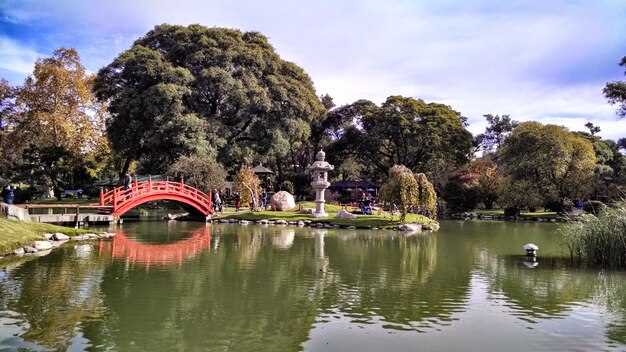 Avropada Səyahət Edilməli 10 Gözəl Bağ – Ən Yaxşı Avropa Bağları">
Visit Kew Gardens in London first for a concise, unforgettable primer on European garden design. This park rewards a walking tour with a magnificent mix of glasshouses, water features, and expansive borders that reveal new color and texture with every season.
Time your visit to catch blooms in spring–theres a large display of bulbs that turns a casual stroll into a sensory experience, while the fragrance of blooms fills the air. In the kitchen garden, you’ll see vegetables tucked beside ornamentals, a rich reminder that garden spaces support both beauty and sustenance, with bloom and the occasional large bloom catching the eye.
In belgium, möhtəşəm parterres near brussels and ghent reveal long avenues that lead to quiet ponds and grassy lawns. Here, you’ll encounter a flower border that bursts with color, while a separate kitchen garden demonstrates how edible beds blend with ornamental borders for a dream of textures and contrasts.
To maximize delight, start at dawn, take a walking loop, and use official maps to plan a route that minimizes backtracking. Visit multiple parks on a single trip by train or light rail, and allocate at least 3 to 4 hours per site to slow down, observe details, and collect notes for your large dream itinerary. Until you reach your next stop, keep an eye out for flowering borders and seasonal bulbs that change with the weather; however, this approach helps you savor details and avoid crowds.
Claude Monet’s Garden, Giverny, France
Plan to arrive at first light to catch tranquil light and shadow along the pathways. This stop makes a perfect addition to any Europe trip. The visit highlights five features that define Monet’s style and create a calm scene of flower and water.
- Lily ponds: Dozens of water lilies float on the surface, their blooms catching the early sun; reflections drift with each breeze, creating a calm mirror on the water.
- An arcen and the bridge: A wooden arcen arches across the pond, its silhouette echoed in the water; follow the stone pathways to view the arc from different angles and enjoy the play of light.
- Clos Normand and color zones: Five color palettes frame manicured borders; roses, irises, and perennials form curved beds that invite slow inspection; mossèn stones line the edges to steady the walk.
- Paths, shade, and mood: The pathways weave through borders with careful shadow; a gentle breeze through the hedges adds motion to every frame you capture.
- Practical tips: Tickets appear on the official website; allocate two to three hours, arrive early in the day, and wear comfortable shoes; for a broader plan, youll find ideas on the same site and in guides that mention prague and italian events alongside garden routes.
alison offers a local perspective: the east bank gives the clearest view of lilies at dawn, and the mirrors on the water accent the soft color shift as clouds drift overhead. This stop is beautiful, and many visitors leave with an unforgettable impression.
Best time to visit for blooms and lighting
Visit mid-April to early May for the richest bloom colors and the most flattering late-afternoon light; the warm glow lasts until sunset, highlighting ornamental borders and architectural features.
Keukenhof, Netherlands peaks from late March to mid-May, with about 7 million bulbs on display and some 800 varieties. The planting forms wide parterres and canal vistas that create dramatic shadows as the sun lowers. For optimal lighting, arrive between 10:00 and 11:00 and stay until about 15:30; by golden hour the colors deepen and the arches frame the beds, adding ornamental depth.
Sanssouci Park in germany offers ornamental flowering shrubs and formal terraces. The best bloom window runs late April to early May. Walk the wide avenues to catch light filtering through the trees and casting long shadow lines across the parterres; theres a Rococo palace backdrop that heightens the scene.
prague, Czech Republic offers rose gardens and the Royal Garden at Prague Castle that bloom from May into June. Plan a late-afternoon walk on the hills and cobbled terraces when the light is gentle; in prague you can find a mix of ornamental planting and architectural frames that suit silhouettes.
In the campo near Rome, the Orto Botanico di Roma and the surrounding campo setting host ornamental planting from late March to May. The field-like zones are framed by shady pergolas, offering cool shade by day and bright light for morning photography; plan a short walk between beds to catch color along different angles.
Gardens set against mountains, such as in the Alps region of Switzerland or Austria, offer bloom windows that shift with altitude; expect peak color from late May in lower valleys and into early June higher up. The contrast between blossoms and the alpine backdrop creates a natural frame for photography, especially in the golden hour when the massif is lit softly.
traveller alison notes that the best light for photos appears during the hour before sunset; her tip is to take two walks: one among flowering beds in the late morning and another at dusk for luminous shadows. If you find a bench near a fountain, you can watch the bloom deepen as the sky shifts toward pink.
Take time to plan a three-garden loop and check blooming reports; these windows lie across the globe, offering a rich mix of gardening features that satisfy a traveller who loves ornamental planting and wide avenues.
Ticket options, hours, and accessibility
Buy timed-entry tickets online for the Generalife and Alhambra complex to guarantee entry, and plan a morning visit to Vigeland Park for free outdoor time. Be sure to check the official pages and have a backup plan in case a slot sells out, as the times can vary beyond peak weeks.
Vigeland (Oslo, Norway): Free admission. Open daily; the grounds are outside and feature well-marked paths and cascading sculptures around large lawns. Turn into Frogner Park from major routes, and parking is nearby. For directions, avoid relying on a single source–use a map app and confirm opening times locally. Visiting is easy on foot, and the path network is stroller-friendly in most areas.
Generalife, Granada (Spain): The Alhambra/Generalife complex uses timed-entry tickets; online purchase is essential in peak season. Prices typically range from €14 to €25, with a combined option for Alhambra and Generalife. Entry slots are limited, so plan at least a few weeks ahead during spring and autumn. The Generalife area features Moorish terraces and cascading fountains; some routes are cobbled and slopes, so accessibility varies. Wheelchairs are available at the entrance and staff can assist. On-site restaurants and refreshment points let you extend your visit beyond the main circuit; visiting groups should budget 3–4 hours.
Sissinghurst Castle Garden (Kent, England): Open during the growing season; hours vary, so check the National Trust site. Non-members pay around £14–£15 for the day; members enter free. Paths are mostly gravel and grassy, with some steps; mobility scooters and wheelchairs can be arranged at the entrance. The whimsical borders provide plenty of inspiration for visiting gardeners, and there is an on-site cafe and a restaurant for breaks. Plan a series of visits to nearby estates to compare design styles and shades.
Germany and beyond: In Germany, major gardens such as Palmengarten in Frankfurt offer day tickets in the low teens of euros; hours are posted on the site and accessibility is generally good with ramps and wide paths, though some glasshouses use stairs. If you travel further south in Germany, you’ll find elegant formal gardens and hillside grounds that are easy to reach by train; check accessibility with staff on arrival. Many gardens here have on-site restaurants or picnic areas to rest between visits.
Visiting tips across these stops: plan ahead with a series of garden days, mix free and paid sites, and use map apps rather than relying on a single source. For a calm pace, visit early in the day or on weekdays to avoid crowds, and balance big-ticket sites like the Generalife with smaller venues such as Sissinghurst or Vigeland’s sculpture collection. This approach lets you be inspired by contrasts between Moorish influence and European courtyard gardens, and to discover lesser-known spots that feel intimate and well cared for.
Getting there: practical routes from Paris and beyond
Start with a direct TGV from Paris to Tours or Orléans, about 1h30–2h, then rent a car to reach Loire gardens perched along the river. This heart of central France rewards a season-forward plan with life-filled days and curated stops; something like a loop that pairs grand châteaux with intimate courtyards. The route will be comfortable for feet and offers flexible day trips along the loire, with former towns lining the way and mossèn-inspired courtyards themselves.
From Paris you can link to Milan, Prague, Ireland and other countries with practical routes that suit different paces. The milan option uses a direct or one-change rail path via Turin, which will take roughly seven to eight hours by train, or you can fly in about 1.5–2 hours for a quicker connection to the Italian design heart. They connect capitals and country towns with efficient schedules, giving you flexibility to add a Nordic detour like vigeland or prague if you wish.
To Ireland, book a direct flight to Dublin; you can combine this with a weekend of hedgerow walks and green spaces that feel like a dream and add extra hours on feet to explore the capital. In the Netherlands, arcen sits near Venlo and is easy to reach by a Paris–Amsterdam high-speed leg, then a regional train to arcen for a day of riverside gardens. The routes form pathways that connect both capitals and quieter towns across countries and will please visitors who crave texture and variety.
For Vigeland Park in Oslo, book a direct flight from Paris to Oslo (OSL) and finish with a short tram ride to Frogner. That leg is efficient and you can pair it with a stop in warnau or nearby towns if you want a Nordic twist; the experience itself feels influential and vibrant, with design language that echoes the iconic gardens in prague. If you prefer a tighter loop, you can combine prague, milan and oslo into a multi-city strand.
| Təyinat yeri | Best route from Paris | Tipik müddət | Qeydlər |
|---|---|---|---|
| Loire Valley Gardens, France | Direct TGV to Tours or Orléans (1h30–2h); rent a car or take local trains to garden sites | 1–2 gün | Seasonal colors; perched châteaux; curated itineraries; loire heart of central France |
| Milan, İtaliya | Rail via Turin (7–8h) or flight (1h30–2h); from Milan, local routes to gardens | 1–2 gün | Influential design scene; both arts and gardens; seamless rail link from Paris |
| Praqa, Çexiya | Flight Paris–Prague (2h) or rail via Munich/Berlin | 1 gün | Yığcam, piyada gəzintilər üçün əlverişli planlar; yaz və payız bağ şəraiti üçün əla. |
| Dublin, İrlandiya | Birbaşa uçuş Paris–Dublin (1 saat 25 dəqiqə – 1 saat 40 dəqiqə) | 0,5–1 gün | Yaşıl landşaftlar; sahil yollarına asan genişləndirmə |
| Arcen, Niderland | Paris–Amsterdam sürətli qatar, sonra isə Arcenə regional qatar | 1 gün | Sakit çay bağları; Aşağı Ölkələrə gedən yolda mükəmməl dayanacaq; cığırlar |
| Vigelənd Parkı, Oslo, Norveç | Birbaşa uçuş Paris–Oslo (2 saat); tramvay ilə Frogner | 1 gün | Skandinaviya dizayn dili; mövsümə görə gün işığı; zərif kontrastlar |
| Warnau, Almaniya | Paris–Köln dəhlizi; regional Warnau-ya | 0,5–1 gün | Sakit yaşıllıqlar və asan bir günlük səyahət hissi |
Mütləq görülməli yerlər: Su Zanbağı Göleti, Normand Qapalı Bağı və Yapon Körpüsü

Əvvəlcə Su Zanbaqları Göletinə baş çəkin, burada işığın suyun üzərində süzüldüyü və söyüdlərin kölgəsinin rəngi dərinləşdirdiyi unudulmaz bir mənzərə var. Yüzlərlə zanbaq çiçəyi səthdə üzür və bu səhnə tərk etdikdən sonra uzun müddət xatırlayacağınız canlı bir rəng şousu yaradır. Yaxınlaşdıqca rəngdəki incə dəyişikliklərə diqqət yetirin və atmosfer Monetin mürəkkəb və fırça ilə yaratdığı əsərlərini xatırladır, əkslər mövsümə uyğun və davamlı təəssürat yaradır.
Clos Normand evdən gölməçəyə gedən cığır boyunca yerləşir, rəngi boğmadan çərçivəyə salan nadir sərhəd bağçasıdır. Normandiyanın fransız irsi çarpayıların və çəpərlərin diqqətli balansını formalaşdırır, yaxınlıqdakı qalalar isə mühitə orta əsr teksturası əlavə edir. Dizaynlar müasir, lakin əbədi, toxuması və rəngi ilə zəngin hiss olunur, yaxınlıqdan keçərkən bunu hiss edə bilərsiniz.
Yapon körpüsündən Klod Normana doğru suyun üzərində ikonik bir mənzərə əldə edirsiniz. Körpü nilufər səhnəsi üçün bir çərçivə yaradır və onun tağı hər bir fotoşəkilə dərinlik qatan yumşaq bir kölgə salır. Motiv Mone'nin rəsmlərini əks etdirir, işıq, su və nilufərin davamlı təəssüratını verir.
Praktiki məsləhətlər: bu üçlüyü araşdırmaq üçün 60-90 dəqiqə planlaşdırın və səyahət marşrutunuz Hollandiyadan keçərsə, Keukenhof səfəri ilə birləşdirin. Nevada və ya digər uzaq yerlərdən səyahət edirsinizsə, izdihamı dəf etmək və ən yaxşı rəngləri tutmaq üçün erkən başlamaq kömək edər. Zanbaq-hovuz dizaynının daha geniş mənası üçün İrlandiyadakı Kylemore və onun sakit gölmələri ilə müqayisə edin - kontrast Avropa bağ ideyalarının zənginliyini və müxtəlifliyini vurğulayır. Bitirdikdə, zanbaq xatirələri sizinlə qalır, dünya səviyyəli bir anın möhtəşəm xatırlatması.
Fotoqrafiya məsləhətləri və sakit səfər üçün izdihamın idarə edilməsi
Açılışdan 30 dəqiqə əvvəl gəlin və sakit kölgələri tutmaq üçün ilk işıqda əraziyə gedin; səssizcə ziyarətinizə başlaya bilmək və izdihamın ətrafında marşrutlar planlaşdırmaq üçün bağın onlayn saatlarını və qapı vaxtlarını yoxlayın.
İşarələnmiş yollarla bir-bir addımlayın; yaxınlıqdakı qrupların keçməsinə icazə vermək üçün daha geniş hissələrdə dayanın; yalnız sıxlıq imkan verdikdə yüngül çəkidə tripod daşıyın; mühafizəçi heyət üzvü sizi daha sakit guşələrə yönləndirə bilər.
Avadanlıq və parametrlər: 24-70mm və ya 70-200mm obyektivlər geniş görünüşləri və detalları əhatə edir; ISO 100-400 təyin edin; diafraqma təxminən f/5.6; sabit obyektlər üçün örtücü 1/125s; kölgəli hissələr üçün ekspozisiyanı mötərizələyin.
Yüngül strategiya: gözəl rəng üçün qızıl saatda çəkiliş edin, sonra ərazidə müəyyən edilmiş teksturalar üçün günorta ortasına keçin; üzləri yumşaq işıqlandırmaq və ya yarpaqları və ləçəklərini vurğulamaq üçün arxa işıqdan istifadə etmək üçün özünüzü yerləşdirin; yaxınlıqdakı kafedən gələn fon musiqisi səhnəni boğmadan sakit əhval-ruhiyyə yaratmağa kömək edə bilər.
Kütlənin qarşısını almaq taktikaları: insanları gizlicə çəkmək üçün uzun fokuslu obyektivdən istifadə edin, əsas çiçəklərin qarşısını almayın; çəkiliş etmək üçün izdihamın kənarına keçin; boş yer gördükdən sonra, keçə biləcəyinizi mühafizəçidən soruşun.
Regionlar üçün mədəni qeyd: Belçikada və ya holland üslubundan ilhamlanmış bağçalarda kanal keçidləri, dəmir işləri və kampo üslublu cığırlar axtarın; işarələrə hörmət edin və su və heykəllərin yaxınlığında səsi aşağı tutun.
Vaxt qrafiki: bağ günündə onlarla dayanacaq planlaşdırın; hər zonaya 15 dəqiqə ayırın, sonra yaxın ərazilərə keçin; marşrutu tamamlayana qədər sadə bir yoxlama siyahısı saxlayın və dərhal tənzimləyin.
Səyahət qəlbi və post-işləmə: hər kadra səyahət qəlbi ilə yanaşın, şəkillərinizin onlayn ehtiyat nüsxəsini çıxarın və yerli çevrəniz və məşqçilərinizlə paylaşmaq üçün tamamilə səliqəli bir qalereya saxlayın; bu yanaşma hər gözəl anı şəxsi və sakit hiss etdirəcək şəkildə ələ keçirməyinizə kömək edəcək.