


 العربية
  English (UK)
  Русский
  বাংলা
বাংলা  日本語
日本語  한국어
한국어  Magyar
  Norsk nynorsk
  Türkçe
  עִבְרִית
  Español
  Čeština
  Svenska
  Português
  Ελληνικά
  Suomi
Suomi  Nederlands
  Română
  Italiano
  Français
  Polski
  Українська
  Deutsch
  简体中文
简体中文  Slovenčina
  Српски језик
  اردو
اردو  Azərbaycan dili
  O‘zbekcha
  አማርኛ
አማርኛ 
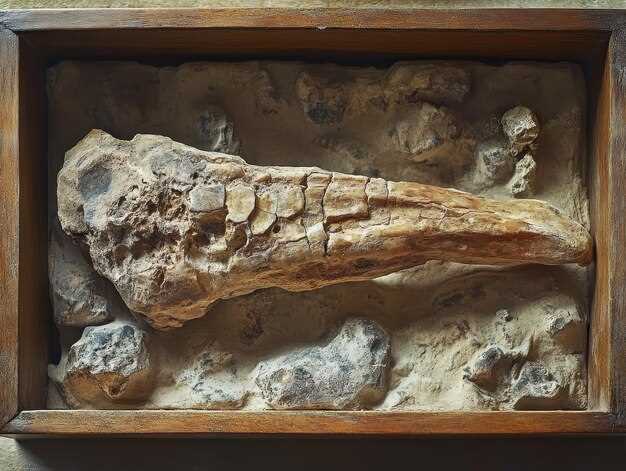
Throughout history, explorers and researchers have ventured into the depths of our planet, uncovering treasures that reveal the relationships between ancient species and their environments. Natural history museums serve as sanctuaries for these specimens, boasting extensive collections of fossils, stones, and artifacts that capture the imagination of both adults and children alike. From the grand halls of Vienna to the bustling exhibit spaces in the United States, these institutions not only showcase the history of life on Earth but also promote a deeper understanding of the principles that connect us all.
In these museums, visitors have the opportunity to engage in hands-on experiences that foster a sense of wonder and curiosity. Quick interactions can lead to a lifetime of thinking and exploration. The exhibitions highlight remarkable discoveries, such as the bones of the Stegodon and the feminine figure from Willendorf, allowing us to ponder the nature of giants and the evolution of life. Furthermore, these museums play a vital role in the community, organizing events and educational programs that require careful planning and thoughtful messaging to ensure their relevance and impact.
Many museums are working tirelessly to adapt their collections and exhibits to address gaps in public knowledge, managing the bulk of their resources to make them accessible to all. This effort is not without challenges, as decisions about what to display or how to present information can sometimes be damaging to the narratives we seek to convey. Nevertheless, the artistic presentation of these natural history museums continues to inspire collectors and casual visitors alike, making them a must-visit on any travel calendar.
Top Natural History Museums You Must Visit
Natural history museums are extraordinary places that house immense collections showcasing the diversity of life on Earth. Among the largest and most renowned institutions, several museums stand out, offering visitors a vibrant array of exhibits. These exhibitions not only entertain but also educate, providing insights into the evolutionary processes that have shaped our planet over millions of years.
The American Museum of Natural History in New York City is one such destination, attracting explorers and enthusiasts alike. Its halls are heavily adorned with fossils, taxidermy, and interactive displays that dissect the secrets of the past. In addition, the museum features an extensive entomology section, presenting the theoretical relationships between species and their environments. Visitors can marvel at the giant dinosaur skeletons, which highlight the museum’s commitment to preserving the ancient lifeforms that once roamed the Earth.
Across the Atlantic, the Natural History Museum in London offers an equally impressive experience. This institution is known for its architectural beauty and vast collections, including over 80 million specimens. Importantly, its exhibitions are carefully curated to maintain a balance between artistic presentation and scientific rigor. The museum’s temperature-controlled galleries ensure that artifacts remain optimal for long-term preservation, allowing future generations to study and appreciate these treasures.
In Paris, the Muséum National d’Histoire Naturelle serves as a vital center for research and public education. Its comparative anatomy gallery showcases internal structures, while the Grande Galerie de l’Évolution provides a stunning backdrop for exploring biodiversity through the ages. Each exhibition invites guests to answer fundamental questions about the origin of species and the intricate relationships that define ecosystems.
For a taste of the southern hemisphere, the South Australian Museum in Adelaide is a must-visit. Known for its extensive Aboriginal cultural collections alongside its natural history exhibits, the museum highlights the importance of integrating cultural narratives with scientific exploration. This approach affords visitors a broader understanding of the land’s history and its inhabitants, requiring a respect for the stories that shape our understanding of natural history.
The Field Museum in Chicago is another highlight on the global map of natural history museums. It boasts an impressive dinosaur exhibit that features Sue, the largest and most complete Tyrannosaurus rex ever discovered. The museum’s exhibitions are designed to ignite a passion for science, inviting guests to uncover the stories hidden within millions of years of evolution.
Lastly, the Canadian Museum of Nature in Ottawa presents an engaging blend of natural history and scientific inquiry. It proudly showcases fossils, minerals, and wildlife, all housed within an artistic setting that amplifies the visitor experience. Special exhibitions often delve into topical events and issues facing our planet today, encouraging dialogue and exploration among attendees.
In summary, the world’s best natural history museums provide unparalleled opportunities for discovery and learning. Whether dissecting the complexities of evolution or showcasing the vast diversity of life, these places are more than just repositories of the past; they serve as inspiring avenues for future generations to explore the natural world.
Exploring the American Museum of Natural History
The American Museum of Natural History (AMNH), located in New York City, is one of the oldest and most revered institutions dedicated to the exploration of the natural world. It presents a profound opportunity for audiences from all walks of life to engage with the diverse histories of our planet. Within its walls, visitors can explore incredibly detailed exhibits that reflect the significant processes that have shaped life on Earth, from the origins of species to the complexities of ecosystems.
One of the museum’s standout features is its extensive collection of skeletons from a wide array of species. These skeletons, ranging from the enormous titanosaur to the most recognizable bird forms, illustrate the incredible diversity of life that has existed throughout history. This layout enables a fluid exploration of life’s various adaptations, inviting guests to ponder the challenges and ethics surrounding both preservation and representation in natural history.
Inside the museum, guests can encounter fluid-preserved specimens that hold significant scientific value. These specimens provide insights into the evolutionary changes that have occurred over billions of years. The AMNH also highlights the makeup of different environments, recognizing not just Western narratives but also incorporating perspectives from regions such as Argentina, which enriches the understanding of biodiversity.
The museum’s dedication to equitable education is evident in its outreach programs, making knowledge accessible to all communities. Digital apps have been developed to facilitate exploration, ensuring that even those unable to visit in person can experience the wonders of natural history. This commitment to accessibility is vital in creating a culture of learning and appreciation for the sciences.
The AMNH doesn’t shy away from difficult topics. It confronts the ethical dilemmas inherent in collecting and displaying specimens, prompting visitors to reflect on their own roles in conservation and respect for nature. By addressing these questions, the museum seeks to make its visitors more informed and engaged citizens of the world, encouraging them to advocate for the planet and its myriad forms of life.
An exploration of the AMNH is a journey through time and space. Guests can witness the transformations that have taken place across both landscape and species, presenting a narrative that is as educational as it is visually stunning. With each exhibit, the museum holds a mirror to our reality, compelling us to acknowledge not only our past but also our responsibility in shaping the future.
Whether admiring the grandeur of dinosaur fossils or examining the minute details of insect specimens, every area of the museum has its own heartbeat. This heart symbolizes the interconnectedness of life and history, reminding us that our origins are intertwined with every living thing on Earth. The AMNH serves as a vital space for reflection and learning, ensuring that the stories we hold are not forgotten.
Exploring the American Museum of Natural History is not just about seeing artifacts; it’s about understanding the narratives they hold, the struggles they represent, and the vibrant community of life they help to illustrate. It is a space where education meets inspiration, providing a trusted resource for all who want to delve deeper into the fascinating world of natural history.
Unveiling Secrets at the Natural History Museum in London
The Natural History Museum in London is a treasure trove of specimens that captivates millions of visitors each year. From dinosaur bones to rare diamonds, the museum provides a breadth of experiences for both citizens and tourists alike. This iconic institution stands as a source of knowledge and inspiration, encouraging discussions on the importance of natural heritage and scientific advancements.
Inside the museum, one can admire an array of exhibits, each meticulously curated to illustrate the diversity of life on Earth. The iconic Hintze Hall features a magnificent blue whale skeleton suspended from the ceiling, serving as a focal point for visitors. This gallery symbolizes the museum’s commitment to showcasing the wonders of nature and the importance of conserving our environment.
Technology plays a crucial role in the museum’s operations, from the advanced sequencing methods used in fieldwork to the simulations that enhance visitor experience. Such innovations ensure that the information presented is not only accurate but also engaging. Curators are always striving to incorporate newer techniques that can grow the public’s understanding of natural sciences.
Maps depicting the geographical distribution of various species are also available, allowing visitors to view the world through the eyes of a scientist. These detailed illustrations guide individuals on a journey through time, revealing how certain species have survived and adapted to changing environments. This aspect of the museum underscores the importance of observational studies in understanding biodiversity.
The museum’s smaller galleries provide a unique opportunity to explore specific types of specimens, each with its own story. One can find everything from preserved insects to ancient fossils, each meticulously displayed to showcase their unique features. This attention to detail ensures that visitors leave with a deeper appreciation for the intricacies of life.
Fieldwork is a significant component of the research conducted at the museum. By venturing into different ecosystems, scientists discover invaluable data that contribute to the museum’s extensive collection. These endeavors not only enrich the existing knowledge base but also facilitate discussions on conservation and the impact of human activity on various species.
The ability to address climate change is more important than ever, and the museum recognizes this urgency. By hosting exhibitions and events centered on environmental issues, it aims to change public perception and inspire action. Such initiatives help draw connections between past, present, and future, illustrating how individual choices can affect the planet’s health.
Ultimately, the Natural History Museum in London is more than just a repository of bones and stones; it is a vibrant institution that fosters a connection to the natural world. Whether someone is an avid historian or a casual visitor, the experience of walking through its galleries can be transformative, providing a deeper understanding of our planet’s exquisite diversity and the importance of its preservation.
Diving into the Wonders of the Field Museum, Chicago
As one of the largest natural history museums in the world, the Field Museum holds a prominent place in the cultural landscape of America. Established in 1893, it hosts an impressive array of exhibits that span centuries and continents, inviting visitors to grasp the complexities of our planet’s history. The museum strives to inform and engage, making each visit a profound experience.
Inside, the Field Museum showcases some of the biggest treasures known to science. Notably, “Sue,” the most complete Tyrannosaurus rex specimen ever found, serves as a centerpiece. This remarkable fossil, alongside other osteology displays, demonstrates the museum’s commitment to advancing the study of paleontology and biological sciences. Visitors can witness firsthand the sheer scale of these ancient creatures, enriching their understanding of evolution.
Guided tours offer a deeper context into the exhibits, allowing someone with a keen interest in natural history to explore things like ecosystems, cultural artifacts, and more. These tours include detailed maps that help navigate through the complex layout, ensuring every visitor can locate the gems within this vast building. Events involving expert speakers often take place, furthering the educational experience.
- Advanced dioramas showcasing various plant and animal life.
- Ongoing exhibitions that include international artifacts, demonstrating global influences.
- Interactive models allowing visitors to engage with zoology in a tangible way.
The Field Museum is more than just a repository of things gone by; it is an active participant in ongoing research. Scientists here publish findings that support conservation efforts across the globe, especially in regions as biodiverse as Argentina. This emphasis on current knowledge highlights the institution’s commitment to redefining natural history in the modern world.
While exploring varied exhibits related to Earth sciences, one can find evidence of climatic shifts and their causes. Understanding these conditions is vital in our quest to protect the planet. The museum’s role in informing the public cannot be overstated, as it constantly seeks to raise awareness and inspire the next generation of scientists and advocates.
In the realm of natural history museums, the Field Museum undoubtedly stands out. It serves as a leading institution, continuously evolving and adapting to the interests of its visitors. Engaging with complex themes such as evolution, biodiversity, and sustainability makes it not only a treasure trove for enthusiasts but also a critical educational resource for all ages.
A visit to the Field Museum is not just about observing relics; it is about experiencing a narrative that spans millions of years. With exhibits that inform and inspire, it holds a unique place in the scholarly and public realms alike, embodying the passion for discovery and learning that all great museums should strive to cultivate.