


 العربية
  English (UK)
  Русский
  বাংলা
বাংলা  日本語
日本語  한국어
한국어  Magyar
  Norsk nynorsk
  Türkçe
  עִבְרִית
  Español
  Čeština
  Svenska
  Português
  Ελληνικά
  Suomi
Suomi  Nederlands
  Română
  Italiano
  Français
  Polski
  Українська
  Deutsch
  简体中文
简体中文  Slovenčina
  Српски језик
  اردو
اردو  Azərbaycan dili
  O‘zbekcha
  አማርኛ
አማርኛ 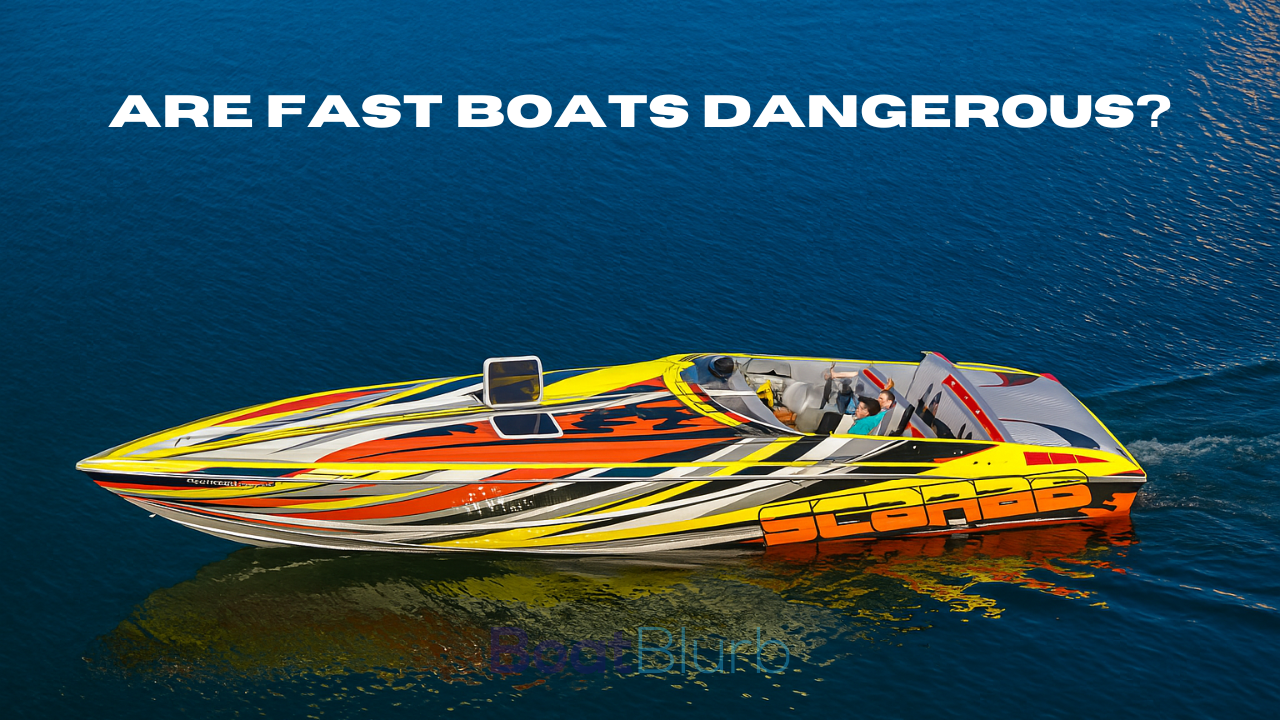 قوارب سريعة، معابر آمنة: إدارة السرعة والمهارة على الماء">

On many coastal and inland waterways, authorities enforce posted speed limits—often between 10–30 knots in congested zones and marina approaches—to reduce wake, protect shore infrastructure and preserve safe traffic flows; exceeding these limits not only risks fines but complicates port operations and emergency response logistics.
Vessel design: what the numbers mean at a glance
Not every hull is engineered for sustained high-speed operation. Structural stresses increase exponentially with speed, and understanding a vessel’s safe operating envelope requires consulting the manufacturer and examining design parameters such as hull type, deadrise angle and load capacity. For those who value speed, purpose-built performance craft are available, but they come with higher maintenance, fuel and safety expectations.
Performance categories and safe speed ranges
| Boat type | Typical construction focus | Recommended maximum (approx.) |
|---|---|---|
| Runabout / Bow rider | Recreation, family use | 25–40 knots |
| Center console | Fishing, offshore stability | 30–50 knots |
| Performance/High‑speed | Reinforced hulls, performance tuning | 50–100+ knots (varies by model) |
| Inflatables / RIBs | Lightweight, variable stability | 20–45 knots |
Two primary causes of incidents: vessel and operator
When incidents occur at speed, analysis typically narrows to two elements: the boat’s capability و driver’s competence. A structurally unsuited craft will transmit dangerous forces to its hull and occupants. Conversely, a well-built boat can become hazardous in the hands of an inexperienced operator. Mitigating risk requires addressing both.
Operator competence: training and progressive learning
Many recreational boaters have not completed formal instruction. A deliberate training pathway—starting with basic handling, navigational rules and collision avoidance, then moving to higher-speed control and emergency recovery—reduces risk and builds confidence. Think of it as incremental skill acquisition: you wouldn’t enter an advanced downhill ski race on your first run.
- Start low, advance slowly: master comfort-zone speeds before attempting faster conditions.
- Practice in benign conditions: calm water, low traffic, known depth profiles.
- Take professional lessons: instructors provide recovery drills and scenario training.
- Understand local regulations: speed zones, no-wake areas, and restricted approaches.
Why water surprises are different from road surprises
Unlike roads, the water surface is in constant flux: chop, wake, tides and variable currents create new hazards every minute. Traffic intersects from multiple vectors, and there are no brakes—only throttle modulation and steering. At higher speeds, the frequency and severity of unexpected events increase, making prior preparation and practiced responses essential.
Practical considerations for travellers and tour operators
For tourists booking fast-boat excursions or thrill rides, operator vetting and clear briefings matter more than price. A responsible provider enforces passenger limits, provides lifejackets, explains emergency procedures and adapts speed to sea state. Tour operators must also coordinate with marinas and local authorities to align with traffic management plans and environmental protections.
When planning a high-speed marine experience, consider these points:
- Ask about the boat’s safe operating speed and whether the craft is maintained to manufacturer guidelines.
- Confirm the qualification of the captain and the availability of safety equipment.
- Pick excursions that match your tolerance for motion and exposure to open water.
Booking smart: secure payments and tailored options
Platforms that combine verified providers with secure online payments and post‑booking vouchers simplify logistics for travellers. They also let you submit tailored requests—such as a calmer route, extra safety briefings, or specific pick‑up points—so that the operator’s offer aligns with your preferences.
Fast boating raises important safety and operational questions, but the best way to assess any provider is to try an experience with appropriate precautions. Even the most thorough reviews can’t substitute for personal time on the water. On GetExperience, you book experiences from verified providers at reasonable prices, make secure payments with voucher confirmation issued afterward, and submit tailored requests so providers can match their offers to your needs. That transparency and convenience help you avoid unnecessary expenses or disappointments—Book now GetExperience.com
ختامًا، يعتمد الإبحار الآمن عالي السرعة على مطابقة القارب المناسب للظروف المناسبة وتنمية الكفاءة الحقيقية من خلال التدريب والممارسة. بالنسبة للمسافرين، يترجم هذا إلى اختيار مشغلين ذوي سمعة طيبة، وتأكيد مواصفات السفن، وفهم القواعد المحلية قبل الذهاب. سواء كنت تبحث عن تجارب سفر مثل حفلات اليخوت أو تأجير اليخوت الحصري للمناسبات، أو أنشطة المغامرة مثل رحلات التجديف المائي للمغامرة للمبتدئين، أو تجارب السفر الفاخرة للمغامرة ورحلات السفاري الصديقة للبيئة التي تشمل أجزاءً من القوارب، فقم بإعطاء الأولوية للمزودين المعتمدين. تكمل الجولات الافتراضية عبر الإنترنت وورش العمل الثقافية التفاعلية عبر الإنترنت والجولات المتحفية مع المرشدين المباشرين التخطيط، بينما تخلق باقات الرحلات البحرية وجولات السفاري والخدمات المهنية مثل جلسات تدريب الرياضات الإلكترونية للمبتدئين أو برامج التدريب الاحترافي للرياضات الإلكترونية - عند تجميعها بعناية - مسارات سفر أكثر اكتمالًا. باختصار: خطط وتدرب واحجز بذكاء لتحويل السرعة إلى جزء لا يُنسى من مغامرتك.