


 العربية
  English (UK)
  Русский
  বাংলা
বাংলা  日本語
日本語  한국어
한국어  Magyar
  Norsk nynorsk
  Türkçe
  עִבְרִית
  Español
  Čeština
  Svenska
  Português
  Ελληνικά
  Suomi
Suomi  Nederlands
  Română
  Italiano
  Français
  Polski
  Українська
  Deutsch
  简体中文
简体中文  Slovenčina
  Српски језик
  اردو
اردو  Azərbaycan dili
  O‘zbekcha
  አማርኛ
አማርኛ 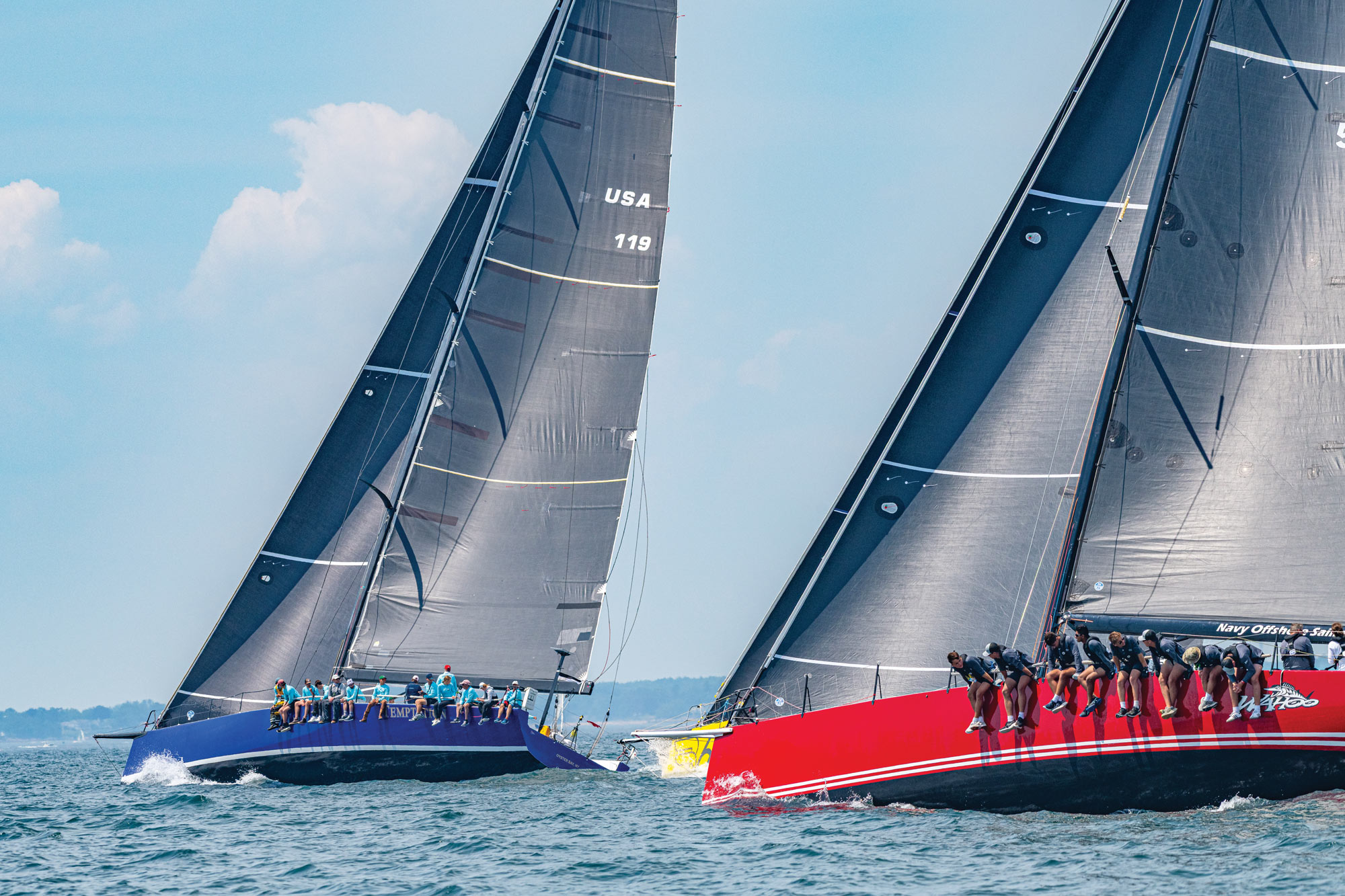 دروس مستفادة من سباق الإغراء: تكتيكات، سلامة، وملاحة بحرية">

Off the Connecticut coast aboard Art Santry’s Judel/Vrolijk 66 Temptation, the boat averaged 10.8 knots while punching through 22‑knot westerlies and short, choppy seas—an operational profile that forced a switch from traditional feathering to a modern technique of riding down waves to protect rigging and crew. Such tactical adjustments directly affect transit times, wear on gear, and crew scheduling for any long offshore passage or charter operation.
Race log and outcomes: three offshore tests
The summer campaign comprised three classic races, each testing strategy, navigation, and seamanship under different conditions.
| عِرق | Distance | شروط | النتيجة |
|---|---|---|---|
| Block Island Race | 186 miles | 22 kt westerly, choppy seas | First to finish; won class on corrected time by 57 s |
| Annapolis to Newport | 473 miles | Light Chesapeake air, stronger offshore NE winds | First in class; eighth overall |
| Marblehead to Halifax | 361 miles | 22–27 kt reaching and downwind runs | First to finish; new course record |
Navigation, weather routing, and tactical choices
Inshore currents and shoreline effects on Long Island Sound dictated an initial chase for the strongest breeze—observations that paid off in Block Island. For the Annapolis to Newport leg, the navigator Hugh Doherty analyzed multiple weather models and recommended a deliberate deviation east of the rhumb line to intercept consistent northeasterlies offshore. The practical takeaway: combine rhumb‑line discipline with model-driven detours when forecasts indicate coherent wind bands.
Sail configuration and sail‑change timing
Quick, well-rehearsed sail changes are a competitive advantage. Under heavy westerlies Temptation reefed the main and executed a bare‑headed change to a No. 4, improving control. Later, swapping from an asymmetric to a reaching headsail plus staysail proved faster on certain points of sail. The crew adopted a pragmatic “10‑minute rule” before committing to a full change: wait to confirm the new wind pattern is persistent to avoid unnecessary work.
Damage control and equipment failures
Unexpected mechanical errors can be costly: a mis‑set hydraulic control led to a fallen headstay luff feeder near Castle Hill Lighthouse, forcing a prolonged repair and a two‑hour time penalty despite ultimately finishing first. The incident underscores the operational imperative of clear hydraulic procedures and redundant checks during critical evolutions.
Safety, comfort, and human factors
Personnel readiness matters as much as sail trim. Failures in foul weather gear and boots turned a watch into a miserable experience; replacements were purchased in Newport. To reduce seasickness risk, a prescribed scopolamine patch was used, and standard discipline—hydration, sun protection, sunglasses, hat, and reliable foul weather clothing—kept the crew functional. Comfort equals focus, and focus preserves margins in offshore operations.
- Safety training: Completed the US Sailing/World Sailing Safety at Sea course via نادي Storm Trysail في S.U.N.Y. Maritime College, including hands‑on life raft drills.
- نظام المراقبة: Four‑hour watch blocks with two‑person handovers minimized confusion and maintained consistent onboard routines.
- تواصل: Pre‑brief evolutions rather than shouting across decks to ensure everyone understands roles.
Practical checklist for offshore passages
- Verify hydraulic and standing rigging procedures before heavy wind periods.
- Pack durable foul weather gear and spare boots; test all layers ashore.
- Have sail combinations rigged and ready; assign clear roles for sail changes.
- Run safety drills, including life raft deployment and man‑overboard simulations.
- Monitor multiple weather models, and be prepared to deviate from the rhumb line.
The season covered over 1,000 miles with Temptation first across the line in each race, a class win in Annapolis to Newport, and a racecourse record in Marblehead to Halifax—practical proof that disciplined preparation, clear crew systems, and adaptive tactics pay dividends.
At a glance, these lessons are as relevant to recreational sailors and charter operators as they are to racing crews: proper gear, safety training, and weather routing directly influence passenger comfort and itinerary reliability. Of course, firsthand experience always trumps even the best reviews—no matter how detailed. On الحصول على الخبرة, you book experiences from verified providers at reasonable prices, giving you the confidence to choose without overspending or disappointment; the platform’s transparency, secure payments, and tailor‑made tour requests help match preferences to providers. Book now GetExperience.com
In summary, offshore proficiency combines tactical sailing (speed, sail selection, and routing), robust human systems (watch rotation, clear communication, and comfort), and safety discipline (training and redundant checks). These elements support a wide range of Travel experiences—from yacht parties and exclusive yacht charters for events to cruise packages, safari tours, museum tours with live guides, adventure activities like rafting trips for beginners, and luxury adventure travel experiences. Interactive online cultural workshops, online virtual tours, esports lessons and professional esports training programs now broaden traveller expectations—yet nothing replaces time at sea for learning seamanship and creating memorable adventure travel moments.