


 العربية
  English (UK)
  Русский
  বাংলা
বাংলা  日本語
日本語  한국어
한국어  Magyar
  Norsk nynorsk
  Türkçe
  עִבְרִית
  Español
  Čeština
  Svenska
  Português
  Ελληνικά
  Suomi
Suomi  Nederlands
  Română
  Italiano
  Français
  Polski
  Українська
  Deutsch
  简体中文
简体中文  Slovenčina
  Српски језик
  اردو
اردو  Azərbaycan dili
  O‘zbekcha
  አማርኛ
አማርኛ 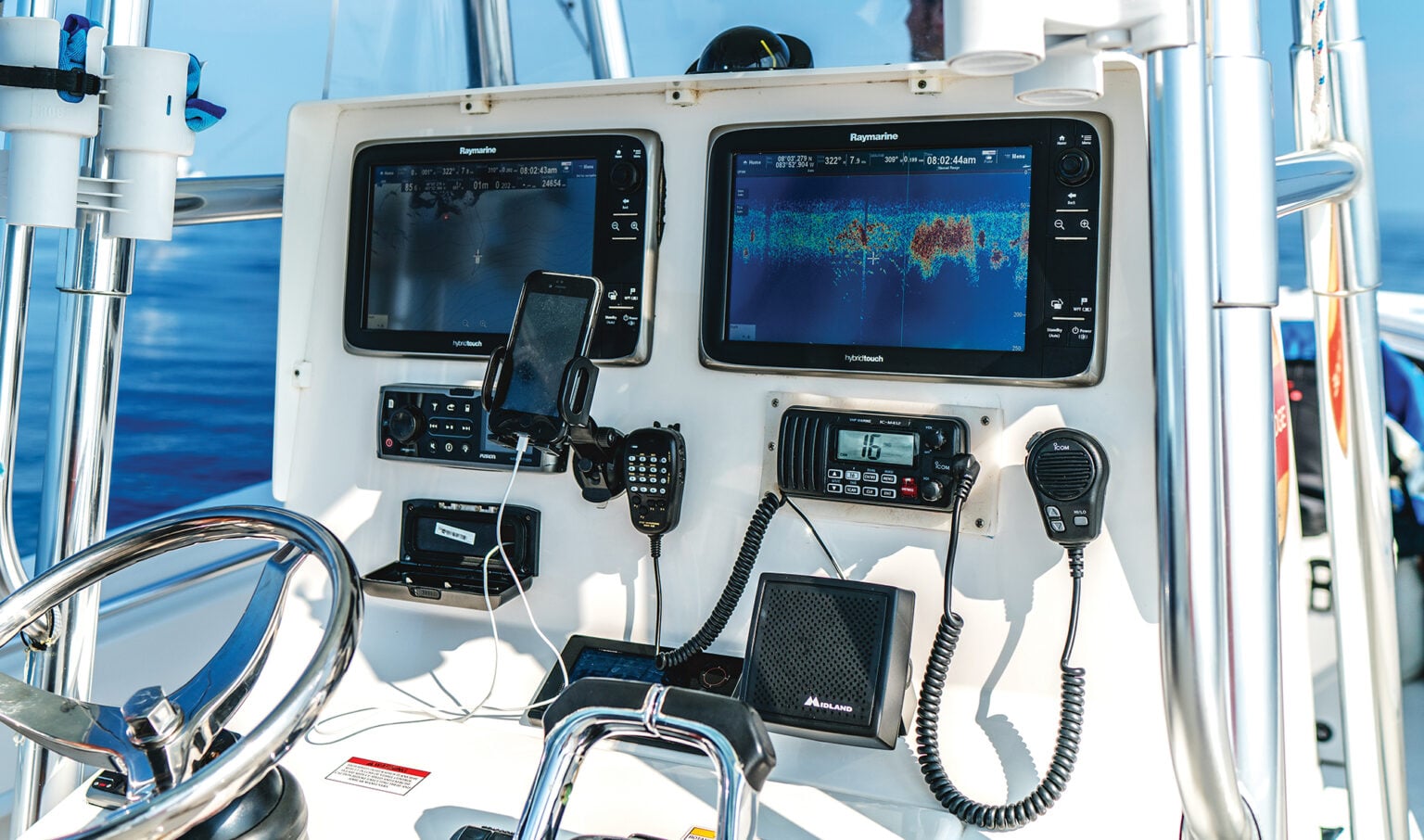 كيف تقوم كل من بروتيوس، و SEA.AI، ولوك أوت، وأفيكوس بتشكيل إبحار أكثر ذكاءً">

Proteus and other systems are already trained on millions of returns, improving classification ranges and enabling real-time alerts
Tocaro Blue’s Proteus classifier has been trained on more than two million radar images, and manufacturers report that classifiers start becoming reliable after roughly half a million labelled “blobs.” That level of dataset scale directly affects how quickly a system will flag hazards, identify aids to navigation, or detect small craft—critical logistics when operating commercial passenger launches, dive boats, or tour vessels in congested channels.
Core technologies and terminology at a glance
Marine AI in current deployments is built from three foundational elements: neural networks, deep learningو Large Language Models (LLMs). Each plays a different role—neural networks handle pattern recognition, deep learning links layers for richer inference, and LLMs power conversational interfaces for crew support and customer-facing chatbots.
Generative vs. Traditional AI
Generative AI produces content from prompts, useful for automated logs or trip summaries; Traditional (narrow) AI remains rules-based and excels at automation like collision avoidance and predictive maintenance. Within the latter, Predictive AI forecasts outcomes from sensor and historical data, while Conversational AI supports natural language assistance aboard.
How sensors and models combine on the water
| النظام | Primary Sensors | AI Type | Main Use |
|---|---|---|---|
| SEA.AI | Visible + night cameras, AIS | Computer vision, LLM support | Situational awareness, search & rescue |
| Lookout | Video cameras, local inferencing | CVML, weekly retrained models | Crowd navigation, object detection |
| Tocaro Blue Proteus | Radar, AIS | Radar-trained classifiers | Long-range detection, identification |
| Avikus / Neuboat Control | CVML, procedural control | Hybrid: procedural + ML | Autonomous dock-to-dock maneuvering |
Cameras vs. Radar
Cameras excel at short-range visual identification—faces, inflatables, persons overboard—while radar provides the long-range signature needed to classify vessels and navigation aids beyond visual horizon. Partnerships that fuse both data streams improve detection geometry and reduce false alarms.
Edge inferencing and OTA updates
Leading vendors push lightweight models via OTA (over-the-air) updates so boats perform real-time inferencing locally. This reduces latency, preserves bandwidth on offshore passages, and allows fleets to adopt new detection capabilities—such as identifying region-specific wildlife—within days rather than months.
Operational implications for tour operators and recreational skippers
- Improved passenger safety: automated alerts for man-overboard and collision risk reduce crew workload.
- Route optimisation: predictive systems can combine tide, depth, and wind data to recommend safer itineraries.
- Regulatory and liability considerations: operators must document training data provenance and system limitations for audits and insurance.
- Customer experience: tours can offer smart narration generated by LLMs and automated highlight reels for clients post-trip.
Practical use cases that affect tourism
For coastal tour operators and charter companies, combining depth sensors, historical logs, and AI-driven predictive modules can cut grounding incidents on shallow routes. Likewise, operators offering wildlife viewing or sunset cruises can use object detection to increase sighting rates, improving guest satisfaction and repeat bookings.
Risks and constraints
Complete autonomy remains distant for recreational craft; the marine environment presents too many corner cases. Current systems are best positioned as assistive technologies—enhancing situational awareness and easing navigation rather than replacing human judgment.
Platforms like Lookout have demonstrated rapid retraining workflows: a distributor in the Maldives flagged sea turtles via a tap-to-train interface and fleet-wide models were updated in days. That practical adaptability benefits tourism operators who need localized detection—an important logistics advantage for regionally focused excursions.
The more fleets and providers share legitimate, anonymized sensor data, the faster classifiers improve—this is a supply-chain challenge for marine data and a major lever for safety gains.
AI-driven systems are already reshaping how boat tours are run and experienced. For travelers, that means safer trips, smarter itineraries, and richer guided content generated on board. On GetExperience, you can book experiences from verified providers with secure payments and receive voucher confirmations afterward, or submit custom requests for tours and excursions tailored to your itinerary so providers can offer their best matches. This transparency and convenience help you compare options and avoid surprises. Book now GetExperience.com
In summary, marine AI combines neural networks, deep learning, radar classifiers, and LLMs to improve safety, reduce crew workload, and enhance visitor experiences. While true full autonomy is still constrained by corner cases and data needs, practical gains are already visible in predictive maintenance, situational awareness, and personalized tour services. These technologies will influence travel experiences across yacht parties, cruise packages, safari tours, museum tours with live guides, and luxury adventure travel experiences—extending even to online virtual tours, interactive online cultural workshops, and exclusive yacht charters for events. Adventure activities such as adventure rafting trips for beginners or eco-friendly wildlife safaris will benefit from smarter routing and detection, and service providers can add value with offerings from professional esports training programs to beginner esports coaching sessions for onboard entertainment. Overall, expect safer, smarter, and more diverse travel offerings as AI matures on the water.