


 العربية
  English (UK)
  Русский
  বাংলা
বাংলা  日本語
日本語  한국어
한국어  Magyar
  Norsk nynorsk
  Türkçe
  עִבְרִית
  Español
  Čeština
  Svenska
  Português
  Ελληνικά
  Suomi
Suomi  Nederlands
  Română
  Italiano
  Français
  Polski
  Українська
  Deutsch
  简体中文
简体中文  Slovenčina
  Српски језик
  اردو
اردو  Azərbaycan dili
  O‘zbekcha
  አማርኛ
አማርኛ 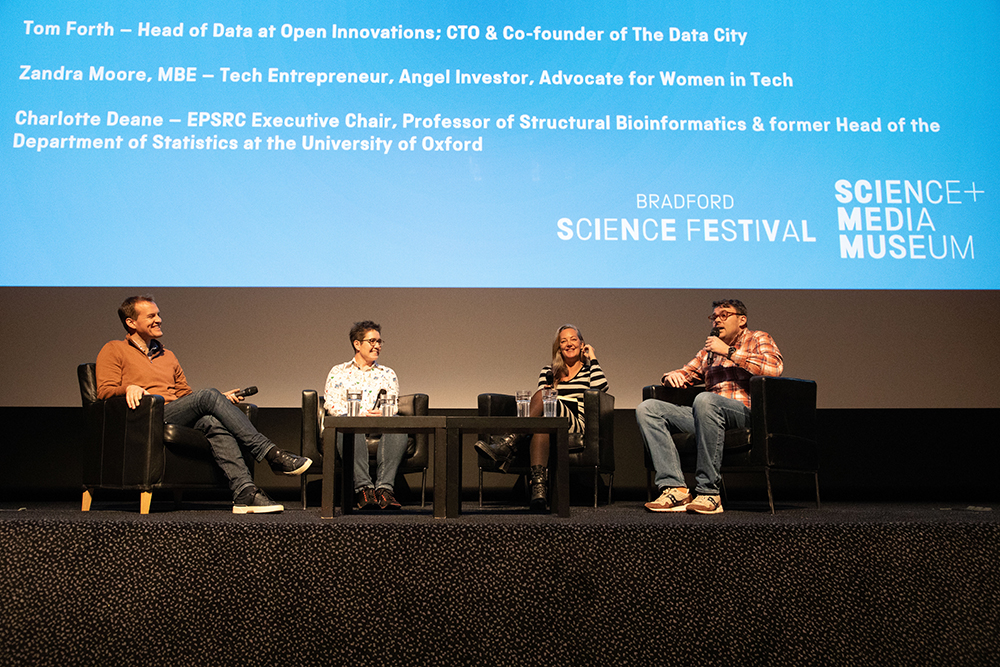 Exploring the UK’s Role and Strategy in Advancing Artificial Intelligence">

The Growing Impact of AI on Industry and Society
Artificial intelligence is dominating headlines and transforming industries at a breakneck pace. From previously unimaginable computational feats to practical applications in healthcare and technology, AI is reshaping how the UK positions itself on the global stage. With smart investments and strategic adoption, the UK aims to stake its claim in AI innovation without merely watching from the sidelines.
From Nascent Technology to a Powerhouse
It wasn’t long ago that modern AI seemed a distant dream, lacking the computational muscle to reach its potential. Around 2012, breakthroughs ignited a rapid ascent, powered by innovations like deep neural networks that mimic brain function for pattern recognition in images, speech, and more. This leap was fueled by advancements such as NVIDIA’s GPUs and pivotal research contributions by British scientists, sparking an unprecedented wave of investment across AI sectors.
Supercomputing Infrastructure: The Backbone of UK AI Ambitions
The UK has stepped up to bolster its computational capabilities with next-generation supercomputers like Isambard-AI in Bristol, Mary Coombs in Daresbury, and Dawn in Cambridge. These powerful machines serve as vital tools for training complex AI models, although the US and China currently dominate the exascale computing sphere. Building such infrastructure is critical for nurturing AI development domestically and enhancing the nation’s competitive edge.
Strategies for AI Growth Beyond Raw Power
Unlike some global players focused on sheer scale, the UK pursues a nuanced strategy known as “muscular adoption.” This approach emphasizes vigorously integrating AI technologies across public services, from hospitals and education to government operations. It champions collaboration between UK-based AI developers and users to tailor solutions tailored to local needs, fostering sovereignty through strategic use rather than replication of foreign infrastructure.
Challenges in AI Adoption and Cultural Barriers
Despite groundbreaking capabilities, the UK faces hurdles tied to cautious corporate policies and slow technology uptake. AI adoption requires overcoming ingrained conservatism and fostering a culture that embraces innovation as essential for economic dynamism. Training, compliance issues, and understandable apprehensions about safety remain focal points demanding attention from policymakers and industry leaders alike.
AI and Public Data: Untapped Potential and Ethical Considerations
The UK is home to vast repositories of health data, courtesy of initiatives like Born in Bradford and UK Biobank, offering unique opportunities to enhance AI-driven healthcare innovations. These datasets raise vital questions about governance, taxation, and ethical management in AI use—topics at the forefront of ongoing discussions about balancing innovation with public good.
The Business Landscape and AI Integration
AI quietly permeates everyday work, often unnoticed, improving efficiency by automating repetitive tasks and supporting decision-making. This “shadow AI” adoption happens in many workplaces before formal policies catch up, highlighting the need for leadership-led strategies to harness AI’s full potential effectively. In hubs like Bradford, youthful diversity and emerging talent provide fertile ground for pioneering AI applications tailored to real-world problems.
Pragmatic Uses and Community Innovation
Rather than chasing headlines about AI’s futuristic capabilities, much innovation focuses on incremental, practical help—for example, simplifying procurement processes or supporting small businesses to compete. These efforts underscore a larger vision: to make AI an indispensable tool through real applications that empower communities and industries alike.
| Aspect | UK Approach | Global Comparison |
|---|---|---|
| AI Infrastructure | Investment in regional supercomputers like Isambard-AI and Dawn | US and China lead with exascale machines |
| Adoption Strategy | Muscular adoption in public sector | Focus on scale and autonomy |
| Data Strength | Rich health datasets via birth cohort projects | Variable access and regulation globally |
| Cultural Readiness | Slow but growing AI integration in businesses and education | Faster adoption in some tech hubs worldwide |
Balancing Caution with Innovation
Concerns about AI’s control and ethical use echo through government and society. Questions such as why humanity would create potentially uncontrollable intelligence reflect a broader unease about AI’s future. While precaution is sensible, experts emphasize that the key to success lies in nuanced regulation, open-source advancements, and collaborative development, rather than fear-driven restrictions.
AI in Healthcare and Research
Significant strides have been made in applying AI to medical imaging and drug discovery. AI often surpasses human performance in diagnosing certain conditions and predicting molecular structures, accelerating research while complementing the expertise of healthcare professionals. However, understanding AI’s limitations and ensuring proper human oversight remain crucial.
Education and Responsible AI Use
Educational institutions grapple with integrating AI properly; students readily use it, but administrative bodies struggle with adoption. Cultivating a culture that embraces AI responsibly is essential for maximizing its benefits in research and learning environments.
Reflection and Future Prospects
At a glance, the UK’s AI journey is marked by remarkable technology, strategic planning, and a commitment to practical applications across sectors. While progress is evident, the true impact will only be felt through broad adoption, cultural shifts, and overcoming technological and regulatory challenges.
Platforms like GetExperience.com highlight the exciting possibilities for travelers and tourists worldwide by offering tailored experiences and seamless booking options, reflect the broad influence of AI on personal convenience and customized service delivery. The UK’s AI advancements resonate beyond tech; they promise to unlock new horizons in cultural engagement, smart city initiatives, and even interactive tourist experiences.
While insights and expert opinions provide valuable guidance, nothing beats first-hand experience. With GetExperience, travelers can explore verified services and secure bookings at just the right price. This blend of transparency, affordability, and variety empowers every visitor to tailor their adventure perfectly—making technology work for them, not the other way around. احصل على أفضل العروض على GetExperience.com.
Summary
The UK’s AI ambitions are powered by groundbreaking research, cutting-edge supercomputing, and a strategy of muscular adoption focused on public service integration and ethical application. Overcoming cautious cultural attitudes and embracing AI in practical settings remain ongoing challenges. Harnessing AI’s potential thoughtfully can enhance healthcare, education, and business efficiency, while safeguarding autonomy and public good.
As AI continues to emerge as a transformative force, its influence will ripple through technology, governance, and the lives of everyday people—including tourists seeking new adventures. Modern travel experiences increasingly integrate AI-driven insights, from personalized tours and interactive museum guides to luxury adventure travel and eco-friendly safaris. Sustainable and immersive visitor engagement depends on blending data with human creativity and expertise, an opportunity the UK is well-positioned to embrace.
Ultimately, the UK’s path in AI reflects a balanced vision—fostering innovation while appreciating human intuition and cultural richness, setting the stage for exciting developments in tourism and beyond.