


 العربية
  English (UK)
  Русский
  বাংলা
বাংলা  日本語
日本語  한국어
한국어  Magyar
  Norsk nynorsk
  Türkçe
  עִבְרִית
  Español
  Čeština
  Svenska
  Português
  Ελληνικά
  Suomi
Suomi  Nederlands
  Română
  Italiano
  Français
  Polski
  Українська
  Deutsch
  简体中文
简体中文  Slovenčina
  Српски језик
  اردو
اردو  Azərbaycan dili
  O‘zbekcha
  አማርኛ
አማርኛ 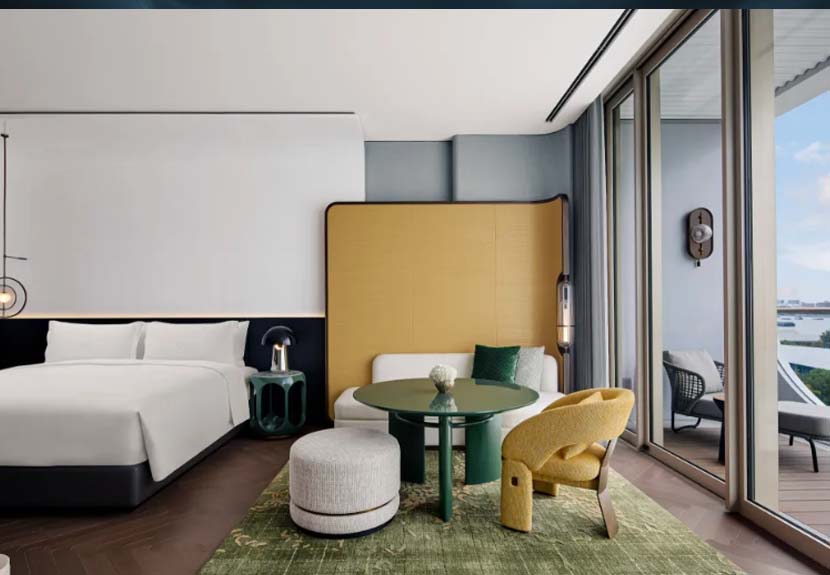 Hilton’s Growth in China Highlights Shanghai’s Luxury Hospitality Landscape with Second Waldorf Astoria Arrival">

Hilton’s Expanding Footprint in China’s Hotel Industry
China’s hospitality market is witnessing significant expansion as Hilton surpasses 888 hotels across the country, marking a milestone in the brand’s rapid growth within this diverse and booming travel region. Among these developments, Shanghai proudly welcomes its second Waldorf Astoria property, signaling not only Hilton’s deepening investment but also the rising demand for luxury accommodation in key metropolitan centers.
This growth reflects a broader trend in China’s tourism and hospitality sectors, which have experienced robust development thanks to increased domestic travel and higher international tourist arrivals. Coastal cities such as Shanghai are often seen as gateways for global travelers, where luxury hotel brands play a pivotal role in shaping the local tourism experience.
The Significance of Shanghai’s Second Waldorf Astoria
Shanghai’s acquisition of a second Waldorf Astoria elevates the city’s status as a destination for premium travelers seeking exquisite service, exclusive amenities, and cultural immersion. These hotels are more than just places to stay—they are experiences embodying architectural grandeur and bespoke hospitality, often enhancing the attractiveness of the destination itself.
For Shanghai, a bustling hub blending modernity and tradition, such developments are crucial in supporting the city’s growing appeal among business and leisure tourists alike. The Waldorf Astoria brand, known for its opulent design and impeccable service, also aids in attracting luxury travelers who contribute significantly to local expenditure and tourism-related economic activity.
Hotel Chain Rankings and China’s Place in the Global Market
| الرتبة | Hotel Chain | البلد | Number of Rooms (thousands) | Number of Hotels |
|---|---|---|---|---|
| 1 | InterContinental (IHG) | المملكة المتحدة | 658 | 4,480 |
| 2 | ماريوت الدولية | United States | 643 | 3,718 |
| 3 | Hilton Hotels | United States | 633 | 3,843 |
| 9 | Jin Jiang International | الصين | 193 | 1,243 |
| 10 | Home Inns & Hotels | الصين | 176 | 1,426 |
| 15 | 7 Days Group | الصين | 94 | 944 |
These figures highlight how international and domestic hotel chains are competing and complementing one another in the vast Chinese market, which continues to expand rapidly with increasing travel demands.
How the Hotel Expansion Influences Tourism in China
China’s growing hotel capacity is directly tied to its evolving tourism industry. With vibrant cities now offering world-class accommodation, travelers’ expectations for comfort, service, and cultural experiences are better met than ever. This positively impacts both business and leisure tourism, encouraging longer stays and increased spending.
The luxury hotel market, including top-tier names such as Waldorf Astoria, attracts high-spending tourists and international events, which elevate Shanghai’s profile on the world stage. For domestic tourists, the rise in modern, high-quality hotels elevates travel standards and diversifies options.
Tourism Trends Driving Hospitality Growth
- Domestic travel surge: With the rising middle class, local tourism has become a major driver in hotel demand.
- International visitors: Increasing numbers of tourists from farther afield look for luxury and international-standard accommodations.
- Business tourism: Major cities like Shanghai host many conferences and events, fueling demand for large hotels with extensive meeting facilities.
- Infrastructure improvements: Enhanced transport links and urban development make China’s cities more accessible and attractive.
Accommodation: A Pillar of Tourism’s Experience
The accommodation sector—a crucial element in the tourism industry—has a significant role in shaping travellers’ overall impressions. Not just a nightly stopover, hotels now offer immersive experiences that blend comfort with cultural or leisure activities. For instance, premier hotels often provide spa services, culinary experiences reflecting local flavors, and curated city tours, all enhancing the visit beyond simple lodging.
Accommodation Characteristics Impacting Travel Experience
- Location: Proximity to attractions or business centers is vital in influencing visitor choice.
- Service Levels: From boutique to large luxury hotels with full-board options, services cater to diverse preferences.
- Perishability: Unsold rooms represent lost revenue, pressing hotels to maintain high occupancy even during low seasons.
- Inseparability: The accommodation and travel experience are linked—the stay often defines the trip’s quality.
Table: Accommodation Types and Typical Services
| Accommodation Type | Features | Common Services |
|---|---|---|
| Luxury Hotels (e.g., Waldorf Astoria) | High-end decor, large-scale facilities | Concierge, spa, gourmet dining, event hosting |
| Boutique Hotels | Unique design, smaller scale | Personalized service, local-themed amenities |
| Budget Hotels | Basic rooms, convenient locations | Self-service, minimal amenities |
Embracing the Future: Booking and Exploring Tourism with GetExperience.com
While reviews and ratings can guide choices, nothing compares to the thrill of firsthand experience. Platforms like GetExperience.com bridge this gap by linking travelers with verified providers offering authentic tours and excursions tailored to preferences—all bookable securely online with convenient voucher confirmation.
For those planning trips to Shanghai or broader China, exploring hotel options like Hilton’s Waldorf Astoria becomes much simpler. Beyond accommodation, GetExperience.com offers a wide array of travel experiences, from interactive cultural workshops to adventure rafting trips for beginners and eco-friendly wildlife safaris, ensuring every traveler finds their ideal journey.
With affordable pricing, transparent service, and a broad selection of adventure activities, museum tours with live guides, yacht parties, and professional esports coaching programs, travelers can craft memorable stays without the usual hassle or uncertainty. احصل على أفضل العروض في GetExperience.com.
Conclusion: The Evolving Landscape of Hospitality and Tourism in China
Hilton’s expansion past 888 hotels in China, highlighted by the opening of Shanghai’s second Waldorf Astoria, symbolizes the country’s ongoing elevation as a travel destination combining luxury, culture, and economic growth. The hotel industry’s boom supports the broader tourism sector by enhancing travel experiences with diverse accommodation options and superior services.
As China continues to attract both domestic and international travelers, hospitality developments fuel an ecosystem that benefits tourists and local economies alike. From tailored adventure activities to luxury adventure travel experiences and interactive online cultural workshops, the travel and tourism industry in China is vibrant and evolving. These dynamics promise exciting opportunities for visitors eager to explore all that this fascinating destination offers.