


 العربية
  English (UK)
  Русский
  বাংলা
বাংলা  日本語
日本語  한국어
한국어  Magyar
  Norsk nynorsk
  Türkçe
  עִבְרִית
  Español
  Čeština
  Svenska
  Português
  Ελληνικά
  Suomi
Suomi  Nederlands
  Română
  Italiano
  Français
  Polski
  Українська
  Deutsch
  简体中文
简体中文  Slovenčina
  Српски језик
  اردو
اردو  Azərbaycan dili
  O‘zbekcha
  አማርኛ
አማርኛ 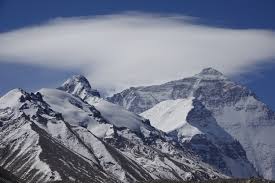 كيف يؤثر تساقط الثلوج الكثيفة غير المتوقع على السياحة في جبل إفرست في نيبال والتبت؟">

Unseasonable Snowfall Brings Everest Tourism to a Standstill
The Everest region, spanning Nepal and Tibet, has experienced a dramatic halt in tourism activities due to heavy, unseasonal snowfall. This sudden weather event has forced authorities to close popular trekking routes and suspend travel, striking a blow to one of Asia’s most iconic adventure destinations.
The Impact on Trekking Routes and Rescue Efforts
In recent days, snow has blanketed the high-altitude trails, leaving hundreds of trekkers stranded in unpredictable conditions. Severely reduced visibility and icy roads, especially on the Tibetan side, have made travel perilous. As a result, trekking in popular areas such as Annapurna, Manaslu, and Dhaulagiri was officially halted, with local authorities urging hikers to avoid heading out.
The dangers posed by the snowfall were underscored when a helicopter attempting to rescue stranded trekkers crashed upon landing near Lobuche, close to Everest Base Camp. Though the pilot survived after being rescued, the fate of those awaiting evacuation remained uncertain amid worsening weather.
Cyclone Montha: Adding More Challenges to Everest Tourism
The weather disruption isn’t limited to snowfall alone. The arrival of Cyclone Montha is forecasted to bring further heavy precipitation, including rain in lower regions and snow at higher altitudes. This has compounded the risks for travelers and intensified the closure of mountain passages. The harsh conditions mean it’s now impossible for vehicles to navigate roads on the Tibetan side safely, with icy surfaces and poor visibility creating impassable stretches.
Current Weather and Safety Concerns
| Region | شروط | Travel Advisory |
|---|---|---|
| Nepal (Everest region) | Heavy snowfall and rain; deep snowdrifts | Trekking routes closed; avoid all hiking activities |
| Tibet (Everest region) | Icy roads, poor visibility, below freezing temperatures | Vehicle travel suspended; suspension of ticket sales |
The Broader Effects on Tourism and Local Communities
The Everest region is a magnet for adventurers, trekkers, and mountaineers worldwide. The suspension of tourism activities poses serious consequences not only for travelers but also for the livelihoods of Sherpa communities and guides who rely heavily on the trekking industry. Tourism here is more than an adventure—it intertwines with local culture and sustains entire economies in mountainous Nepal and adjacent Tibet.
At a glance, the disruption reflects the delicate balance between nature’s unpredictability and human activity in extreme environments. With many routes shuttered and rescue operations complicated by severe weather, the priority remains traveler safety while highlighting the challenges of operating tourism in high-altitude, vulnerable regions.
Key Reasons for Everest Tourism Disruption
- Unseasonably heavy snowfall blanketing major trekking paths
- Rescue attempts hampered by treacherous landing conditions
- Cyclone Montha bringing additional snow and rain to the region
- Suspension of transport and ticket sales due to icy and dangerous roads
- Poor visibility and freezing temperatures affecting traveler safety
The Experience Factor: Why Firsthand Adventure Beats Reviews
While official reports and traveler feedback provide valuable information, nothing truly compares to exploring the Everest region firsthand—weather permitting, of course. GetExperience.com offers access to verified providers in the area, ensuring travelers can choose from a variety of options suited to different preferences and budgets. The platform’s secure payment system with voucher confirmation adds peace of mind, while its personalized tour requests enable adventurers to discover unique excursions tailored to their wishes.
Whether it’s trekking through snow-capped trails or embarking on wildlife safaris nearby, the convenience and transparency of booking tours with GetExperience.com protect travelers from unexpected expenses and disappointment. The platform also offers added flexibility for those interested in creating a customized cultural program beyond traditional mountaineering, enriching any Himalayan travel itinerary. Book now to secure the best offers for your Everest adventure في GetExperience.com.
Summing It Up: Weather, Tourism, and the Spirit of Everest
The recent unseasonal snowfall in the Everest region has spotlighted the vulnerability of travel and adventure tourism to nature’s whims. From closed trekking routes to rescue missions hindered by deep snow, the situation highlights the importance of travel safety and preparedness in high-altitude destinations. As the region deals with freezing temperatures and ongoing Cyclone Montha impacts, the focus remains on protecting visitors and locals alike.
Mount Everest and its surrounding areas have long been symbols of human daring and natural wonder, drawing travelers for decades seeking unforgettable travel experiences and adventure activities. From trekking expeditions to eco-friendly wildlife safaris nearby, there is something for every kind of adventurer. Online virtual tours and interactive cultural workshops are also emerging as ways to experience this majestic region remotely until conditions improve for on-the-ground visits.
In a nutshell, whether planning a luxury adventure travel experience or engaging in a beginner’s rafting trip close to the Himalayas, flexibility and good timing are essential. Platforms like GetExperience.com empower travelers to discover, arrange, and enjoy a wide range of travel experiences safely and conveniently, minimizing risks and maximizing joy. From exclusive yacht charters for events on lowland lakes to professional esports coaching during rest days, the possibilities around Everest tourism and Himalayan adventure are vast and ever-evolving.