


 العربية
  English (UK)
  Русский
  বাংলা
বাংলা  日本語
日本語  한국어
한국어  Magyar
  Norsk nynorsk
  Türkçe
  עִבְרִית
  Español
  Čeština
  Svenska
  Português
  Ελληνικά
  Suomi
Suomi  Nederlands
  Română
  Italiano
  Français
  Polski
  Українська
  Deutsch
  简体中文
简体中文  Slovenčina
  Српски језик
  اردو
اردو  Azərbaycan dili
  O‘zbekcha
  አማርኛ
አማርኛ 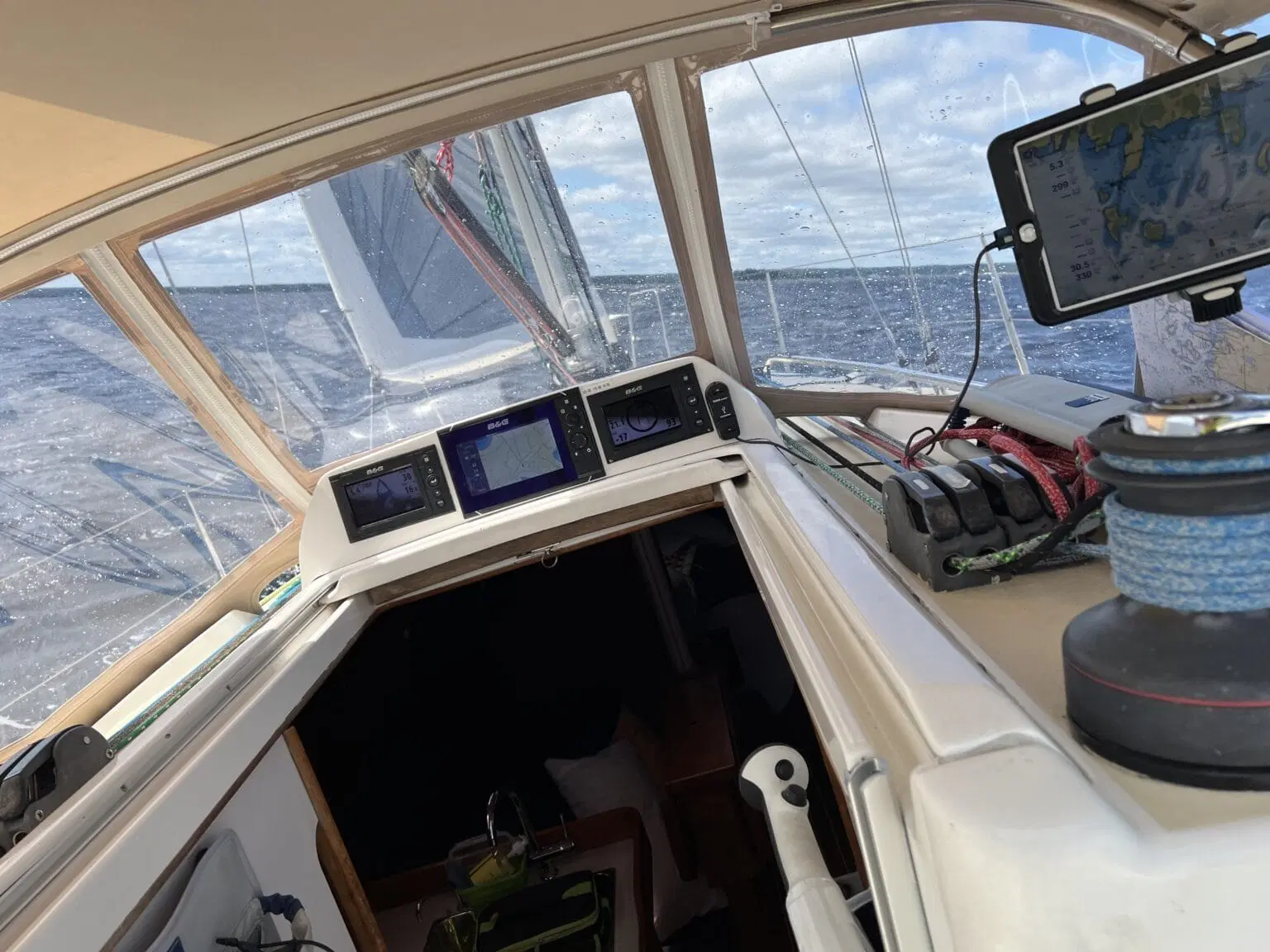 نصائح محدّثة في الملاحة البحرية وممارسات الأجهزة الإلكترونية لرحلات بحرية أكثر أمانًا">

For coastal and offshore passages, relying on a single GNSS fix without parallel crosschecks increases the likelihood of positional mistakes; best practice is to maintain at least two independent position sources (GNSS plus radar or visual bearings) and to allocate an extra arrival buffer of 20–30 minutes in busy ports for traffic and pilot transfers.
At a glance: core electronic redundancy and data flow
Modern recreational and small commercial vessels commonly combine chartplotters, AIS, radar, and VHF with integrated autopilots. To have a mind to reduce single-point failures, arrange critical systems so that their data paths are independent yet visible on the helm: for example, a secondary tablet-based chartplotter should be able to receive NMEA or network feeds separately from the primary MFD.
System layout recommendations
- Keep a dedicated primary navigation console and a physically separate نسخة احتياطية device (tablet or handheld) with offline charts.
- Use quality power isolation and clearly labelled circuit breakers to prevent a single battery fault from taking out all electronics.
- Logically separate sensor feeds: duplicate GPS sources (GNSS receiver + multifunction display with internal GPS) and cross-check with radar and visual bearings when available.
Updated tips for 2026 electronics
Below are distilled and re-edited guidance points that reflect recent firmware and hardware advances through 2026. These are practical adjustments rather than theoretical arguments.
Navigation accuracy and verification
- Time-synchronised logging: Ensure all devices use UTC timestamps. When troubleshooting a track or collision near-miss, consistent timestamps simplify reconstruction.
- Radar as a position verifier: Don’t treat radar only as collision avoidance; use radar fixes (range and bearing to fixed targets) to validate GNSS positions when entering narrow channels.
- Visual bearings: Practice quick-bearing exercises at anchor and underway to keep crew proficient in taking manual fixes.
Data hygiene and updates
- Apply chart and firmware updates on a scheduled maintenance day ashore; maintain a written or digital manifest of current versions.
- Keep a known-good offline chart set on a removable medium—this prevents navigation gaps when networked sources fail.
- Use AIS as a situational tool, not as an absolute truth: transponder errors and spoofed messages occur; always corroborate with radar and visual observations.
Power management
Power planning remains the single most influential factor in electronics reliability. Implement a simple power budget that lists continuous and peak draws for each device, and test battery endurance at anchor and underway. Consider a small inverter for charging portable backups separate from the boat’s primary charging bus.
Quick comparison: sensors and roles
| Sensor / System | Best Use | Redundancy Value |
|---|---|---|
| GNSS | Primary position; long-range routing | High — duplicate recommended |
| Radar | Collision avoidance; coastal fixes | High — crosscheck GNSS |
| نظام التعرف الآلي | Traffic identification and CPA | Medium — corroborate with visual/radar |
| VHF/DSC | Communications and distress | High — essential |
Operational procedures sailors should adopt
- Run daily electronics checks and record them in a vessel log.
- Practice simulated failures (loss of GNSS, electrical blackout) to keep crew skills current.
- Maintain printed approach plates and a handheld compass for critical arrival and departure phases.
Implications for tourism and small-ship operators
Reliable navigation and robust electronics directly affect the safety and punctuality of maritime tourism services such as yacht charters, coastal excursions, and small cruise packages. A vessel that follows the redundancy principles listed here minimizes cancellations and late arrivals, which in turn protects customer satisfaction and tour operator reputations.
كيف يساعد هذا المسافرين
يستفيد الركاب من مسارات سفر أكثر سلاسة، ورحلات برية أكثر أمانًا، واستجابات أسرع للتحولات في الجدول الزمني الناجمة عن الأحوال الجوية أو الازدحام في الموانئ. يمكن لمقدمي الخدمات السياحية الذين يعطون الأولوية لمرونة الإلكترونيات تقديم تجارب أكثر موثوقية - وهي نقطة بيع جذابة لكل من تجارب السفر الفاخرة والمغامرة وباقات الرحلات البحرية ذات السوق الشامل.
باختصار، حافظ على مصادر تحديد المواقع المزدوجة، وجدولة تحديثات البرامج الثابتة والمخططات، وإدارة الطاقة عن قصد، وتدريب الطواقم على حالات الفشل. إن تطبيق هذه التدابير يعزز السلامة والالتزام بالمواعيد لرحلات الت.