


 العربية
  English (UK)
  Русский
  বাংলা
বাংলা  日本語
日本語  한국어
한국어  Magyar
  Norsk nynorsk
  Türkçe
  עִבְרִית
  Español
  Čeština
  Svenska
  Português
  Ελληνικά
  Suomi
Suomi  Nederlands
  Română
  Italiano
  Français
  Polski
  Українська
  Deutsch
  简体中文
简体中文  Slovenčina
  Српски језик
  اردو
اردو  Azərbaycan dili
  O‘zbekcha
  አማርኛ
አማርኛ 
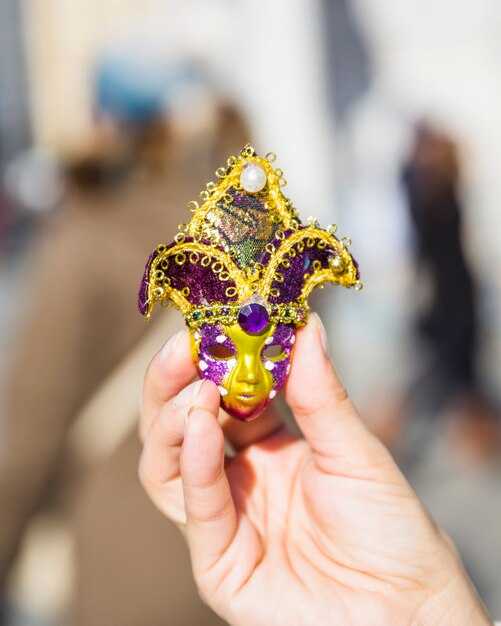
Plan ahead: secure a viewing spot and arrange transportation early. Upon arrival, Mardi Gras in New Orleans becomes a showcase of history, southern charm, and crowd energy. Having a simple map and a backup route will save you from long walks and missed throws that come with peak crowds.
Know the core krewe calendar: Barkus parades for pets bring color to the French Quarter, and the big parades along St. Charles Avenue draw thousands. That timing helps you pick which days host the largest celebration and how to navigate the route, with crowds typical between 10 a.m. and 4 p.m. Arrive two hours before the start to secure a good view and avoid missing the first throws.
تاريخ anchors the experience: Mardi Gras formed in the southern United States and intensified as a city tradition with each krewe building new floats and costumes. During the weeks before Fat Tuesday, many locals observe fasting as a nod to Lent. This article highlights how the krewe system supports hundreds of floats, tens of thousands of beads, and a bustling business around shops and security staff.
Practical tips to stay safe and comfortable: keep valuables in a secure bag, watch for moving floats, and drink water between beverages. To move easily, use official shuttles or rideshare apps; the transportation grid expands to the riverfront, downtown, and the Garden District on peak nights. Keep your plans flexible and avoid intersections during arrival windows to limit accidents.
For families and pet lovers, Barkus stands out: the street parades feature costumes, playful bands, and crowds that yell for beads as the procession passes. If you plan to come with kids, choose side streets away from loud blasts and keep a clear line of sight to floats. The pet-friendly vibe adds fun without sacrificing safety.
Tips for first-timers: book a balcony or general admission pass, plan a fully informed day, and pace yourself with quick meals between parades. Local businesses stay open late, offering easy snacks and a friendly southern welcome. This article helps you reduce cost surprises, understand bead prices, and align your schedule with the parade timetable so you can have a memorable experience.
Parade Routes and Key Schedule Details
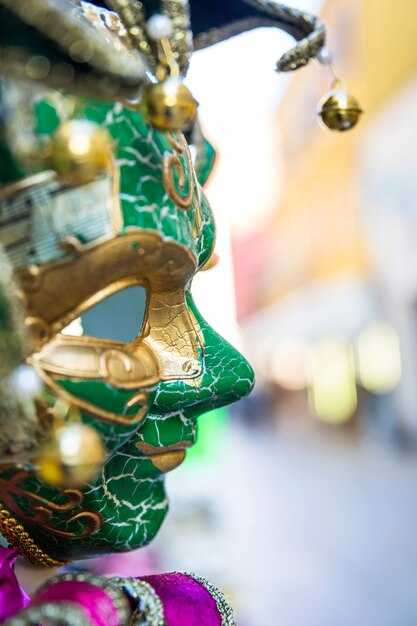
Plan your trip around Uptown parades first. Pick a fixed viewing point on St. Charles Avenue near Lee Circle or the Garden District to secure an incredible view; this center location keeps your party together and reduces time spent in crowds. This beginning plan helps your guests and attendees enjoy the rhythm without missing key moments.
Riders on the floats create a lively scene, and guests and attendees line the sidewalks for views. This year includes four main routes: Uptown St. Charles Avenue from Napoleon to Canal Street, the Canal Street corridor through the center city, and a Marigny-Bywater extension on select nights. Start times typically begin in the late morning and continue into the evening, with road closures and judging schedules posted by the city in advance. For groups and businesses, coordinate a meeting point at the beginning of the route and use a shared plan to keep everyone aligned. Some floats carry political themes, adding context to the incredible designs for onlookers. The spirit stays high as crowds cheer along the route. Many krewe partners and local businesses offer masquerade-friendly viewing options and party packages that include food and beverage add-ons. If you are coordinating a trip for your team, dont forget to create a simple plan that keeps the group together and focused on the schedule.
Viewing Points, Timing, and Practical Details
Best views emerge along the centerline near Canal Street and on the neutral grounds along St. Charles; these spots are available to the public and easy to reach by bus or rideshare. If you plan a party or corporate trip, contact local businesses early to secure a reserved space, and consider a costume or masquerade theme to boost group energy without obstructing crowds. The schedule includes specific windows for each parade and for float stops; riders throw beads and trinkets frequently, so bring a bag to keep your finds secure. Do not forget to monitor weather and traffic closures; keeping your devices charged helps you stay on track; the city public transit options are usually reliable, and many guests and attendees use streetcar lines to move between routes. Beginning the day with a plan helps you maximize views and minimize walking.
Best Parade Viewing Spots Near the Convention Center
You must arrive 60–90 minutes early to claim a seat on the Convention Center East Plaza, where you’ll catch the first floats as they roll into downtown and thousands of attendees create a lively vibe. Staying nearby makes it easy to join friends, catch beads, and pose in costumes; café patios along Loyola Ave offer a quick recharge so you can stay for the full stretch, and Barkus pups along the route add a playful touch that families love.
Prime viewing spots
| Spot | What It Offers | Best Time to Arrive | Nearby Perks |
|---|---|---|---|
| Convention Center East Plaza | Direct sightlines as floats roll downtown | 60–90 minutes before | Flat ground, restrooms nearby, short walk from transit stops |
| Riverwalk Promenade | Wide, shaded walkway with railing seating | 50–80 minutes before | Food and drinks nearby; easy to move with kids and pups |
| Hotel Rooftop Terraces (near Loyola Ave) | Elevated view with a calmer crowd | 90–120 minutes before | Ask about guest access or reservations; beverage service available |
| Canal Street Crossing near Center | Sidewalk vantage close to the main route | 60–90 minutes before | Vibe of the streets, plus quick exits to restrooms and shops |
These spots balance visibility with accessibility for families, attendees, and guests who plan to stay through after the parades wrap. Plus, you’ll find a mix of restaurants and cafés within a short stroll if you want a quick beverage or bite.
Practical tips for a smooth viewing day
Bring a compact bag with essentials, stay hydrated, and keep your drinks and snacks from nearby businesses within easy reach.
Dress for the weather and wear comfortable footwear; keep costumes practical so you can move with the crowd and don’t block others’ view, especially near crosswalks where crowds converge.
Coordinate with your group to stay together; designate a meeting point in case someone drifts or you want a quick regroup after the crowds thin out. Watch for accidents and plan safe exits to the side streets.
When you’re ready to wrap, consider transit options to avoid traffic along the southern center corridors. Streetcars and buses run along major arteries, and rideshares often provide the quickest return to your staying spot. If you’re bringing pups, keep them on a leash and favor shaded, open spots to reduce stress for everyone.
Getting Around: Transit, Parking, and Crowds
Skip driving into the parade zones and rely on RTA streetcars and buses instead. Load a Jazzy Pass for unlimited rides during your visit, or pay per ride if you prefer flexibility. The St. Charles line and the Canal Street routes connect the CBD, the French Quarter, and Uptown, making it easy to reach major parade routes with minimal walking. Transit typically runs from early morning to late evening on marquee days, with peak intervals every 8–12 minutes; wait times grow during big events. To minimize delays, consider arriving at stops at least 15 minutes before you plan to board. If you’re in the business districts or near offices, expect detours from parade barricades and extra walking. Mardi Gras started as a local tradition and then grew into a city-wide mardigras spectacle; embracing transit helps you avoid parking headaches, stay close to performances and celebrity appearances, and keep the day good from start to finish. Bring a water bottle and cold drinks in hand-decorated cups, and plan to refill at neighborhood stands; most vendors accept card payments, but some require cash. That makes it easier to avoid long drives and parking hassles, and the quarter becomes packed as crowds swell. A little prep can shave hours off waits and keep you moving through a crowded quarter of the city.
Transit: Getting Around During Mardi Gras
RTA operates the St. Charles Streetcar and Canal Streetcar lines, plus buses that connect the CBD, the Quarter, and Uptown. Service typically runs from roughly 5:00 a.m. to midnight on marquee days, with peak headways of 8–12 minutes. Use the Jazzy Pass for unlimited rides during the day, or pay per ride if you prefer flexibility. Real-time updates appear in the rideRTA app and at rideRTA.com; plan routes to avoid major detours along the parade routes. The biggest crowds concentrate around the quarter and along St. Charles, so expect long lines at stations and intersections. Some parades feature performances and celebrity appearances; enjoy them from a safe, designated viewing area. Security checks and ID requirements may be in place at certain blocks, so carry valid ID. Consider walking a block or two to pick up a car at the end of a line if the curb is too crowded. Then set a flexible exit to your hotel or restaurant to avoid idle waiting. The history of mardigras shows how a simple neighborhood event grew into a major American celebration, so embrace the public transit culture and keep the vibe friendly for locals and visitors alike.
Parking and Crowds: Practical Tactics
Parking near the Quarter is scarce; best options are garages in the CBD or park-and-ride lots outside the parade corridors and ride in. On-street parking near parade routes is heavily restricted, and curb spaces often become loading zones or are posted as no-parking during events. If you drive, allocate 60–90 minutes extra for parking and walking, and use apps to reserve a spot in advance when possible. Bring cash for meters where needed, though many garages accept cards or mobile payments. Arrive by 9:00 a.m. for the best chance at a decent spot, and plan to walk several blocks to avoid bottlenecks at critical intersections. The crowds, food stalls, and grease-scented street fare can be delightful, but stay mindful of pickpockets and maintain a visible path to exits. The quarter history informs a city that loves big gatherings; keep to well-lit routes, move with the flow of marchers, and respect locals who run shops and offices along the routes. With patience, you’ll navigate efficiently and enjoy a smoother parade-day experience.
Stay Close: Sonesta ES Suites New Orleans Convention Center
Stay close by booking Sonesta ES Suites New Orleans Convention Center to minimize travel time and maximize your Mardi Gras experiences. Staying here keeps you above the hubs of crowds while offering comfortable suites, a quick breakfast, and easy access to the action along the parade routes. You’ll notice creole flavors nearby, colorful costumes and floats, and Zulu and vieux celebrations throughout the city.
Prime location and easy access
- Proximity and access: The hotel sits within a short walk of the Convention Center, making it easy to catch passing floats and gather doubloons tossed along the route.
- Viewing areas: Pick spots along Canal Street, the French Quarter, and the Warehouse District–areas where music, color, and crowds create a vivid backdrop for celebrations.
- Local flavor: In these areas you’ll find creole eateries, live music venues, and classic street performances that heighten the magic of the day.
- Practical tips: Travel light, use a plastic bag for valuables, and return to the hotel for quick rests between bursts of activity.
Smart planning for parades and celebrations

- Strategy for viewing: Start early to beat the passing crowds and pick a vantage point where you can see the floats and catch doubloons without losing your group.
- Comfort and safety: Stay with your companions, designate a meeting point, and keep to well-lit, pedestrian-friendly routes after dark.
- Diet and flexibility: If you’re fasting or have dietary preferences, leverage nearby creole cafes and hotel options that offer lighter or seafood-focused choices.
- Musical atmosphere: Let the music lead you from the Convention Center through the colorful streets of the Vieux and beyond–throughout the celebration, the rhythm keeps the day engaging.
Choosing this base keeps you close to the action while providing reliable spaces to work, rest, and reconnect. With a smart plan, your stays, colors, and experiences become a seamless part of the classic Mardi Gras narrative that begins the moment celebrations start and continues through the night.
Food, Drink, and Safety Tips for Mardi Gras Crowds
Carry a small, reusable water bottle and sip regularly to stay hydrated through the day, ready for enjoying the events and your energy. Plus, pack a small snack to keep yourself fueled.
Pack savory snacks that travel well–nuts, cheese cubes, pretzels–and keep them in a compact cooler to maintain safe temps for perishable items. If you crave coconut water, buy from trusted vendors who display clean prep and ice for cold drinks.
Stay on the central sidewalks and keep barricades clear; plus whoever you’re with should stay close and move as a unit to avoid blocking emergency lanes, and practice etiquette with fellow visitors.
Be mindful about catches and throws: let kids grab first, watch for doubloons and cups, and keep keepsakes securely so they don’t become a tripping hazard. When chewbacchus rolls through, follow the theme and maintain order along the turn.
Parking is tight near the core: park in official garages near the central district and walk a short distance, or use rideshare to reach a designated drop-off spot. Do not leave valuables visible in your car, and avoid warehouse-style storage areas for gear.
Origin of Mardi Gras festivities shapes your experience, with visitors from around the year joining the core events. This includes practical steps: check the calendar, bring a lightweight jacket for temps that swing from sun to evening, and designate a meeting point in case someone gets separated. Have a ready plan and share a contact method so you can reunite quickly.