


 العربية
  English (UK)
  Русский
  বাংলা
বাংলা  日本語
日本語  한국어
한국어  Magyar
  Norsk nynorsk
  Türkçe
  עִבְרִית
  Español
  Čeština
  Svenska
  Português
  Ελληνικά
  Suomi
Suomi  Nederlands
  Română
  Italiano
  Français
  Polski
  Українська
  Deutsch
  简体中文
简体中文  Slovenčina
  Српски језик
  اردو
اردو  Azərbaycan dili
  O‘zbekcha
  አማርኛ
አማርኛ 
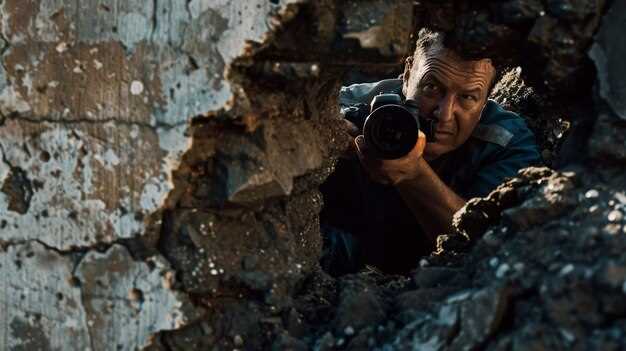
In the evolving landscape of contemporary art, Hito Steyerl stands out as a pivotal figure whose work interrogates the relationship between technology, media, and the human experience. Her piece “Humanity Had the Bullet Go In Through One Ear and Out Through The Other” serves as a nuanced example of how art can engage with pressing social and political issues. Rather than merely reflecting the state of the world, Steyerl’s multimedia installation invites viewers to question the very structures that shape our understanding of reality. Through quotes and documents, she explores the intersection of labor, arms, and the invisible mechanisms of control that govern society.
The installation, characterized by its bounding use of various screens and mechanical devices, conveys a sense of liquidity that mirrors today’s media landscape. In the art gallery setting, viewers are presented with a long-form commentary that is as educational as it is contentious. By focusing on the fragility of meaning in a world bombarded by information, Steyerl implicitly critiques the statistical narratives that often dominate discourse. In doing so, she suggests that we don’t just see the magic of art; we must also engage with the deeper implications of its presentation and reception.
As we delve deeper into Steyerl’s work, a vital question emerges: how does the integration of technology in art shape our understanding of complex social realities? Drawing connections between previous works, including her critically acclaimed documentary films and installations, this exploration will illuminate the enduring impact of Steyerl’s artistic vision. In a moment in history marked by uncertainty, her work continues to resonate, challenging audiences–including those in venues like the Frieze Art Fair and Manifesta–to reconsider the roles we play as consumers, spectators, and participants in a constantly shifting dialogue about humanity.
Understanding the Context of Steyerl’s Work

Hito Steyerl’s artistry emerges at the intersection of technology and the human experience, illustrating the complexities of modern existence. Born in Germany and deeply influenced by socio-political climates, her work interrogates the implications of disinformation and the role of digital architecture in shaping narratives. The fascination with how words and images can manipulate perception is a recurring theme, especially when exploring contexts like Gaza or the struggles of the Kurds. Here, she critiques the power dynamics that underpin these narratives, inviting viewers to focus on the spaces in-between–those missing links that emphasize the humanity inherent in a technical age. This is particularly evident in her use of platforms like Vimeo and e-flux, where she showcases the reverb of contemporary discourse, thus challenging audiences to reconsider their position within these frameworks.
Steyerl’s films often transcend traditional media, making viewers confront difficult truths about the roles humans play in a technologically saturated world. With a humorously ironic tone, she explores how modern “agents” of change might instead perpetuate the same problems they aim to solve. The 21st century demands that we explore these complexities, understanding that terror and resistance co-exist within the same narrative. Her approach doesn’t shy away from the technical aspects of filmmaking; it instead highlights how medium and message are intertwined. Steyerl is not just a storyteller but a vital critic of the architecture that defines contemporary existence, urging us to engage with the implications of our collective being today. The architecture of our shared experience can’t be ignored; it shapes our understanding of time, allowing us to see beyond the immediate and into the horizon of potential futures.
Historical Background: Video Art in Contemporary Society
Video art, as a medium, has always been a powerful vehicle for exploring the complexities of humanity. Emerging in the late 20th century, it gave artists a new way to engage with socio-political issues, turning the camera into a tool for critique. The fascination with how moving images can reflect and distort reality was evident in the works of early pioneers, paving the way for contemporary artists like Hito Steyerl. In her pieces, such as “Humanity Had the Bullet Go In Through One Ear and Out Through The Other,” she utilizes video to dissect problems of state violence, military operations, and their implications on our understanding of art and agency.
In recent years, the impact of video art has expanded, especially in areas like Gaza, where drones are used for military surveillance and action. This has led to an ongoing conversation about the ethical responsibilities of artists when addressing such sensitive topics. Artists are tasked with not only presenting the raw realities of conflict but also with creating nuanced narratives that resonate beyond the immediate frames. Platforms like ArtReview.com have become crucial in critiquing these works, emphasizing the importance of context and the relationship between the viewer and the artwork.
When examining video art, the technical aspects cannot be overlooked. Artists often edit footage meticulously to convey a specific vibe or message. The emphasis on liquidity in visual storytelling allows for a fluid interpretation of moments in time, as seen in solo exhibitions in galleries from Vienna to Los Angeles. This highlights a shift where the traditional boundaries of film and art are blurred, transforming the viewing experience into something that questions our understanding of reality. The dialogue within such spaces has become a crucial part of the movement, where discussions often revolve around what it means to be an agent of change within contemporary society.
Understanding the historical background of video art reveals its evolution from a niche format to a mainstream medium. As technology advances, artists like Steyerl, who address both the beauty and horror of human experience, are challenging norms and provoking thought. The current landscape of video art thrives on its capacity to provoke discussions on terrorism, military engagement, and the human condition itself. As the genre continues to evolve, the question remains: what are the future implications when art becomes a reflection of the world’s most pressing issues?
How Global Politics Influence Steyerl’s Narrative
Hito Steyerl’s work encapsulates the intricate relationship between art and global politics, particularly in the 21st century. The invisible structures that govern our societies are often reflected in her narratives, which reveal the underlying mechanisms of control exerted by military and economic powers. Events such as the rise of drones and military networks reshape our understanding of conflict, and Steyerl masterfully utilizes multimedia formats to dissect these realities. In her works, بشر are simultaneously the subjects of control and resistance, absorbed in a réponse to the shifting political landscape.
The choice of topics such as the plight of the Kurdish people or the implications of digital surveillance reflects a broader critique of societal structures that often go unnoticed. Steyerl’s narratives are a filmmaker‘s response to the environments we inhabit, unearthing lessons from the past and presenting them in a way that resonates with contemporary audiences. She poses critical questions about how we engage with media and the narratives produced within these complex realities. This engagement challenges the audience to reconsider their place within these articulated networks.
Moreover, her collaboration with institutions like e-flux and involvement in various educational initiatives demonstrate her commitment to democratizing access to art and knowledge. Through publications such as books and essays, she extends her reach beyond the gallery space, influencing other artists and engaging with their responses to current events. Steyerl’s narratives often question dominant ideologies and encourage audiences to reflect upon their own understanding of the world in a time when political agency seems increasingly elusive.
In summation, Steyerl effectively uses her art as an instrument to critique the prevailing conditions of our time. The reverb of her ideas can be seen in the way they provoke discussions surrounding the impact of technology on social relations, as well as the educational aspect of her work, which teaches us much about the complex interplay of power and media. As we explore her narratives, we find ourselves engaged in a dialogue that is not just about art but encompasses the very idea of what it means to be human in an era defined by surveillance and militarization.
The Role of Technology in Modern Art
Technology has significantly influenced the trajectory of modern art, reshaping not only artistic practices but also the very essence of how art is consumed and understood. The advent of digital tools has transformed traditional modes of creation, allowing artists to traverse new landscapes of expression. For instance, the rise of digital platforms has enabled artists to reach audiences without physical limitations, defying the previous constraints of galleries and exhibitions.
In cities like Vienna and Berlin, artists have utilized technology to explore complex themes, deeply intertwined with contemporary society. These topics often reflect the liquidity of modern existence, a state of constant flux where art serves as a commentary on the human condition. The work of filmmakers such as Andrew Kötting exemplifies this approach, using digital mediums to weave narratives that resonate on both intellectual and emotional levels.
Exhibitions and biennials around the world increasingly select works that incorporate digital technology, showcasing collections that challenge traditional forms. Events like the Venice Biennale present unprecedented opportunities for artists to engage with the public through interactive installations, merging their artistic visions with modern technological advancements. Here, the invisible barriers between artist and audience dissolve, creating a new kind of dialogue.
Books and films have also emerged as important mediums within this technological renaissance. Authors and filmmakers are exploring language that critiques the role of disinformation in art, asking critical questions about authenticity and representation. The works selected by institutions such as MoMA reflect this shift, focusing on emergent forms that engage with the broader societal implications of technology.
Women artists, in particular, have been at the forefront of this movement, utilizing digital platforms to amplify their voices and perspectives. Their work often addresses the intersectionality of gender, technology, and art, challenging the male-dominated narratives historically prevalent in the art world. This focus on diversity not only enriches the conversation within galleries but also promotes a more inclusive understanding of contemporary art.
In the Netherlands, art institutions are increasingly alert to the importance of technology, creating spaces for technical experimentation and collaboration. Coworkers in art labs engage in collective projects that blur the lines between disciplines, transforming the traditional artist studio into a dynamic environment for innovation. This is where the critical thinking about art and technology occurs, forming a coalition that can solve pressing societal issues.
Ultimately, technology serves as a powerful agent for change in modern art, enabling artists to push boundaries and redefine what art means in the digital age. The constant evolution of tools and mediums allows for a fluid exchange between creators and their audiences, making art a living, breathing entity that reacts to its context. By embracing this interplay, artists forge new paths that are both reflective and transformative.
In conclusion, the integration of technology into modern art creates a rich tapestry of experiences and dialogues that enrich the cultural landscape. As artists continue to navigate the complexities of their craft, they invite viewers to embark on journeys that challenge perceptions, broaden understanding, and ultimately redefine humanity’s relationship with art itself.
Deconstructing the Visual Elements of “Factory of the Sun”

Hito Steyerl’s “Factory of the Sun” uniquely intertwines several visual elements to create a compelling narrative about the commodification of digital life and the impact of war on contemporary society. The work is notable for its use of a moving frieze that combines documentary aesthetics with fictionalized sequences. This blend allows the viewer to engage with a spectrum of ideas while questioning the authenticity of their consumption of media.
One of the striking aspects of the piece is its architectural framework, which serves as a bounding structure for the visual journey. Drawing inspiration from German industrial architecture, Steyerl presents a critique of modernity and its relationship with war and labor. The buildings featured echo factories where the history of military engagements and economic exploitation converge, presenting viewers with an unsettling intersection of past and present.
The thematic exploration of liquidity is particularly instrumental in tracing the flow of resources and the human experiences behind them. Several elements displayed in the exhibition speak to this idea, as images of Kurdish fighters and urban landscapes were listed among the works. These visuals not only present a narrative of resilience but also evoke a sense of urgency about the ongoing struggles faced by marginalized communities.
| Visual Element | الوصف |
|---|---|
| Frieze | Moving visuals that blend documentary style with fictional narratives. |
| Architecture | Inspired by German industrial buildings, representing war and labor. |
| Liquidity | Symbolizes the flow of goods and experiences amidst economic instability. |
| Kurdish Imagery | Highlights the struggles of Kurdish fighters, reflecting resilience. |
Another fascinating detail is the presence of humor in the work, which contrasts sharply with the serious themes it addresses. By injecting comedic elements into grim realities, Steyerl manages to engage audiences more deeply. This approach compels the viewer not just to consume the imagery passively, but to participate in an ongoing dialogue about the socio-political implications of the narratives presented.
The varying temporalities represented in the work further engage with the question of how histories are constructed and deconstructed. Instead of presenting a linear narrative, Steyerl invites viewers to consider how past events continue to influence present circumstances. In this sense, “Factory of the Sun” becomes more than just a piece of art–it’s a visual discussion rooted in historical context, resonating today.
Ultimately, Steyerl’s ability to layer these visual elements creates an unprecedented experience that challenges conventional perceptions. By blending humor, seriousness, and critical reflection, she encourages a deep, thoughtful engagement with the artwork. The experience of viewing becomes an invitation to understand and reflect upon our existence within a world that is continually shaped by conflict and labor, making it a vital part of contemporary artistic discourse.