


 العربية
  English (UK)
  Русский
  বাংলা
বাংলা  日本語
日本語  한국어
한국어  Magyar
  Norsk nynorsk
  Türkçe
  עִבְרִית
  Español
  Čeština
  Svenska
  Português
  Ελληνικά
  Suomi
Suomi  Nederlands
  Română
  Italiano
  Français
  Polski
  Українська
  Deutsch
  简体中文
简体中文  Slovenčina
  Српски језик
  اردو
اردو  Azərbaycan dili
  O‘zbekcha
  አማርኛ
አማርኛ 
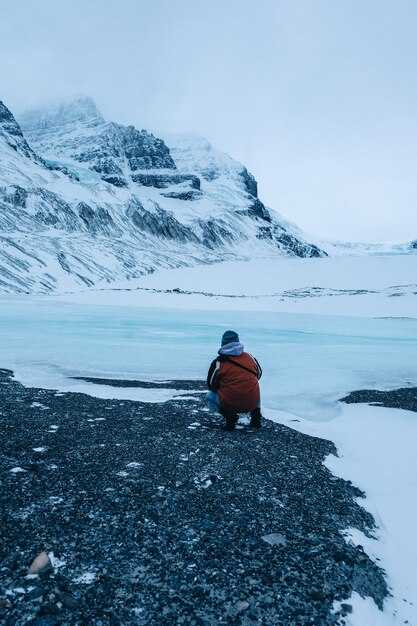
Book a morning whale-watching trip and reserve it before you land. Reykjavik’s waters wake early, and spots fill fast in peak season. This simple move guarantees you’ll meet whales off Faxaflói. Then, step away from the harbor bustle and wander toward a café where the sea breeze carries a salty smell and the promise of a quiet moment behind the crowds.
اتّبع لاوغفغور, Reykjavik’s main shopping street, where independent shops, design studios, and cozy cafés sit behind bright doors. Here the prices vary with the season, and most places accept card payments; you’ll rarely need cash, but it’s handy to have a little money for small stalls and markets. If you stroll along laugavegur, you’ll discover hidden courtyards and tiny cafés that stay off most maps.
Jump into a neighborhood pool like Laugardalslaug or Sundhöllin to reset after a day of exploring. The warm water, steam, and that sulfur smell create a بشكل مثالي relaxing moment, especially for a vacation day when you want to avoid the tourist crowds. You’ll also notice reasonable entry fees (roughly 1,000–2,200 ISK), which keeps it a good قيمة.
Seek a fissure of calm behind the busy streets–an alley that opens to a tiny courtyard with a vintage bookstore and a bakery. If you’re traveling with your husband, plan one riding excursion or sunset stroll along the harbor for a good balance of activity and rest. It’s the kind of moment that makes Reykjavik feel perfectly human and not overrun by crowds.
Peek into the city’s quieter corners behind the touristic frame: small galleries, bookshops, and a handful of eateries tucked behind brick facades. You may end up in a local pub hosting championships on weekends, and maybe you’ll join in the cheer. That scene shows a different Reykjavik: warm, unpretentious, and ready for a غطاء of stories rather than glossy posters.
Getting from airport Keflavík to the city center takes about 45–50 minutes by bus, with Flybus tickets typically around 3,700–4,000 ISK one way; taxis hover around 12,000–15,000 ISK. If you plan day trips, book bundles in advance to lock in prices and avoid last-minute surcharges, saving money for a vacation keeps going longer.
Believe in slow discovery: Reykjavik reveals more when you pace yourself, listen to locals, and maybe wander into small markets along laugavegur. These first impressions shape a vacation you’ll want to repeat, as door by door and conversation behind a storefront add up to a rich sense of place; you’ll believe that the city keeps offering new whispers at every corner.
Layer up: what to wear for rapid Reykjavik weather changes
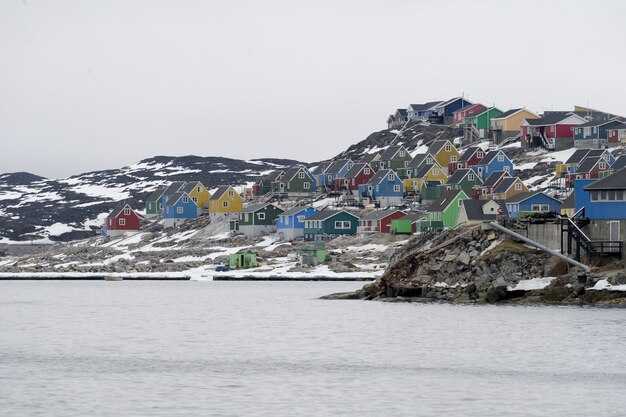
Start with one compact waterproof shell, one warm mid-layer, and one moisture-wicking base layer. These three pieces form the core set, and there are several versatile ones you can swap in depending on the day. This trio lets you adapt to abrupt winds and rain as you visit museums, grab kaldi between stops, and head to thingvellir day trips.
- Base layer: Merino wool or high-quality synthetic; long-sleeve top and leggings to manage moisture and stay warm.
- Mid-layer: Fleece or light down; aim for 200–300 g/m2 for reliable warmth without bulk.
- Outer shell: Windproof and waterproof with taped seams, adjustable hood, and pit zips for venting.
- Bottoms: Thermal tights under weatherproof pants; add rain pants for heavy showers or persistent wind.
- Footwear: Sturdy waterproof boots with good tread; thick socks and consider gaiters for slush.
- Accessories: Beanie, gloves, scarf or neck gaiter, sunglasses for glare, sunscreen for sunny spells.
- Extras: Packable down vest or light puffer for extra warmth when you pause outside; carry a compact umbrella if you dislike wearing rain shells indoors.
Weather in Reykjavik can flip in minutes. The temperature can swing several degrees between stops, and continental winds push gusts through streets and along the harbor. This situation calls for a smart list of layers you can adjust on the fly, whether you visit museums or pass through doors to a cozy kaldi café. Leave your bulky layers in your bag during milder spells, then pull them back on when the wind picks up. Literally, the right setup keeps you comfortable and lets you enjoy the stunning views without worrying about your gear.
Time your day: optimize outdoor plans for sudden sun, wind, and rain
Plan a core outdoor window for late morning to early afternoon when the sun is higher and the Atlantic wind lightens briefly. This window literally offers image-worthy light for coastal walks and saves you from fighting gusts that come off the sea. In Reykjavik, surprise weather can flip in minutes; other times deliver a calm, bright spell. Keep the plan flexible and save energy for the moments when the light hits above the water. If clouds threaten, duck into the doors of a cafe for 10-20 minutes to reset your pace. In winter, daylight is short and the sun arcs low, so you might catch a few extra bright minutes around noon. For the ones you walked earlier, you know where to find shelter; floating mist over the harbor can create a dramatic image if you catch it with a camera. However, if the forecast shifts, shorten the stretch and regroup.
ماذا ترتدي وتحزم
Layering is your friend: start with a breathable base, add a windproof shell, and top with a light, waterproof layer. You need warmth without overheating, so carry an extra layer that fits in a locker you keep at your hotel or hostel. Keep little gloves and a hat handy; even in late spring, a wild Atlantic wind can chill exposed skin. Don’t go naked to the elements; protect yourself with a lightweight but super protective outfit. With a small bag you can adjust quickly: one extra sock, a compact dry bag, and a spare dry layer. The Atlantic can surprise you; doors of sheltered spots become safe havens when showers drift in. For example, a quick 15-minute rain shower may pass, allowing you to resume, especially on days when the sun breaks through. If you went out earlier with a strong plan, you know when to pivot and step inside for a warm drink.
A sample Reykjavik day
For example, start around 10:30 near Harpa with a harbor stroll, then went along the waterfront to Sun Voyager to chase an image-worthy view. Your protectors against wind–hood, gloves, and a compact dry jacket–keep you comfortable as the light shifts. If the sun holds, continue to Grotta Lighthouse; if not, duck into a cafe for a hot drink and window shop. Within Reykjavik’s city limits and a population of around 140,000, you’ll share spots with others but still have space for your shot. This thing probably works best when you keep moving with the light, and you probably can manage 2-3 hours outside before you need a longer rest. The key is to move when the light is favorable, then step inside doors again for a quick recharge and back out as the weather shifts.
Hidden neighborhoods for authentic eats and peaceful strolls
Start in Vesturbær, a calm residential pocket within Reykjavik’s west. Look for family-run cafés along side streets for good coffee and simple Icelandic pastries. The best finds sit on quiet corners, not on busy avenues, and the image on their windows often hints at the day’s specials more than glossy advertising. This area is lovely for a slow morning, and you can combine your bite with a stroll along green avenues and small parks.
Vesturbær – hidden eats and calm lanes
Within a short walk you discover shops that focus on seasonal fish, lamb, and hearty soups. Many places operate with compact kitchens and serve dishes that feel genuinely local. Try a rye bread with butter at a bakery, then sample a bowl of fish soup or a warm skyr dessert. Whether you crave something continental or comforting Icelandic fare, you will find good options away from crowds. Tips: arrive before noon to catch fresher options and avoid the rush on weekends.
Coast and suburban lanes: strolling paths and continental bites
From Vesturbær head toward the coast to Nauthólsvík and into Grafarholt and Háaleiti for calmer streets and slower traffic. Here you can pair seaside walks with small cafés offering continental snacks, fresh salads, and robust coffee. The lagoon on the edge of the water adds a tranquil backdrop for a late lunch or an afternoon walk, and you can stop at a shop for regional dairy or bakery items. The neighborhood feels rural enough to be peaceful but close enough to city life to keep it practical. Whether you are looking for a quick bite or a longer snack run, these lanes offer good value and handy tips to plan a relaxed day, hence a satisfying end to a low-key Reykjavik excursion.
Offbeat, budget-friendly Reykjavik experiences locals love
Head to the harbor path behind Harpa to watch sunset over Grotta lighthouse, then soak in a thermal pool for an affordable, quintessential Reykjavik moment.
Here, a short stroll to the Sun Voyager and the Tjörnin loop gives free views and enough space to collect memories with little spend. If you wish for a slightly longer walk, Grótta lighthouse on the Seltjarnarnes coast is a rural detour located just a few bus stops away, and the sunset there often left visitors with calm, fresh impressions.
Stay in a room at a budget guesthouse; with a shared room you meet locals, and the situation is relaxed. Those chats bring news about pop-up markets, cheap eats, and easy bar nights that you wouldnt find in a guidebook.
If you want a bigger splash, Silfra snorkeling is often booked; book ahead and you will still find a good deal; those who booked early left space for others, making the trip possible for a few pockets of time.
For a rural break, venture to a nearby farm or valley; collect fresh air, see medieval farmsteads, and enjoy a simple kitchen in a rural guesthouse. This approach lets you taste Icelandic life without over-planning.
Winter changes the scene but not the options: daylight is short, yet Grótta and Laugavegur walks stay magical; fear of the cold wont stop you–dress in layers and you will stay warm while you roam. The theory that big splurges are needed is challenged here; locals prove you can enjoy Reykjavik with much less. The airport link keeps transit cheap, so you can max out your time here with little stress and enough budget to try something new.
Hidden gems and practical tips
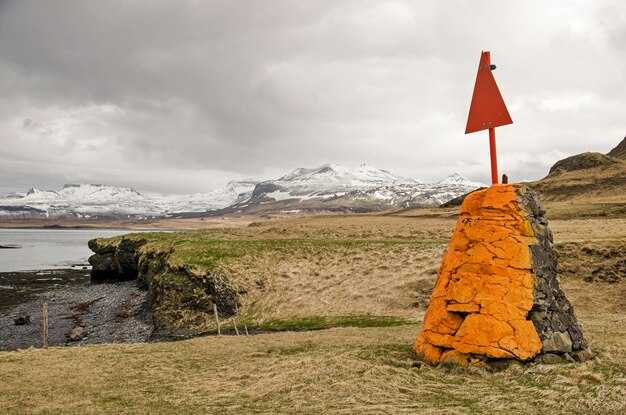
Here are fast, doable picks locals actually use: the Grotta hike, Sun Voyager, Grótta, and the medieval quarter. Check the local news boards for pop-up markets, bargain eateries, and free museum hours–these are often announced last minute, so arrive with a flexible plan and a ready list of options. If you wish to add a day trip like Silfra, book in advance; you will still find value even on a tight schedule.
Seasonal budgeting and planning
In winter, daylight is short; staying near the old town minimizes transit, and public pools provide a warm reset after a chilly day. Carry enough warm layers, skip expensive dinners in favor of grocery-store suppers, and you will find this city doable on a tight budget. If you wish to add a day trip like Silfra, book in advance; otherwise, the core Reykjavik experience remains rich, green, and doable here, with locals ready to help and the city left ready for exploration.
Weather hacks: sheltered spots and geothermal pools to beat the chill
Head to Laugardalslaug after lunch: indoor pools, a heated outdoor geothermal lagoon, and wind-blocking walls that turn a chilly day into a cozy soak. Prices hover around 1,000–1,400 ISK, and you can stay fully warm between dips. This icelandic spot is a budget option that locals love during winter, offering a pure, relaxed vibe.
Find shelter along Laugavegur and near Tjörnin Park: wind is softened by arcade facades and hedges, so you can enjoy a little sun without shivering. Notice boards at each pool outline hours and rules, helping you plan the calm moment you need between credits of city life.
If you’re riding a bike along Laugavegur, a short detour to Nauthólsvík Geothermal Beach Pool pays off: warm seawater and a sunlit edge make a quick, memorable recharge in a brisk day. The water is natural and revitalizing, a signature icelandic experience.
A city break can pair indoor warmth with culture: Sundhöll Reykjavíkur and nearby museums offer cozy spaces between outdoor pockets. The medieval vibe around the old harbor adds texture to Reykjavik’s main streets, and you’ll find a comfortable climate indoors for a remarkable rest.
For a broader horizon, Silfra fissure adventures show a different kind of chill, but stay in mind as a counterpoint to the warmth of geothermal pools. If you want to keep the focus local, Laugavegur remains the line to follow for cafe hops, warm lights, and little discoveries that tells a distinct Icelandic story.
Shutterstock captures the mood of these spots, with crisp winter light, blue water, and cozy interiors that define a fine Reykjavik day.
| Spot | Why it helps | Best time | Notes |
|---|---|---|---|
| Laugardalslaug outdoor geothermal lagoon (main complex) | Wind breaks and heated water create a sheltered warm zone | Late afternoon in winter | Prices around 1,000–1,400 ISK; bring a robe |
| Sundhöll Reykjavíkur indoor pool | Historic building with robust steam and warm corners | Evening | Compact crowd; check notice boards for hours |
| Nauthólsvík Geothermal Beach Pool | Sea + geothermal warmth, natural feel | Wind permitting | Outdoors, tides can affect conditions |
| Tjörnin Park sheltered benches | Hedges and walls cut wind; quick sun breaks | Midday | Free to use; ideal for a tiny warm pause |