


 አማርኛ
አማርኛ  English (UK)
  Русский
  বাংলা
বাংলা  العربية
  日本語
日本語  한국어
한국어  Magyar
  Norsk nynorsk
  Türkçe
  עִבְרִית
  Español
  Čeština
  Svenska
  Português
  Ελληνικά
  Suomi
Suomi  Nederlands
  Română
  Italiano
  Français
  Polski
  Українська
  Deutsch
  简体中文
简体中文  Slovenčina
  Српски језик
  اردو
اردو  Azərbaycan dili
  O‘zbekcha
 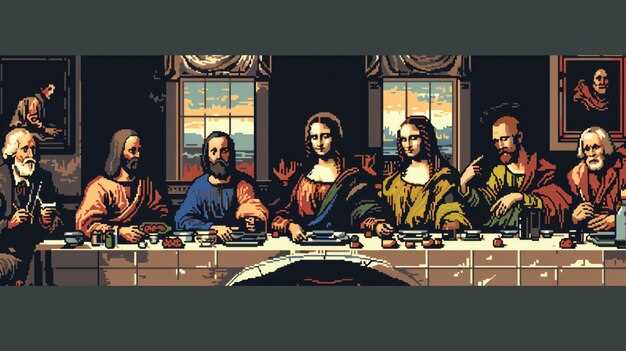 ድንቅ እውነታዎችና ምሥጢራት ስለ ዳ ቪንቺ የመጨረሻው እራት">

Begin by examining a high-resolution view of the wall painting in Santa Maria delle Grazie, Milan, and note the base material that supports Leonardo’s scene. This practical check gives you a solid foundation for reading the composition and helps you separate craft decisions from the wear accumulated across centuries.
Although the composition reads as a linear moment, it hides dynamic drama. Observe how Jesus sits at the center while the apostles react in varied postures and expressions. A careful look may reveal subtle cues about relationships, roles, and the tension that erupts at the moment of revelation, inviting you to read the scene with fresh attention.
Across decades, humidity and handling affected the surface, prompting rounds of stabilization, cleaning, and tonal adjustments so the viewer can read the scene with clarity. The restoration work has involved numerous visits by specialists who documented techniques and risks for the underlying wall base, ensuring the painting remains legible to new generations.
For readers aiming a practical takeaway, compare a museum-facing photograph with archived studies and restored images. Learn to identify how lighting changes across the day, how the spacing between figures guides the eye, and how context from the patronage shapes interpretation. When you plan a visit, check the latest conservation bulletin and allocate extra time for a close look at the edges where pigments respond to air and humidity.
Two quick actions: first, study reputable sources that present high-detail diagrams of the composition; second, when possible, view the piece in person and sketch the relationships among figures. By combining direct observation with documented revisions, you gain a practical sense of how this iconic wall piece has endured and what it reveals today about Renaissance collaboration and the care required to sustain a fragile cultural asset.
Practical Numerology in Da Vinci’s Last Supper: How to spot and verify hidden numbers
Start with a concrete check: they form a 13-part frame. Jesus and the apostle circle around him, and the lines on the table serve to depict a 13-part frame. Although mary is not depicted in this moment, the number motif remains a focus when you map positions and gaze lines. This is the typical forward cue for numerology in the scene, and you can verify by counting each figure and the space they stand in, which also helps you find a clear part of the pattern. They were arranged to guide the eye toward the center, and count them to confirm the 13.
To verify, use a high-resolution photo and map the image with a measurement mindset. Draw the central axis through Jesus’s head and follow the diagonal toward the far wall; times of spacing often align to subtle ratios. Usually, the distance from one apostle to the next is consistent enough to reveal a pattern, and without strict counting you may still sense it. Later, compare with analyses that laszlo received from archives or catalogues to see if they reported a similar read of the same cue. Evaluate each piece and how they interact to confirm the pattern among them.
Focus on details that usually carry a numeric cue. The nail lines on the apostles’ hands converge toward a common denominator, and the proportional length of noses and eyebrows can form a rhythm that almost repeats. Note the nose of the central figure aligns with the guiding line, which helps you anchor the pattern. These piece‑level cues usually stand out when you examine the person at the far end of the line. The idea is not to jump to a verdict, but to test whether the arrangement actually follows a deliberate sequence rather than random placement, and to seek the secrets behind the arrangement.
Check for secrets in the layout: the apostles on either side mirror each other in two balanced groups, hinting at greater symmetry and a possible royal motif. The idea is that the artist used standard perspective to guide the eye toward the central figure, which is actually Jesus. Later analyses reveal how the two wings balance the composition; sometimes the arrangement was altered by restorations, which can be tested with a careful overlay on a recent photo. Judas’s moment of betrayal may influence how the figures cluster and the gestures point toward a shared denominator. The result is a pattern that holds across times and places, sometimes confirmed by studies from the world over, and by comparing several photo references.
Bottom line: document every step so you can repeat it, and report what you find as a hypothesis rather than a claim. The method starts with the 13-part layout and 12 apostle figures, and the test involves cross-checking with other copies the world over. If the numbers stay consistent across pieces and the stand of each person lines up with a shared ratio, you have a reason to consider a deliberate pattern, not a coincidence. Remember the eyes and the hands–they carry the most telling cues about where the secrets lie and how to verify them, and you can actually prove the idea by meticulous measurement and comparison with photo references.
Central triangle: how the 3-fold composition guides the eye to Jesus
Focus your gaze on the central triangle by tracing how three groups of figures and the table edge converge toward Jesus; when you do, the eye reaches him and rests there, ready to take in the narrative that unfolds around him.
- Structure and apex: Christ sits at the center, forming the triangle’s apex. The apostles on his sides tilt inward, creating a stable three-point balance that guides the viewer’s attention toward that focal figure.
- Lines and perspective: The long diagonals of the table, the limbs of the apostles, and the ceiling beams recede to a point behind Jesus, acting like a nail that fixes the path of vision to the center.
- Shadows and color: Subtle shading around the figures creates volume, while lighter highlights on Jesus’s face contrast with the richer tones of the others; silver touches on the tableware add a gleam that reinforces the central axis.
- Narrative weight and betrayal: Judas sits slightly apart, a visual cue for betrayal that heightens the drama; the others react with gestures and saying about the moment, reinforcing the central message and the christian core of the scene.
- Context and viewing: milano-museum practices show how the technique plays out in person, and laszlo scholars note that the arrangement works as a mural you can enjoy in-person; that combination makes this a genuine masterpiece for everyone.
- Zodiac-inspired balance: the threefold grouping echoes a cyclical rhythm that some analyses liken to a zodiac-like symmetry, reinforcing a universal sense of order within the scene.
Besides the formal design, the central triangle carries multiple aspects: together, the gaze, the posture, and the surrounding space create a coherent narrative frame. The result remains a masterpiece of paint technique, a mural that stands as a milestone in milano’s artistic heritage and in Christian storytelling – a scene that you can study closely in the museum or online, and that many enjoyed for its clarity and restraint.
Guest count and seating: 12 apostles around Jesus and the implied 13
Count 12 apostles around Jesus; the implied 13th is the viewer, invited to share the moment through perspective created in the 15th century.
The seating forms four clusters of three along the long table, with Jesus himself at the center. Judas sits on Jesus’ right, his body language and gaze setting a moment of potential betrayal. Bartholomew appears in one cluster, while Peter, John, and the others fill adjacent seats. Each grouping reinforces the tension of the saying that one among them will betray the teacher.
The scene depicts a dynamic shift as wine is sipped and conversations surge; although the composition is dense, it makes room for individual reaction. This tension helps depict the moment more vividly. The body language of each apostle communicates meanings; some lean forward, others pause, and Judas’s nose and profile draw attention. The tipped heads, the hands, and the direction of gaze help the viewer find meanings that critics have debated for centuries. The composition remains a powerful statement about loyalty, love, and impending betrayal, even as damaged plaster and pigment remind us of age and restoration needs.
To check the idea of a hidden 13th, consult laura, an expert who has been studying the painting’s geometry. Her thought process and analysis created a framework that helps readers see how Leonardo created balance and how the implied 13th arises from the viewer’s position. In her words, the Bartholomew cluster and the others’ reaction around the table suggest human tension rather than a silent, static moment. The love and trust among the apostles remains central, while the painting continues to invite fresh interpretation about what the 13th guest represents and how the painting depicts truth through gesture and space. This statement, though widely debated, invites ongoing discussion.
Architectural cues: four elements framing the scene
Focus on four architectural cues that frame the scene and guide the viewer toward the central moment of the depiction. First, the lines of ceiling beams, wall cornices, and the long table converge toward a vanishing point behind Jesus, through which the eye is drawn to the central figure. This renaissance arrangement reflects the artistic aim of the period: to render a balanced portrayal through precise perspective, a hallmark of the painting’s depiction as part of the renaissance theme. Scholar marani notes a numerological nuance in the apostles’ spacing, while olson highlights the social tension around judas; though some readers view it as omen, others treat it as formal device. The effect is a ready path to the moment when the apostles eat together, with thomas and others engaged while judas sits apart.
Second, the ceiling coffers and beams create a rhythm that frames the scene; the lines and light angles carve a grid that carries the eye along the figures toward Jesus’s finger in blessing. This trick of light and geometry reinforces the portrayal as a controlled paint of a single moment, echoing artistic conventions of the time. The interplay of shadow and glow helps the viewer come closer to the emotional pulse of the scene, making the act of eating feel intimate within a grand architectural frame.
Third, the back wall behind the diners offers a court-like backdrop: a central door flanked by arches and a row of windows, forming a full court view that stabilizes depth and emphasizes the moment. The symmetry here acts as a stage extension, so what you see is not just figures but a structured theatre in which every apostle’s stance is read against the same architectural line.
Fourth, the long table itself functions as a horizontal frame that intersects with the architectural cues, dividing the apostle group and guiding the gaze along the same lines across the scene. Judas appears on the edge of the discourse, while thomas and others participate in the dialogue of the meal; the arrangement invites a close look at how the portrayal communicates trust, tension, and the impending betrayal through composition, color, and rhythm. If you come to this painting with curiosity, you’ll notice how the four elements work together to tell what the space means beyond the individual faces.
Color codes and symbolics: blue, red, and gold as numerological markers
Begin with blue, red, and gold as a practical guide: map where these colors appear across the scene, then check how the tones align with a depth of meaning.
Blue robes and shadows frame the figures, creating depth and ascent within the church setting in italy, where Leonardo placed cooler hues toward the back and warmer tones toward the foreground, almost like a coded map and a santa iconography guiding the gaze.
Red accents highlight gesture and emotion, drawing the eye to key interactions, while gold highlights mark sacred light and the divine flare that threads through the composition, guiding the viewer through a threefold reading of the moment and thought about the message behind the scene.
olson notes from the archives show the original palette leaned toward restrained blues and earthly ochres, with gilded touches added in later restorations. marani’s team tested these contrasts against the current paintings, guiding careful comparison between what was received and what survived in the restorations.
እዚ ኣገባብ ንቕድሚት ንምስፋሕ፡ ነቲ ሕብርታት ብዘይ ኣድላዪ ምትንካፍ ብምስሊ መርምር፡ ነቲ ኣብ ጸጋም ዘሎ ሰማያዊ ጽላሎት ምስቲ ኣብ ማእከል ዝርከብ ወርቃዊ ነጸብራቕ ኣነጻጽር፡ ከምኡ’ውን እዞም ምልክታት እዚኣቶም ከመይ ጌሮም ብዘተኣሳሰርዎ ተኸታታሊ ስራሕ ዓይኒ ከም ዝመርሑ ይጻረዩ። ኣብ ጣልያን ዝርከቡ ሙዘየምን ቤተ ክርስትያንን ነዚ ትዕዝብቲ መበገሲ ሓሳብ ይህቡ፡ እዚ ከምዚ ኢሉ እናሃለወ ድማ፡ እቲ ናይ ሊዮናርዶ ቀዳማይ ሓሳብ ንተመሳሳሊ ስራሕቲ ንምጽናዕ ሓጋዚ መወከሲ እዩ።.
የቀለም ኮዶች ስለዚህ ተመልካቾች በምድር ላይ ያለውን ትልቅ ሥርዓት እንዲመለከቱ የሚረዱ የቁጥር ጠቋሚዎች ሆነው የሚያገለግሉ ሲሆን ጥልቀት፣ እምነት እና ሰውን ማገናኘት ያረጋግጣሉ። ይኸው አመክንዮ በከተማው ውስጥ እና በቤተክርስቲያኒቱ ወግ ውስጥ በዚህ ሥዕል ላይ ስለሚደጋገም, የቀለም ቋንቋ ትርጉም ከገጽታው በላይ የሚዘልቅበት ተግባራዊ መሣሪያ ያደርገዋል።.
ዘጠኝ ሊረጋገጡ የሚችሉ ዝርዝሮች በአካል ወይም በከፍተኛ ጥራት ምስሎች ማረጋገጥ የምትችሉት
በስዕሉ ላይ የሚታዩት ሰዎች ቅደም ተከተል እንዲህ ነው፤ ኢየሱስ በመካከል ተቀምጧል፤ ዐሥራ ሁለቱ ሐዋርያት ደግሞ በየጎኑ በሦስት ቡድን ተደርድረዋል። ጥራት ባለው ፎቶ ውስጥ ሰዎቹን መቁጠር፣ የየራሳቸውን ቦታ ማረጋገጥና የእጅ ምልክቶቻቸው ትኩረትን ወደ ቃለ ምልልሱ እንዴት እንደሚወስዱ ማየት ይቻላል። ይህ የመጀመሪያ ማረጋገጫ ሊዮናርዶ ለዚህ ትዕይንት ሥዕሎች የመረጠውን ቅደም ተከተል ያረጋግጣል።.
መርመራ የአሸዋና ቀለሙ: ንጣፉ በአሸዋ ላይ ያርፋል፤ ክፍሎቹ ላይም በኋለኞቹ ጽዳቶች ወቅት ጉዳት ደርሷል። የቀደሙት እድሳቶች ጠርዞችንና ቀጫጭን መስመሮችን ቀይረዋል፤ ስለዚህ ጥራት ባለው ምስል ላይ ወይም ሙዚየሙን ለቅርብ እይታ በምትጎበኙበት ጊዜ ደካማ የሆኑ ንድፎችንና የተስተካከሉ ምልክቶችን ተመልከቱ።.
በይሁዳ ክህደት ፍንጮች ተመልከት፡ ይሁዳ በተወጣጠረ አቋም ተለይቷል፣ በአንዳንድ እይታዎች ደግሞ ትንሽ የገንዘብ ቦርሳ በጠረጴዛው ላይ ይታያል። ግልጽ በሆነ ፎቶ ውስጥ ያንን ዝርዝር ማረጋገጥ እና የክህደት ጊዜ ሲገለጥ ይህ ሰው ለምን ጎልቶ እንደሚታይ ማየት ይችላሉ።.
ትኩረት የሚሹ የምግብ ጭብጦች፡ ሐዋርያት እንጀራና ወይን ሲካፈሉ ጦፈ፤ መመገብ ድርጊቱ አፍታውን ቢያጠብቀውም የስዕሉ አጽንዖት ግን በሰዎቹ የጋራ ምላሽ ላይ ያተኩራል። በቅርብ ርቀት የሚታዩትን ሳህኖችና ኩባያዎች ቁጥር በመቁጠር እነዚህ ንጥረ ነገሮች በሥዕሎቹ ላይ ከሚታወቀው ንድፍ ጋር የተስተካከሉ መሆናቸውን ማረጋገጥ ያስፈልጋል።.
የተደበቁ ረቂቅ ሥዕሎች አንድ አነስተኛ ታሪክን ያሳያሉ፡ የዝግጅት ንድፎች በፕላስተር ሥር የሚገኙ ሲሆን ይህም ሊዮናርዶ በሂደቱ መጀመሪያ ላይ አቀማመጦችን እና ግንኙነቶችን እንዴት እንደቀየረ ያሳያል። በኢንፍራሬድ ወይም በከፍተኛ ጥራት መዛግብት ውስጥ፣ ኦርጅናሌ መስመሮችን መመልከት እና በግድግዳው ላይ ከሚታየው ጋር ማወዳደር ይችላሉ።.
ቦታውና ሥፍራው ድራማውን ይደግፋሉ፤ የሕንጻው ጀርባ ትኩረትን ወደ መካከለኛው የሰዎች ስብስብ በሚመሩ መስመሮች የተረጋጋ ውስጣዊ ገጽታን ያሳያል። የታሰበውን ገጽታ ለማረጋገጥና ሁኔታውን እንዴት እንደሚያሳይ ለማረጋገጥ ከፍተኛ ጥራት ባለው እይታ የዓይን አድማሱንና የመስኮት ክፈፎችን ይመልከቱ።.
ትልቅ ወይም ትንሽ የፊት ላይ አጽንዖት፡ አንዳንድ ምስሎች ከሌሎቹ የበለጠ እንቅስቃሴ ወይም ስሜት ያሳያሉ - ሆን ተብሎ የተደረገ የጥበብ ምርጫ። የበለጠው ጥንካሬ ወደ ኢየሱስ እንዴት እንደሚመራዎት፣ ትናንሾቹ መግለጫዎች ደግሞ ጥንቅሩን በቀስታ እንዴት እንደሚያመጣጥኑት ያስቡ።.
ሙዚየም ኣገባብን ምርኣይን፦ ናይ መወዳእታ ድራር ኣብ መመገቢ ክፍሊ ናይ ሳንታ ማሪያ ዴሌ ግራዚየ ይርከብ፣ ቁጽጽር ዝግበረሉ ብርሃንን ምክልኻልን ኣለዎ። ኣብቲ ቦታ እናተመላለስካ፣ ካብ ርሑቕ ክትዕዘቦ ዘይትኽእል ኣንግልታት ክትዕዘብ ትኽእል፣ ምስቲ ብኣካል እትዕዘቦ ንምውድዳር ወግዓዊ ናይ ስእሊ መዛግብቲ ተጠቐም፣ ዝርኣዩ ዝርዝራት ከኣ ብብርሃን ከምዝፈላለዩ ዘክር።.
ተግባራዊ የማረጋገጫ ጠቃሚ ምክሮች፡ እነዚህን ፍተሻዎች ስታጠኑ ስፍር ቁጥር የሌላቸው ትናንሽ ፍንጮች ብቅ ይላሉ። በስዕሉ ስር ያሉትን የተወሰኑ መስመሮች ይፈልጉ፣ ከፍተኛ ጥራት ያላቸውን የፎቶ ማመሳከሪያዎች ከሙዚየም ማስታወሻዎች ጋር ያወዳድሩ፣ እና የገንዘብ ዝርዝርን፣ የክህደት ፍንጭ እና የምግብ ምልክትን ያቋርጡ። በአዲስ አይኖች አስቡባቸው እና ትርጉማቸውን በመተርጎም የበለጠ በራስ መተማመን ታገኛላችሁ።.