


 አማርኛ
አማርኛ  English (UK)
  Русский
  বাংলা
বাংলা  العربية
  日本語
日本語  한국어
한국어  Magyar
  Norsk nynorsk
  Türkçe
  עִבְרִית
  Español
  Čeština
  Svenska
  Português
  Ελληνικά
  Suomi
Suomi  Nederlands
  Română
  Italiano
  Français
  Polski
  Українська
  Deutsch
  简体中文
简体中文  Slovenčina
  Српски језик
  اردو
اردو  Azərbaycan dili
  O‘zbekcha

The Château de Versailles stands as a ሀውልት to the ambition and grandeur of French royalty. Its history is not just a tale of opulence, but also a reflection of the political and cultural transformations that have taken place over the centuries. Originally a modest hunting lodge for Louis XIII in the early 17th century, it evolved into an extravagant residence, embodying the ideals of taste and power. Over the years, its sprawling gardens and intricate interiors have adorned the lives of kings and queens, serving as a backdrop for significant historical events.
When one walks through the magnificent gardens and majestic halls of Versailles, it is impossible to overlook the influence of those who once walked these grounds. The palatial estate was not only an abode for royalty but also a center where politics and art converged. The renovations initiated by Louis XIV transformed it into a symbol of absolute monarchy, where his successors, including Napoleon, would also reside. Today, visitors can engage with the legacy of Versailles, from the famous Hall of Mirrors to the alluring Trianon gardens, which mirror the opulence of the era.
Although the Château has undergone numerous reconstructions, its early days still resonate in the stories and anecdotes shared by guided tours, offering insights into the lives of its inhabitants. Events such as the signing of the Treaty of Versailles marked pivotal moments in history, while the grandeur of the Apollon Fountain and the serene basins invite public admiration. For those interested, options for exploring the grounds include both bicycle tours and leisurely golf outings, allowing a modern audience to traverse the once-private landscape where kings and queens flaunted their wealth.
The Architectural Significance of the Queen’s Apartments
The Queen’s Apartments at the Château de Versailles, originally constructed for the former sun king Ludwig XIV, represent a remarkable blend of opulence and functionality that has graced the royal family for centuries. This architectural masterpiece, expanded significantly over the years, reflects the refined taste of Queen Marie Antoinette, showcasing intricate details that embody the royal lifestyle. The layout is designed to serve as both a private retreat and a venue for official gatherings, where the queen could display her power and elegance. Visitors can explore the delicate ornamentation that adorns the walls and the exquisite furniture that fills the spaces, each piece telling a story of its own and satisfying the aesthetic desires of a bygone era.
Located on the garden side of the palace, the Queen’s Apartments include several noteworthy features such as the charming private gardens where the former queen enjoyed leisurely strolls. Restorations carried out since the revolution have ensured that the beauty remains intact for the public to experience. The light-filled spaces provide a glimpse into the life of royalty at that time, where the influence of her father and her son can be felt in every corner. Historical guides often point out that the grandeur found in the detailed mirrors and opulent decorations is not merely for show, but serves as a testament to the power dynamics at play within these walls. Each visit to the Queen’s Apartments allows one to marvel at the richness of French history while appreciating the artistic brilliance that has been preserved for generations.
Design Elements of the Queen’s Rooms
The Queen’s Rooms at the Château de Versailles are an exceptional representation of 18th-century French architecture and design. These spaces were not merely private quarters; they served as cultural symbols that reflected the hierarchy of the French court. Designed under the supervision of André Le Nôtre, the gardens surrounding the rooms complemented the grandeur within, allowing visitors to appreciate the seamless connection between the interior and exterior. Each design element plays a role in conveying the opulence of the monarchy, making these rooms unforgettable highlights of the palace.
One of the most striking features is the use of mirrors, especially prominent in the famous Hall of Mirrors (Galerie des Glaces). This room is adorned with grand chandeliers that capture and reflect the natural light, creating an almost ethereal atmosphere. The mirrors symbolize both luxury and the power of the monarch, illustrating how light and reflection contribute to the overall aesthetic experience of Versailles. This connection between symbolism and design continues to fascinate both casual visitors and architectural enthusiasts.
Marie Antoinette’s personal quarters, designed as an intimate retreat, have their unique design language. The interiors are characterized by pastel colors and intricate details, conveying a sense of comfort and elegance. Unlike the grand, more formal areas of the palace, these spaces were designed for private enjoyment and leisure, offering a glimpse into the personal life of the queen. Through the careful selection of furnishings and decorations, every element of these rooms has been preserved to reflect her style and personality.
The architectural style of the Queen’s Rooms also showcases the influence of the Louis XVI period, where elements like the Mansard roof became popular. This design choice provided not only aesthetic appeal but also functional benefits, creating additional living space without compromising the building’s elegance. The extension of these rooms illustrates a shift towards a more relaxed and comfortable lifestyle for the royal family, blending formality with personal comfort.
In the context of cultural heritage, the restoration efforts at Versailles have been crucial. Despite the challenges, such as maintaining the original design integrity, these projects have successfully returned these rooms to their former glory. Visitors can now tour these exquisite spaces, allowing them to experience the grandeur of the palace firsthand. During these tours, one can appreciate elements like the ornate fabrics and gilded details that symbolize the rich history of the French monarchy.
Ultimately, the design elements of the Queen’s Rooms not only represent the aesthetic tastes of the time but also serve as a testament to the legacy of the French court. Each feature, from the choice of materials to the layout of the gardens, contributes to a narrative of elegance and power. As one navigates through these intriguing spaces, the story of Versailles unfolds, showcasing its role as a cultural hub that has endured through the ages, captivating all who visit.
Influence of Italian Renaissance on French Architecture
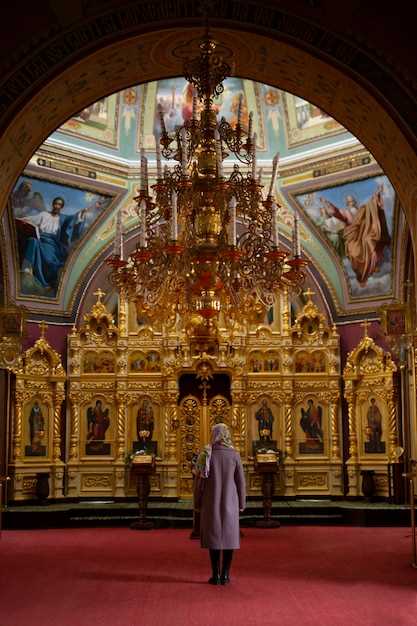
The Italian Renaissance had a profound impact on French architecture, especially during the reign of Louis XIV, who is often referred to as the “Sonnenkönig.” The grandeur of his era saw an amalgamation of styles, where the classical principles of symmetry and proportion introduced by Italian architects found a new expression in the French landscape. The transformation of French architecture was not merely an imitation of Italy but rather a merging that created a unique cultural identity.
Architects such as André le Nôtre and François Mansart became key figures in this movement, incorporating the elegant features of Italian designs while keeping in mind the preferences of the French nobility. The use of columns, domes, and intricate façade designs evident in designs like the Château de Versailles illustrate this cross-cultural blend. However, the essence of the French style can still be distinguished in the refined taste and specificity of details that became the hallmark of this period.
One of the most intriguing aspects of this architectural evolution is how existing structures were transformed. For example, the previous medieval castles were renovated to reflect Renaissance ideals, adding features such as wider windows and ornate decorative elements. The former simplicity of châteaus gradually gave way to the complexity of a new design ethos, showcasing the influence of the Renaissance artists while still adhering to local traditions.
Moreover, the use of light and space became essential elements in these architectural creations. The expansiveness of the rooms within the Château de Versailles, particularly in areas like the “Schlafzimmer” and “Schlosskapelle,” echo the Italian emphasis on open spaces that fostered a sense of grandeur and opacity. This is evident in the sweeping staircases and grand halls, which not only serve functional purposes but also embody the cultural aspirations of the people of the time.
Interestingly, the integration of Italian designs was not without its critics. Some traditionalists argued that such influences marred the authentic French character of buildings. Nonetheless, the desire for innovation and beauty prevailed, leading to a vibrant architectural scene that appealed to the growing bourgeoisie and nobility. The Renaissance ideals became, therefore, a means of expressing power and prestige, evident in the lavish “Märchenpalast” style that captured the imagination of the people.
The architecture of the period thus served as a symbol of cultural exchange. The Italian Renaissance made its mark in France not only through adaptations in aesthetic but also in the very approach to building. Architects, who were often held in high regard as visionaries, played a pivotal role in this transformation. They were responsible for ensuring that new designs adhered to a rigorous контроля of artistic norms, even as they embraced innovative techniques.
In conclusion, the influence of Italian Renaissance on French architecture illustrates a fascinating chapter in the evolution of design. It shows how cultural and historical contexts can merge to create something entirely unique. The legacy left by this period resonates even today, as modern architects continue to draw inspiration from the works of their predecessors, ensuring that the stories of these magnificent structures live on. For a closer look, consider exploring the numerous guided tours available on platforms like TripAdvisor, where their history and artistry can be fully appreciated.
Restoration Efforts Through the Years
The Château de Versailles, with its grand architecture and rich history, has undergone numerous restoration efforts since its inception. After King Louis XIV, known as the “Sonnenkönig,” transformed the hunting lodge into a majestic palace, the need for preservation became evident. If no action had been taken, nothing of this magnificent structure would have survived the ravages of time. Today, architects and historians continue to work diligently to ensure that the legacy of Versailles is maintained for future generations.
One notable phase of restoration occurred in the early 20th century when an extensive two-year project aimed to restore the Grand Gallery to its former glory. This effort was marked by significant costs but was essential to halt the decay that had started to affect the integrity of the building. The work undertaken was meticulous, using historical documents and anecdotally gathered evidence to reconstruct details that may have been lost through time.
Moreover, the private gardens of Versailles have also seen transformation and revival. The original designs, crafted by the landscape architect André Le Nôtre, were often in urgent need of restoration to reflect their initial splendor. These gardens, with their geometric parterres and manicured hedges, not only enhanced the beauty of the Château but were essential for the royal family’s outdoor gatherings, allowing them to enjoy a peaceful retreat beside the grandeur of the palace.
Efforts to restore the Chapel of Versailles, or “Schlosskapelle,” have included careful restoration of its stunning Baroque elements. Every meter of this sacred space was inspected to ensure that historical integrity was maintained while integrating modern controls to prevent future deterioration. Each restoration highlights the intricate craftsmanship of the time, allowing visitors to experience the opulence of a bygone era.
More recently, community involvement in the restoration projects has increased, with public tours and advertising campaigns designed to educate everyone about Versailles’ history and ongoing preservation efforts. Visitors can now appreciate not just the magnificent façade but also understand the stories behind every restoration effort. Every corner of the palace, from the Galerie des Glaces to the lesser-known rooms, offers insights into the lives of those who resided there, including anecdotes related to Queen Marie-Antoinette and her family.
As restoration progresses, the Château continues to be a place that not only reflects French history but serves as a symbol of resilience. The work carried out at Versailles ensures that this historical site does not remain a relic of the past but continues to be a vibrant, living monument. The efforts undertaken to maintain this UNESCO World Heritage Site illustrate the power of history and the dedication to ensuring that future generations will know and appreciate the extraordinary legacy of the Château de Versailles.