


 አማርኛ
አማርኛ  English (UK)
  Русский
  বাংলা
বাংলা  العربية
  日本語
日本語  한국어
한국어  Magyar
  Norsk nynorsk
  Türkçe
  עִבְרִית
  Español
  Čeština
  Svenska
  Português
  Ελληνικά
  Suomi
Suomi  Nederlands
  Română
  Italiano
  Français
  Polski
  Українська
  Deutsch
  简体中文
简体中文  Slovenčina
  Српски језик
  اردو
اردو  Azərbaycan dili
  O‘zbekcha
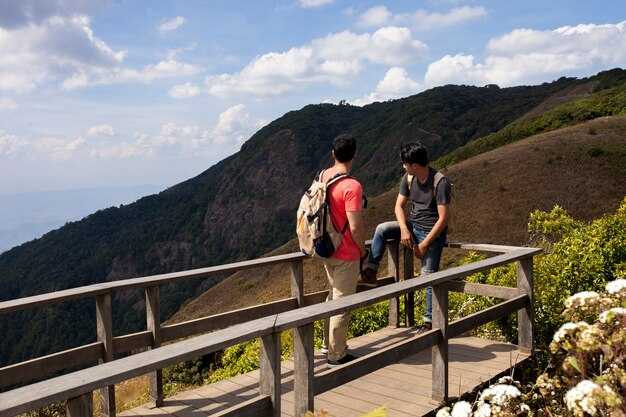
Meet at sunrise at a cliffside starting point to maximize light, safety, and immersion. A meeting window aligns arrival with sunrise, minimizing crowding. Arrival routes are precise: bus or train to harbour district, followed by a brief shuttle to starting point. Early timing keeps crowds low and guides aligned with most sections ahead of strong winds, helping participants stay safely.
Packing checklist guides participants. Pack light layers, a windproof shell, a compact first aid kit, snacks, and water bottle with capacity at least 0.5 liter per hour. A detailed map, printed or offline, plus spare power helps navigation along side ridges. For a touch of local flavor, include wcheese for breaks; children appreciate small treats; option exists to tailor packs for families. All packing should emphasize safety and low impact.
Geological history unfolds through basalt columns, ancient lava flows, and rugged fault lines. Guides share history of settlement along coastline and how protection measures safeguard nesting birds and a potential whale sighting near open water. Participants can expect a very immersive experience that touches heart toward nature, especially for children when pace allows. Most participants assign a high rating for scenery, safety, accessibility, and educational value.
Be cautious about misinformation or false shortcuts; avoid paths offered by unverified operators. Lies about shorter routes or faster timings undermine safety; group tours operate with licensed guides, with documented safety protocols and robust environmental protection commitments.
Participants from varied ages, including children, enjoy steady climbs along sea cliffs; most sections rate easy to moderate; option exists for alternative routes that reduce elevation. Meeting point details, packing guidelines, and safety briefings are provided in advance, along with a detailed map and a clear promise that all actions stay within protected zones and respect wildlife habitats.
Heart of this journey rests on immersive contact with geology, sea, and birds; participants leave with renewed appreciation for history and a deeper sense of place. Safety mechanisms keep travel aligned: weather aware planning keeps edges avoided during high wind, water stations placed along main loops, and locals coordinate with conservation teams to protect nesting sites and minimize disturbance to wildlife. This experience delivers a genuine, satisfying rating and offers opportunities for whale and seabird viewing from vantage points.
Trail Difficulty and Recommended Fitness Levels for the Azores Tour
Recommendation: choose a moderate route to enjoy steady progress and keep fatigue manageable; this option covers 6–8 km with 250–400 m elevation gain, and time estimates range 3–5 hours. A full-day variant is available that covers 12–14 km with 500–650 m climb.
Difficulty tiers include easy, moderate, and challenging paths, each with distinct distance and elevation. Easy paths cover about 2–4 km with 100–200 m gain and suit beginners; moderate routes cover 6–8 km with 250–400 m gain and fit travelers with steady cardio. Challenging tracks stretch 10–14 km with 500–650 m gain, including lava domes, basalt stairs, and gusty ridges. Time estimates vary: easy 1.5–3 hours; moderate 3–5 hours; challenging 5–8 hours. Average pace on rough terrain is roughly 3–4 km per hour; plan to pause at lagoa viewpoints for brief rests.
Fitness guidance: average fitness with regular cardio and trekking experience fits moderate routes; those with limited training should schedule 6–12 weeks of preparations, including long brisk walks and stair work; ensure you are prepared with proper footwear, weather-appropriate clothing, and hydration; planning ahead improves readiness and availability of slots.
Navigation and support: expert local mentors help adjust pace and navigate shifting conditions; knowledgeable guides will tailor choice of routes to fitness and weather, keeping safety at front while you enjoy.
Facilities and logistics: restroom locations appear along certain segments; expect water refill points, shaded rests, and portable toilets during longer loops.
Value and planning: price reflects guide expertise, risk management, and included features such as wildlife observations; chance to spot whale during coastal segments; excursion packages may include visits to lagoa, domes, and wine experiences; money saved by booking early; traditions of local communities add cultural depth.
Age Eligibility and Family-Friendliness on Terceira Island Trails
Begin with a moderate option suited for most families: a 3–5 km circuit with gentle grades, shaded sections, and benches for comfortable rests.
Children aged five to twelve often participate when an adult remains within arm’s reach; younger participants benefit from flat, stroller-friendly stretches.
Choose routes covering woods and scenic landscapes; maps show radius for each segment and note difficulty.
Health priorities include hydration, sun protection, and tasting stops with fruit or snacks; protection against insects along shaded area segments enhances safety.
Participants should confirm insurance coverage before joining; waivers may be required by operators, with a contingency plan for emergencies.
Radius-aware planning keeps routes near forts and lookout posts, within comfortable distances of facilities such as water and rest area markers.
Difficulty levels listed as easy, moderate, and hard; moderate suits most participants.
Other tips suggest asking guides about called routes, ensuring support from local rangers, and choosing options covering lower elevation gains for younger family members.
What to Pack and Wear for the Shared Hiking Tour
Begin with a compact 25–30 L daypack, leaving room for water, snacks, and a light wind shell.
Estimate 4-hour segments; expect variable weather along coastal sections and rocky outcrops, so versatile layers are essential.
Shoes suited to mixed terrain provide stability on slick rocks along coast.
Base-layer options include moisture-wicking synthetic or wool; add a mid-layer fleece and an outer rain/wind shell; breathable fabrics prevent overheating.
Water and nourishment: Hydration via water bottle or hydration bladder (2–3 L total); pack delicious snacks like nuts, dried fruit, or energy bars for several small portions to maintain focus.
Safety and comfort: Compact first-aid kit; headlamp or small flashlight; whistle; sun protection with SPF 30+, lip balm; hat; sunglasses.
Gear and navigation: Map or offline GPS, pocket compass; spare batteries; windproof hat for cooler moments.
Photography and wildlife: Camera or phone with protective case; keep lens clean; consider a compact telephoto lens if allowed; avoid chasing or startling wildlife; follow local guidelines near seabirds and marine mammals.
Geology and scenic stops: pause at key rock formations along gentle grades to spot color bands and volcanic rock; sebastião coast offers basalt columns and historic lookout points for memorable photos.
Distance and pacing: total distance around 10km; expected elevation gains modest; plan for several photo stops and a few pauses at viewpoints; some sections may require short transfers; check transfer schedule in advance with organizers.
Weather and practicalities: pack rain gear even on sunny mornings; wind can pick up near cliff edges; sun exposure near water intensifies glare; arrive prepared for occasional retreat breaks if needed; pre-arranged transfer details ensure smooth meetup.
Incorporation of local context: for cultural flavor along sebastião coast, expect historic quay scenes and reminders of carvão trade linked to past maritime activity.
Keywords to remember include carvão, compelling, 4-hour, focus, retreat, transfer, seek, water, most, whale, experiences, 10km, suited, specific, delicious, that, several, those, sebastião, wildlife, coast, planning, geology, weve, heroísmo, being, photo, historic.
Itinerary, Duration, and Meeting Point of the Azores Shared Tour
Book early; this compact outing fills quickly, especially those traveling with children, as guides who speak portuguese offer practical safety briefings and an active pace.
Itinerary highlights include coastal viewpoints with beautiful landscapes, inland lava fields, and baías along paths carved by volcanic activity. Expect an unpredictable mix of footpaths, boardwalks, and rocky stretches that keep those minds engaged.
Meeting point: municipal quay near old lighthouse, 08:15. Transportation from central lodging can be arranged; check with operator a day before. Duration is approximately 3.5 hours and covers around 4.5 km with 180 m of elevation gain.
| ክፍል | Approx. duration | መሬት | ማስታወሻዎች |
|---|---|---|---|
| Check-in & departure | 15–20 min | Quay area, paved | Meet at 08:15; briefing by guides |
| Coast viewpoints | 60–70 dəq. | Boardwalk, gentle grade | Beautiful coastlines; baías visible |
| የእሳተ ገሞራ ላቫ ሜዳዎች | 25–35 dəq. | ድንጋያማ፣ ያልተስተካከለ | ይጠቀሙ ጠንካራ ጫማ፤ ይመልከቱ የእግር አረማመጥዎን |
| piko aysayt | 15–20 min | ቀላል እስከ መካከለኛ አቀበት | መንገዲ ኣማራጺ ንተወሳኺ ምርኣይ። |
| ተመለሱ ወደ መገናኛ ቦታ | 10–15 dəq. | ደለልቲኻ ክሳብ ልስሉስ ውርደት | ይቋጫል በወደብ |
ሎጂስቲክስ፡ የአመላልስ አማራጮች ከተመረጡ ሆቴሎች መውሰድን ያካትታሉ፤ አማራጭ የመመለሻ ትራንስፖርት አለ። የጤና ጉዳዮች፡ የጤና ሁኔታዎችን ያረጋግጡ፤ ልጆች ይፈቀዳሉ፤ ሴቶች ደህና መጡ። ተሳታፊዎች ምቹ ጫማዎችን ማድረግ፣ የጸሀይ መከላከያ፣ ኮፍያና ውሃ ይዘው መምጣት አለባቸው።.
Practical tips
መራሒ ጉጅለ ብፖርቱጋል ይዛረብ፤ ቋንቋ ዝበልጽዎም ኣብ ምዝገባ ይረጋገጽ። ማይን መከላኸሊ ጸሓይን ይምጻኡ፤ ቈልዑ ክትትል ይግበረሎም። ኣየር ክንበዮ ኣይንኽእልን ኢና፤ ክዳውንትኩም ኣነብርብርዎ፤ ቀሊል ጃኬት ሒዝኩም ኑጹ።.
รายละเอียดภูมิประเทศ: ลักษณะพื้นผิวของเส้นทาง, ความสูง และ สภาพอากาศที่ควรพิจารณา
ምክር፡ ምቹና የማያዳልጥ ጫማዎችን ምረጥ፣ ቀላል የዝናብ ካፖርትም ያዝ።.
እቲ መገዲ ዝተፈላለየ ዓይነት ገጽ ኣለዎ፦ ጽርግያ ባሳልት፣ ፍርፋር ላቫ፣ ዝተዳኸኸ ሓመድ፣ ጭቃ፣ ከምኡ’ውን ክፍሊታት ዕጨ። ኣብ ቁልቁለት ዝፈርስ ጠጠር ትጽበዩ፤ ኣብ ጥቓ መጀመርያ መገዲ ድማ ንፍየል ጠመት በሉ፤ እንተ ኣልዩኩም መተካእታ ዘንግታት ተጠቐሙ፣ ከምኡ’ውን ኣብ ጥቓ ጫፍ ጽርግያ ኣብ ዘለዉ ዝተወልወሉ እምኒ ጥንቃቐ ዝመልኦ ስጉምቲ ኣስግሙ።.
እየጎለበቱ የሚሄዱ ከፍታዎች በአብዛኛው በቀን ከ250 ሜትር እስከ 900 ሜትር የሚደርሱ ሲሆን ረዣዥም ክፍሎቹ ደግሞ በአጠቃላይ 9 ኪሎ ሜትር ርቀት እና 800 ሜትር ወደ ላይ ከፍታ አላቸው። ደረጃዎቹ ብዙ ጊዜ አጫጭር የሞንቴ ተዳፋት መወጣጫዎችን ወደ ፒኮ እይታዎች የሚያካትቱ ሲሆን ምሽጎች በተለያዩ መመልከቻ ቦታዎች ላይ የሰማዩን መስመር ይወርሳሉ። እያንዳንዱ ክፍል ልዩ የሆኑ መልክዓ ምድሮችን እና የማይረሱ አፍታዎችን የሚገልጽ ሲሆን አስደናቂ የባህር ዳርቻዎች እና እሳተ ገሞራ ገጽታዎችም አሉት።.
Awraji yataqil tetap dėl pola Atlantik medyu. Wayuqa matuq in spots expose; libban ina rol iming; Axam ita atay ma’ la daħla’ kbir; nur tatwiri matuq fuq krests. Ħutt tabaqa bernafas, shell wayuqa, takkub, kifaafa, u sunscreen. Dawaj yisharraħ check forekasts minn gaspar qabel head barra, u ajjusta’ posizzjoni għal kull partecipanti’ kondizzjoni. Gabdat nibati at huts jew suuqat yisaaid gruppat yitgħażżku fuq ayyam tilaal; posizzjoni yista’ suit wayyarj ħatfat wayyarj, u spots inqas ma’ mist ta’ rima yijpaggħu watching sabba. Awvervju ta’ kondizzjonijiet tixxihi yisaaid, u gruppat yitaqabbłu ma’ tradizzjonijiet lok u yisaffa huwa esplorazzjonijiet barra. Takhliq briks yisaaid yizomm isparits u yitqawwa’ fatigu.
ፕሮቶኮሎች ደህንነት፣ ጥምርታ መመሪያዎች እና የአደጋ ጊዜ መረጃ
ልበሱ ጽኑዕ ቦቲ ፡ ተኸድኑ ብግቡእ ኣብ ድርብታት ፡ ጹሩ ማይ ፡ ካርታታት ፡ ከምኡ’ውን ተመንጠልጠሊ ዝናብ ፡ እዚ ይድሕን ሓደጋ ኣብ ጽፍሕታት መንገዲ ኣብ ጎድኒ ገማግም ባሕርን ጫፍ እሳተ ጎመራን።.
በጉጅለ መጠን 12–14 ተሳተፍቲ ጥራይ ክህልዉ ይኽእሉ፣ ልምዱት መንገዲታት 1:8 መምርሒ ክህልዎም ከሎ እቶም ካብ መንገዲ ወጻኢ ዝኾኑ ኸከም ኩነታት መሬት መጠን 1:6 ኪህልዉ ይኽእሉ።.
የአየር ሁኔታ መረጃ መፈተሽ አስፈላጊ ነው፤ ከመነሳትዎ በፊት የአየር ሁኔታ ትንበያውን ሁልጊዜ ይገምግሙ። የአየር ሁኔታ ሁኔታዎች ከአየር ማስገቢያ ቀዳዳዎች፣ የባሕር ወሽመጦች እና የእሳተ ገሞራ ጫፎች አጠገብ በፍጥነት ሊለወጡ ይችላሉ፣ ስለዚህ ተለዋዋጭ እቅዶች አስፈላጊ ናቸው።.
ሎጂስቲክስ የእንግዶች መምጣት ከመጀመሩ 15 ደቂቃዎች በፊት ያስፈልጋቸዋል; የመሰብሰቢያ ቦታዎች በ ሹትል ቦታዎች ተለይተዋል; የመሰብሰቢያ ቦታዎች በካርታዎች ላይ ምልክት ተደርገዋል።.
መንገድን በአግባቡ ይጠቀሙ፣ ከመንገድ ውጭ ከመሄድ ይቆጠቡ፣ ከአእዋፍና አደጋ ላይ ከሚገኙ እጽዋት ርቀትዎን ይጠብቁ፤ አካባቢው ለሌሎችም ደስ የሚል እንዲሆን ድምጽዎን ዝቅ ያድርጉ።.
ልብስ በንብርብሮች ይልበሱ፡ የውስጥ ልብስ፣ መካከለኛ ልብስ እና የንፋስ መከላከያ ካፖርት፤ ልብሶች እንደ አየሩ ሁኔታ ያስተካክሉ፣ ጥጥ የበዛባቸውን ልብሶች ያስወግዱ፣ እንዲሁም ባርኔጣ እና የፀሐይ መከላከያ በመጠቀም ከፀሐይ ይጠበቁ።.
ልዩ መጸለያ ቦታዎች ወይም በተራራማ አካባቢዎች ብቻ የምሳ እረፍት ማድረግ ይቻላል፤ ቆሻሻን በአንድ ቦታ መሰብሰብ፤ እይታዎችን ለመደሰት እንዲቻል ቀላል ይሁን።.
ድንገተኛ አደጋ ፕሮቶኮሎች
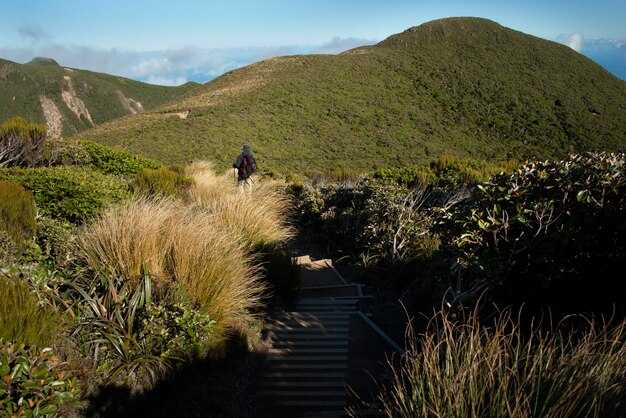
በአስቸኳይ ጊዜያት 112 ይደውሉ። የባሕር ወሽመጥ ስሞችን ወይም እንደ እሳተ ገሞራ ጫፍ ወይም የሞንቴ ሸንተረር ያሉ ታዋቂ ገጽታዎችን በመጠቀም አካባቢውን ያመልክቱ፤ ከቡድኑ ጋር ይቆዩ፤ በመገናኛ ሬዲዮ ወይም በሞባይል መመሪያውን ያነጋግሩ፤ ርቀው የሚገኙ ከሆነ የምልክት መሣሪያ ይዘው ወደ ክፍት ቦታ ይሂዱ፤ በራስዎ ለማዳን አይሞክሩ።.
መሣሪያዎች፣ ግንኙነት እና መግለጫዎች
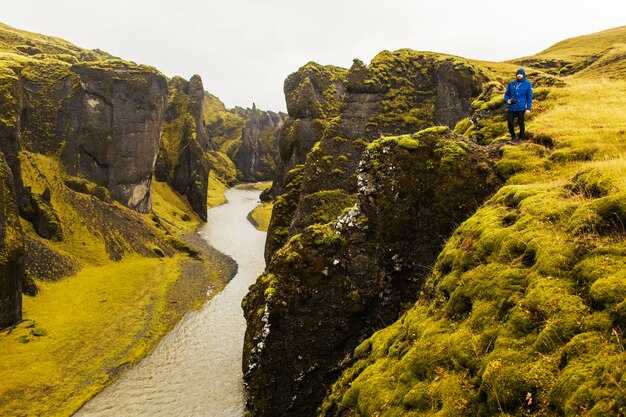
መሪዎች የውጭ ክፍሎችን ከመጀመራቸው በፊት የደህንነት መግለጫ ይሰጣሉ፤ እንግዶች ተገቢ ልብስ፣ውሃ፣መክሰስ፣ካርታዎች እና የታመቀ የሽርሽር መሣሪያ ይዘው መምጣት አለባቸው፤ቦርሳዎች ለመንገደኞች ቡድን ተስማሚ መሆን አለባቸው፤ውሃ ቢያንስ 1 ሊትር ሰው፤በመንገዶች ላይ ፍጥነት ለመጠበቅ ሻንጣዎችን ይቀንሱ፤ከመንገድ ውጭ ለሆኑ ክፍሎች ኃይልን ለመቆጠብ የተረጋጋ ፍጥነትን ይጠብቁ፤አደጋዎች ካስተዋሉ ወዲያውኑ መሪዎችን ያሳውቁ።.