


 አማርኛ
አማርኛ  English (UK)
  Русский
  বাংলা
বাংলা  العربية
  日本語
日本語  한국어
한국어  Magyar
  Norsk nynorsk
  Türkçe
  עִבְרִית
  Español
  Čeština
  Svenska
  Português
  Ελληνικά
  Suomi
Suomi  Nederlands
  Română
  Italiano
  Français
  Polski
  Українська
  Deutsch
  简体中文
简体中文  Slovenčina
  Српски језик
  اردو
اردو  Azərbaycan dili
  O‘zbekcha
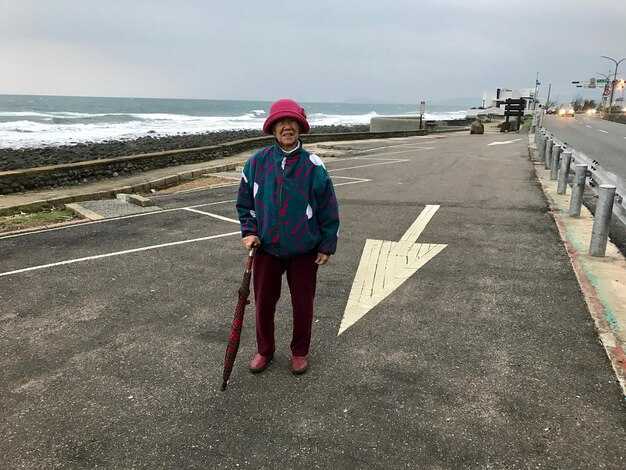
Drive the Road to Hana if you want a great, full-day experience that fills your senses with waterfalls, lush rock walls, and such. The route offers picnic spots, chances to stretch your feet, and viewpoints where you can capture long coastal views. Locals said this loop rewards patience, revealing new things at every bend. Introduction to this choice begins with planning, because the loop travels along sections that are one-lane in places and demands patience.
The Road to Hana runs roughly 52 miles from Kahului to Hana, with more than 50 bridges and dozens of curves. Plan 6–8 hours if you want to savor major sights without rushing; you’ll find waterfalls, sea cliffs, and rock formations at several pullouts. Restroom facilities exist at some stops, but amenities vary and you’ll often rely on portable options. To stay safe, keep valuables out of sight to avoid theft and avoid parking in narrow pullouts that block traffic. The loop returns you to the same area, offering more overlooks and opportunities to listen to the ocean. If you want to reach the best viewpoints, allow extra time for short hikes along marked trails and be ready for changing light and weather.
Flying is the speed option. A scenic flight from Kahului to Hana takes about 15–25 minutes, when weather cooperates. This method cuts transit time dramatically and frees you to spend more time on ground at chosen spots, but it limits access to some viewpoints that require a drive. Weather and wind can delay or cancel flights, so check the operator’s links and have a flexible plan. Expect costs around $120–$220 per person for a short hop; book early during peak season. If you fly, you’ll still want to plan where to land and how to handle restroom facilities and rental cars, since ground exploration will be more limited. The choices are clear: take a scenic flight or dedicate time to the road. Unless you value speed above all, weigh the tactile experience of road stops against the efficiency of air travel.
Whichever option you choose, your Maui day will offer memorable things to tell friends about. If you wanted a pace that blends time on the road with spontaneous stops, Road to Hana remains a strong pick. If you wanted to avoid long drives entirely, flying delivers a crisp, quick overview of coastal scenery. In either case, plan for a safe, paced day, pack water, snacks for a picnic, and a charger for photos; you’ll fill the day with moments you won’t forget.
Road to Hana vs Flying: Practical Comparison for Maui Travel
Choose rent-a-car for the most flexible Maui itinerary; flying saves time when days are tight or weather makes the coast road risky.
-
Road to Hana: Practical Notes
- Start in paia, a small town known for cafes, coffee, and a laid‑back vibe that travellers love.
- Distance and timing: from paia to hana is about 52 miles; plan 2.5–3 hours of driving one way, plus plenty of stops for fotos and snacks.
- Stops you’ll remember: a garden stop along the way (Garden of Eden), Waianapanapa black sand beach, Hamoa Beach, and the waterfalls around Kipahulu.
- Food and fuel: look for local bread stands and pork skewers; many options take credit cards, but carry some cash for small huts.
- Road facts: the route uses narrow lanes and several one‑lane bridges; allow extra time and drive with care, especially after rain.
- Transportation: a single rental vehicle gives you total control; a guided tour includes a set schedule but adds commission and reduces spontaneity.
- Logistics: pack water, sunscreen, a light rain jacket, and a map; you only need one flexible day if you take it slow and follow your interests.
-
Flying: Practical Notes
- Time saver: inter‑island flights to Maui from other hubs typically run 30–45 minutes, with airport transfer time to your base.
- Costs and setup: flights vary by season; plan for a car rental on arrival and a buffer for check‑in and baggage handling.
- Weather influence: winds and morning fog can affect small planes; with good conditions you gain a calm start and avoid the winding road.
- Post‑arrival plan: you still need ground transport to reach Paia or other spots; add 15–30 minutes for car pickup and fueling.
- Best for whom: adventurers who want to maximize time and minimize road miles; for most visitors, the road offers more unique attractions and photo opportunities.
-
Bottom-line comparison for travel planning
- Most visitors benefit from Road to Hana if they crave a long, scenic day with numerous stops and small towns; it brings a broad spectrum of attractions and experiences.
- Best option when time is scarce: Flying helps you reclaim a day but misses the spontaneous moments along the coast; pair a short flight with a relaxed later day in paia or nearby beaches.
- Practical tips for both options: rent-a-car for the best control, use credit for easier payments, and keep a mobile list of paia shops for quick bread and snack runs.
- Adventurers who plan ahead receive the most value: map out black‑sand beach pauses, garden stops, and paia eateries to maximize every mile or minute.
Time Budget: How Many Hours You’ll Need for Each Option
For a quick, high-impact view, choose flying; plan Road to Hana for a full, story-rich day.
Road to Hana: starting early, the drive from Kahului to Hana is about 2.5–3 hours. A loop back to your hotel or a later return same day adds 2–3 hours of driving. Include 2–4 hours for stops at overlook viewpoints, hidden beaches, and forest stands along the coast; each stop takes 15–30 minutes, with longer rests for a restroom and photo sessions. If you wanna sample Waianapanapa’s black sand beach or the Garden of Eden, budget 8–12 hours total. A fine, highlights-only version runs 6–8 hours, with 2–3 major stops and a relaxed pace. Use google to check current conditions and forecast, and start early to limit time spent in traffic and oncoming sections. Between views, take a moment at an overlook and fill the hours with short walks or a quick hawaiian-style snack. This is part of the plan, especially if you’re staying in hotel upcountry or near huelo; remember year-round daylight helps, but misty conditions can slow you down. Don’t miss a chance to see the overlook from a cliff and, if weather allows, enjoy a second view along the same route. Keep a steady pace to avoid a fast, stressful day.
Flying: a typical helicopter tour lasts 45–60 minutes in the air. Add 20–40 minutes for check‑in and briefing, plus 15–30 minutes for transfers, and you’re looking at about 2–3 hours total. If you wanna maximize scenery in a small window, 25–30 minutes is possible but you’ll miss many details; a standard 60-minute flight covers key overlooks and hidden valleys, seen from above. After the flight, head to a hawaiian-style lunch or a beach stop to fill the remaining hours. Check google for operator schedules, weight limits, and weather notes, and start from your hotel to streamline the day. To navigate weather and schedule limits, plan ahead and book early. A 2-hour block works for a quick impression, while 3 hours gives a fuller feel of Maui’s dramatic terrain. If conditions shift, you can pivot to upcountry activities or a relaxed finish at the hotel, keeping your hours flexible and your plans practical.
Can You Hit All Road to Hana Stops in One Day? Realistic Schedule and Pitfalls
No – you can’t realistically hit every stop on Road to Hana in a single day. Pick 4–6 must‑see spots and build in buffer for weather, parking, and slow sections. If you hate crowds, this approach gives you breathing room to enjoy the coast around you instead of chasing after time. What comes next is a choice: push ahead or slow down.
The road isn’t a straight line; it twists through rainforests, dirt patches after rain, and tight bends. There is something about the curvature that invites slower travel. These delays can make you rush, and the constant need for stopping for photos adds up. Delays come from oncoming traffic in narrow sections, crowded parking, and the area where you must let drivers pass. Plan for times between stops to stretch, refuel, and stay safe–getting around requires patience and pacing, especially in the busy season.
Sample plan for four stops (rough times): 7:00 depart Kahului. 7:50 stop 1: Twin Falls (40 min). 8:40 stop 2: Waianapanapa Black Sand Beach (50–60 min). 10:00 stop 3: Keanae Lookout and village view (20–30 min). 10:45 stop 4: Hana town for lunch (60 min). 11:45 depart Hana for Kahului with optional scenic breaks on the return (30–60 min). Return around 2:45–3:15 pm. If you want more, add a stop near Oheo Gulch, but you’ll push times and skip some detours. Booking ahead for popular spots can save minutes. Each place offers a different vibe and something memorable.
Pitfalls to watch: parking is limited at most stops in the area; weekends fill up fast. A sudden rain can turn dirt patches to mud and slow you to a crawl. Some sections bring oncoming vehicles in your side of the road, making dangerous passes more likely. Drivers should stay alert and keep to posted limits; the motion of the road demands focus. Cell service fades along the coast, so download maps in advance. The drive back takes time, and rushing robs you of photo moments and the mood.
Tips to make the most of a day: in hawaii, pace matters; hire a small local guide or join a booking-backed day trip to reduce decision fatigue; set a clear order for stops; carry water, sunscreen, and a light jacket; keep a spare battery for the camera; ask locals for current parking rules and access points; use reliable maps and keep an eye on times so you aren’t chasing the clock. clint notes that locals favor a steady pace to preserve safety and enjoyment.
The answer hinges on your priorities: if you want a relaxed vibe with fewer crowds, pick 4–5 spots and savor the drive. If you aim to check off a longer list, you’ll likely run late, skip photos, and miss the mood. continue at a slower pace, and you’ll enjoy the small moments that define hawaii. Between the stops, the coast, and the place you pause, you’ll find the real value lies in pace and pauses rather than ticking every pin on a map.
Cost Snapshot: Car Rental, Gas, Parking vs. Flight Tickets
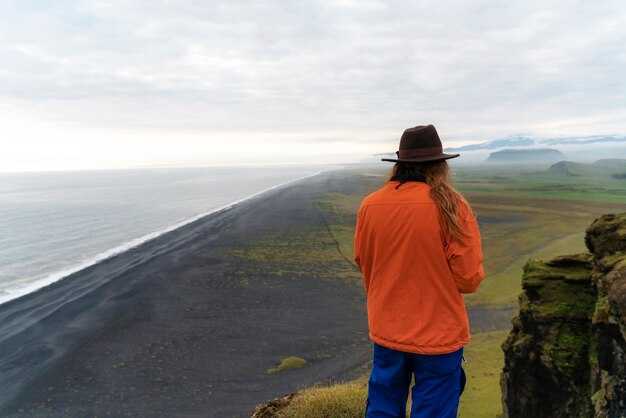
Drive the Road to Hana with a rental car for most Maui stays. It stays flexible, lets you stay in Paia morning buzz, and gives you dramatic rocky coast views as you stop at markers and must-see spots along the route. A four-day plan costs roughly $395–$450 for car rental, gas, and parking; a single day costs about $200–$260 if you share the ride and limit paid parking. Scenic flight options deliver wow, but they come at a higher price: about $180–$350 per person for a short tour, or $600–$1,400 for a family of four on a 60–90 minute flight. Bucks-wise, driving wins for larger groups; flight tickets bring a premium but save time if you’re choosing speed over depth of experience.
| ክፍል | Car Route (4 days) | Flight Route / Scenic Flight |
|---|---|---|
| መኪና ኪራይ | $280–$360 | N/A |
| Gas | $25–$60 | N/A |
| Parking | $5–$15 | N/A |
| Total Car Route | $310–$435 | N/A |
| Flight options (scenic) | N/A | $180–$350 per person |
| Family of 4 est. flight | N/A | $720–$1,400 |
| ማስታወሻዎች | Most parking is free or cheap; cash handy for meters | Higher upfront cost; durations vary |
Choosing between options depends on your sense of value and how you want to ride Maui. The contrast between cost and experience matters: driving offers a blend of scenery, slow mornings, and flexible stops at Paia and along the rocky coast, while flying provides sheer speed and a different kind of beauty. People traveling with kids or a large group often make the better call to ride, then continue exploring on land to keep the trip reliable and well-balanced. To help decide, download a downloadable map, mark markers you want to hit, and estimate parking fees; cash is handy for meters, but cards work at most places. Rather than rushing, a well-planned mix often makes sense for summer stays, giving you bucks to spend on meals and memories, not just transit.
If you’re deciding this stay, keep in mind that a family-run approach to travel often delivers the best balance: you rode the coast, you made memories, you still had time for a morning coffee in Paia, and you avoided a rushed schedule. The path you choose should fit your pace and your plan to continue your Maui adventure, whether you stay on the road or opt for a shorter flight sequence to maximize your time at must-see sites.
Scenery and Activities: Key Sights and Experiences on Each Route
Choose Road to Hana for a exceptionally immersive road trip, or pick a scenic flight to capture expansive views in minutes.
በመነሻነት kihei, the road climbs into east Maui, where rain makes the greens glow and waterfalls spill onto the road. Noted stops invite entering short trails and reading signs: Wai’anapanapa Black Sand Beach reveals sea caves and basalt stacks; the Hana Lava Tube offers a cool, candlelit walk; and Oheo Gulch (Seven Sacred Pools) rewards with a chain of pools and canyon viewpoints. Along the way, stands filled with pineapples and other fruits tempt you to stop, and traveler clint loves how locals chat about farming and hawaii culture. Such breaks slow the pace and let you savor the flavors of the islands.
During a flight, contrast appears between emerald coastline and deep-blue water. From the air you cannot miss Molokini crater’s crescent, the West Maui ridges, and Haleakalā’s vast flank. Such views scale the island in a single loop and make it easy to spot rain bands crossing the mountains. Flights typically depart from Kahului or Kihei and last 40–60 minutes; pilots point out offshore reefs, lava formations, and coastal inlets, and you can enter the cockpit with questions about the sights. Downloading a quick map or notes before takeoff helps you read the terrain as you go and plan future ground stops if you want more time on the road.
Tips for planning: For Road to Hana, start early, pack water and snacks, and allow 6–8 hours to savor a few main stops and several short hikes. The drive is often filled with lush views, fruit stands, and scenic pullouts that you’ll want to linger at. From kihei, you can pair a morning drive with an afternoon flight to close the day with a different perspective. You cannot cram both experiences into a single rush; prior research on a couple of must-see spots helps you maximize time. The route gives an exceptionally varied mix of scenery and casual activities, from wandering a bamboo grove to sampling fresh pineapples, so you’ll want enough breaks to stay energized for the next stretch.
Safety, Comfort, and Accessibility: Suitability for Families, Seniors, and Solo Travelers
For most families, seniors, and solo travelers, flying is the easiest option when time matters or mobility is limited. A quick flight keeps you above Maui’s coastline and lands you near key sights with a comfortable cabin and minimal fatigue. If you crave a road day with a story to tell, pair a private Hana segment with a few well-timed stops at waianapanapa and forest viewpoints, turning the drive into an unforgettable memory with breakfast or snacks at a resort before or after.
The Road to Hana demands caution: the route is a winding, two-lane strip with frequent turns and many narrow bridges. It works best with a patient driver or a private guide who can pace breaks for bathrooms, shade, and photo moments. Ask about drop-offs at planned stops near parks or resorts, and keep the trunk free of clutter so everyone can grab water or jackets quickly. A well-timed stop at waianapanapa Beach State Park is popular for a safe look at black sand and sea arches.
When comfort matters most, flying offers a safer alternative: short durations, quieter cabins, and easy boarding for seniors or kids. The flight reduces travel fatigue and preserves energy for a Hana-inspired day if you choose to connect later by road. If you want private transport, many operators offer private charters with door-to-door drop-offs at your resort, simplifying planning and minimizing transfers. For those who want to keep everything organized, you can download a compact schedule and safety checklist to review before departure.
Hybrid approach for families and solo travelers: a morning flight to Maui, followed by a gentle road loop with frequent stops. This balances comfort with scenery, reduces fatigue, and keeps the party together. Look for options with clear safety records, space for a trunk with snacks, and flexible drop-offs at key stops such as resort areas or waianapanapa. This approach yields a flexible, memorable experience without rushing.
Choose the option that fits your pace, mobility, and the kind of experience you want. Some families and solo travelers pick a flight plus a short scenic road stop to enjoy both the view and the ease of drop-offs at the resort, while others opt for a full Hana day by car with a private guide. Either route can become an unforgettable memory if you plan breaks, keep the trunk organized, and tailor stops to your group’s needs, including waianapanapa, forest paths, and a relaxed breakfast or snack.