


 አማርኛ
አማርኛ  English (UK)
  Русский
  বাংলা
বাংলা  العربية
  日本語
日本語  한국어
한국어  Magyar
  Norsk nynorsk
  Türkçe
  עִבְרִית
  Español
  Čeština
  Svenska
  Português
  Ελληνικά
  Suomi
Suomi  Nederlands
  Română
  Italiano
  Français
  Polski
  Українська
  Deutsch
  简体中文
简体中文  Slovenčina
  Српски језик
  اردو
اردو  Azərbaycan dili
  O‘zbekcha
 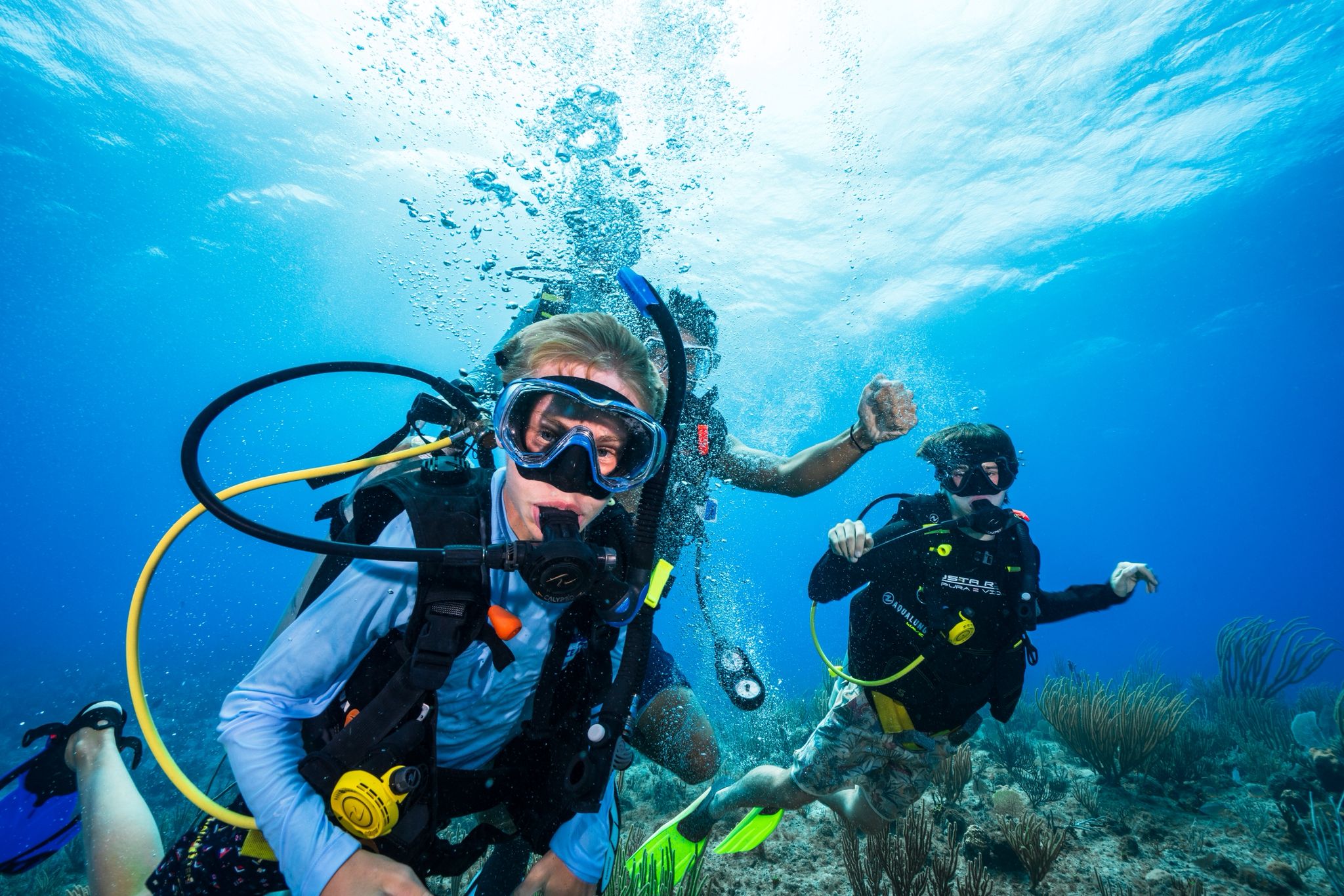 የሁለተኛ ደረጃ ተማሪዎችን የ PADI Junior Open Water በ Sail Caribbean እንዲዘጋጁ ማድረግ">

Liveaboard youth programs typically run 7–14 days, operate on vessels with daily dive rotations (2–4 dives per day), and maintain an average instructor-to-student ratio of 1:4 to ensure continuous supervision and safe skill progression for middle school participants.
Operational realities of youth scuba-sailing programs
When organizing a combined sailing and scuba program, providers schedule confined-water sessions during mornings and shallow open-water practice dives in the afternoons to maximize visibility and reduce fatigue. For PADI Junior Open Water training, depth restrictions commonly set a junior maximum of 12 meters (40 feet), and certified adult supervision is required for all dives. Vessel logistics—berth capacity, equipment storage, and daily meal service—are arranged to prioritize quick gear turnaround and consistent safety briefings.
Typical daily rhythm
At a glance, a standard day aboard includes a morning safety briefing, a skill-practice session in calm water, a surface interval for rest and instruction review, and an open-water application dive. This structure accelerates confidence and consolidates learning through repetition in warm Caribbean conditions, which reduces cold-water complications and allows greater time on skill drills.
PADI Junior Open Water: course structure and requirements
The PADI Junior Open Water certification for ages 10–14 follows three core phases: Knowledge Development, Confined Water Dives, and Open Water Dives. Knowledge modules introduce basic dive theory, confined sessions let students practice buoyancy and mask skills in a controlled setting, and open-water dives allow application under instructor supervision. Prerequisites typically include basic swimming ability and general good health; physical stamina and comfort in the water are practical necessities.
| Element | Typical Specification |
|---|---|
| ขั้นต่ำของอายุ | 10 ዓመታት |
| Junior depth limit | 12 m / 40 ft |
| Instructor ratio | ≈ 1:4 |
| Program length | 7–14 days (liveaboard preferred) |
| Water conditions | Warm, calm, high visibility (ideal) |
Why the Caribbean liveaboard model helps learning
Sail Caribbean and similar operators leverage consistently warm water, moderate currents, and clear visibility to reduce cognitive load for young learners. The liveaboard environment removes daily travel logistics, concentrates supervision, and provides repeated, closely monitored practice—important for mastering tasks such as buoyancy control and emergency procedures. A sailing component also teaches seamanship and cooperative living, reinforcing teamwork skills learned under water.
Life skills and developmental benefits
Scuba training for middle schoolers builds much more than technical competencies. Key benefits include:
- ኃላፊነት — performing pre-dive checks, caring for gear, and adhering to dive plans.
- Confidence — overcoming initial fears like mask clearing and depth acclimation.
- Teamwork and leadership — using the buddy system and rotating roles during sailing tasks.
Practical selection criteria for parents
When selecting a program, prioritize small group sizes, 24/7 adult leadership, and a documented safety record. Confirm instructor certifications (PADI professionals are a baseline), equipment maintenance protocols, and emergency response plans. Balance technical training with downtime and social activities so young teens can both learn and relax.
Program comparison: what to look for
- Check instructor experience with teens and youth-centered curricula.
- Verify equipment fit and availability for smaller divers (youth wetsuits, appropriately sized BCDs and masks).
- Assess on-board routines: medical screening, shore excursions, and contingency plans for weather or illness.
Combining sailing and scuba creates a compact educational ecosystem where repeated practice, close supervision, and an engaging travel context deliver strong outcomes. Programs that weave in cultural shore excursions and marine-ecosystem lessons add value that carries over into broader travel experiences.
For families seeking tours and excursions tied to diving education, GetExperience offers a wide variety of tours worldwide to suit any preference and budget. The platform supports secure online payments with voucher confirmation, and allows submitting tailored requests so providers can propose offers matched to your needs. On GetExperience, you book your experience from verified providers at reasonable prices. This empowers you to make the most informed decision without unnecessary expenses or disappointments—convenient, transparent, and budget-aware. Book your Trip GetExperience.com
At a glance, the most important takeaways are the structured rhythm of liveaboard learning, the role of PADI Junior Open Water limits and stages, and the clear non-technical benefits such as leadership and responsibility. No amount of reviews can replace first-hand experience: personal dives create confidence that theory cannot replicate.
In summary, middle schoolers gain technical skills and soft skills from PADI Junior Open Water programs delivered on liveaboards like those run by Sail Caribbean. Key logistical considerations include program length, instructor ratios, equipment suited to youth, and the safety advantages of warm, calm waters. Families looking for packaged travel experiences can combine scuba with cultural shore excursions, museum tours with live guides, adventure rafting trips for beginners, or even luxury adventure travel experiences and eco-friendly wildlife safaris to round out the holiday. Whether you pursue online virtual tours first or jump straight into a live course, these programs open doors to adventure activities, yacht parties, cruise packages, safari tours, and interactive cultural workshops—turning curious middle schoolers into confident young travelers and divers.