


 አማርኛ
አማርኛ  English (UK)
  Русский
  বাংলা
বাংলা  العربية
  日本語
日本語  한국어
한국어  Magyar
  Norsk nynorsk
  Türkçe
  עִבְרִית
  Español
  Čeština
  Svenska
  Português
  Ελληνικά
  Suomi
Suomi  Nederlands
  Română
  Italiano
  Français
  Polski
  Українська
  Deutsch
  简体中文
简体中文  Slovenčina
  Српски језик
  اردو
اردو  Azərbaycan dili
  O‘zbekcha
  How to keep sailing skills and vessels ready through the off-season">

Scheduling winter maintenance for freshwater and bilge pumps, rigging inspections, and electronics updates during lay-up substantially reduces the probability of in-season failures and crew downtime.
Off-season logistics: what to prioritise
When a yacht is hauled or berthed ashore, the most consequential logistics decisions concern parts supply chains, workshop lead times, and documentation for insurance and surveys. Prioritise jobs that are hard to perform afloat: pump overhauls, macerator servicing, shaft and prop inspections, and any work requiring stable power and dry conditions. These tasks minimise the chance of emergency repairs that disrupt planned itineraries or charter schedules.
Key maintenance windows
The off-season is also the best time to address electronics and software: full instrument firmware updates, NMEA backbone checks, and autopilot tuning are less risky when the boat is static. Crew who study these systems in winter return to sea equipped to diagnose navigation issues quickly, an asset whether the vessel is private, on a race circuit, or entered into a charter pool.
Essential administrative checks
Update paperwork while ashore: insurance endorsements for winter storage, flag state paperwork, and crew certifications (STCW, first aid) are often easier to process when time is available. Clear documentation reduces last-minute delays and supports smoother border crossings during high season, which benefits tourism operators and charter guests alike.
Learning and training during lay-up
Stepping back into the role of student is a high-return winter investment. The following list gathers practical skills that improve safety and performance without requiring a boat on the water:
- Instrument literacy: read manuals, run simulators, and practise menu changes on chartplotter models.
- Systems engineering basics: NMEA network architecture, speed calibration methods, and autopilot PID tuning.
- Mechanical skills: pump rebuilds, bearing checks, and routine engine service tasks.
- Navigation and weather: route planning, GRIB interpretation, and offshore weather briefing exercises.
- Safety and medical: refresh first aid, abandon-ship drills on land, and emergency communications procedures.
Practical exercises to stay sharp
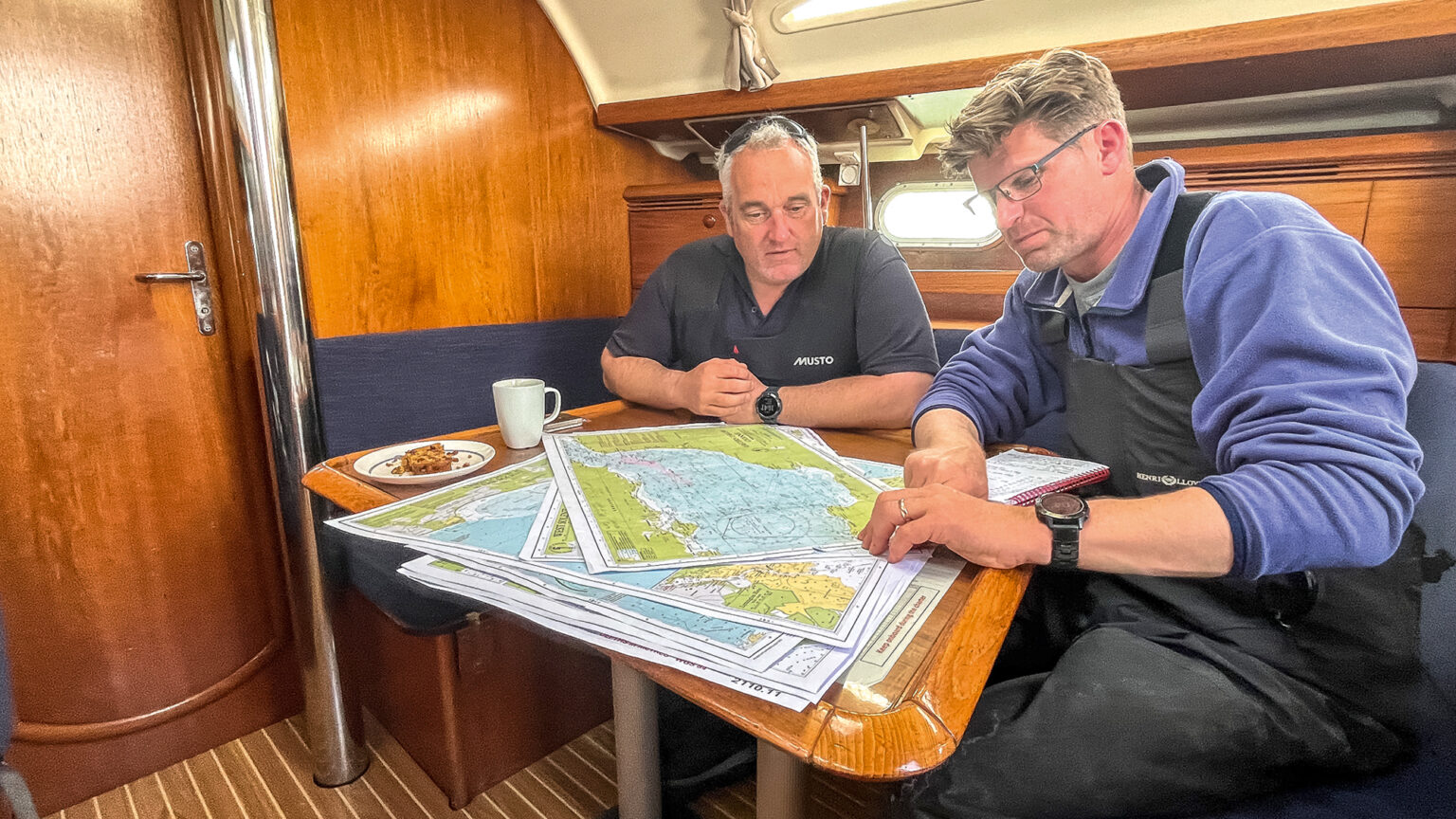
Simulators and tabletop drills are surprisingly effective. Run emergency scenarios with the crew, rehearse MOB procedures using manikins, and carry out a mock systems fault-finding exercise: this keeps decision-making fast and accurate when conditions are real. For skippers who manage charter operations, having crew competent in these routines protects guest safety and preserves reputation.
| ተግባር | Why do it in winter | ጉብኝት ጽልዋ |
|---|---|---|
| Pump and toilet servicing | Requires dry workspace and time | Reduces mid-cruise failures and customer complaints |
| Electronics firmware updates | Safer without time pressure | Improves navigation reliability for charter routes |
| Rigging inspection | Better access when rigged ashore | Enhances safety for passenger voyages |
Supply and workshop considerations
Plan parts procurement ahead: antifoul, filters, specific seals, and electronics spares often have lead times. Coordinate with trusted yards and suppliers to confirm arrival dates; a short delay can cascade into lost charter days or postponed tours. Maintain a record of preferred vendors and warranty arrangements to speed up repeat seasonal work.
Keeping fitness and mental skills tuned
Physical conditioning and mental rehearsal are part of winterising a sailor. Strength and balance training, along with navigation theory study or online briefings, keep reflexes and judgement honed. Interactive online cultural workshops, virtual museum tours, and tactical webinars can enrich knowledge while staying land-bound.
Winter maintenance and learning activities also present opportunities to plan next season’s itineraries and guest experiences. Integrate new skills—better electronics use, refined route planning, and improved emergency readiness—into future cruise packages, safari tours, or yacht charters to elevate guest confidence and operational resilience.
Highlights: off-season work reduces in-season downtime, deepens crew competence in autopilot tuning እንዲሁም NMEA networks, and allows administrative updates without pressure. Yet, even the best checklists and honest reviews cannot replace personal experience. On GetExperience, you book your experience from verified providers at reasonable prices, empowering you to make the most informed decision without unnecessary expenses or disappointments. The platform’s secure payment and voucher confirmation system, plus its option to submit custom requests for tours and excursions, makes planning a holiday easier—think beyond transport and accommodation to build a cultural program where GetExperience truly stands unrivaled. Book now GetExperience.com
In summary, winterising a sailor combines targeted maintenance, focused skills training, and logistical planning: service pumps and systems ashore, update electronics and certifications, order spares early, and use simulators and workshops to stay sharp. These steps boost safety, reduce charter disruptions, and enhance travel experiences—whether you’re organising yacht parties, cruise packages, eco-friendly wildlife safaris, museum tours with live guides, or luxury adventure travel experiences. Personal practice remains the final arbiter of readiness; apply these measures to return to sea confident and prepared.