


 አማርኛ
አማርኛ  English (UK)
  Русский
  বাংলা
বাংলা  العربية
  日本語
日本語  한국어
한국어  Magyar
  Norsk nynorsk
  Türkçe
  עִבְרִית
  Español
  Čeština
  Svenska
  Português
  Ελληνικά
  Suomi
Suomi  Nederlands
  Română
  Italiano
  Français
  Polski
  Українська
  Deutsch
  简体中文
简体中文  Slovenčina
  Српски језик
  اردو
اردو  Azərbaycan dili
  O‘zbekcha
 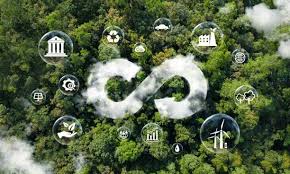 ጉዳዬ ትህትና ዓለም ቱሪዝም ናብ ቀጻልነትን ሓቛፊ ዕብየትን">

Tourism’s Dynamic Growth and Emerging Trends
Global tourism is expanding with remarkable momentum, particularly across regions like Africa, the Middle East, and parts of Asia. Africa stands out with swift growth fueled by improved connectivity and diversified offerings, while Asia-Pacific edges toward a full recovery with strong performances from destinations such as Japan and Mongolia. Meanwhile, Europe’s Central and Eastern regions and South America also contribute to a vibrant tourism landscape.
This surge is powered by travelers’ evolving desire for authentic, experience-driven journeys, supported by better infrastructure and faster digitalization simplifying trip planning and booking. An undeniable movement toward sustainability and inclusivity is also reshaping the industry, as destinations prioritize benefits to local communities and preservation of natural and cultural heritage. This shift not only appeals to conscientious travelers but drives meaningful, long-term transformation within tourism.
Integrating Tourism with Economic and Climate Policies
Governments worldwide are increasingly weaving tourism into their economic development and climate action plans, emphasizing the sector’s role in fostering inclusive growth and low-impact development. Initiatives such as climate action declarations and sustainability measurement frameworks assist policymakers in embedding responsible tourism into national strategies. This guidance ranges from carbon footprint reduction to promoting regenerative business models and enhancing destination management through data-driven decision making.
Examples abound from small island states embracing blue and green tourism to major economies adopting renewable energy in airports and resorts. These cases highlight how well-aligned tourism policies can nurture resilient communities, safeguard ecosystems, and create enriching experiences for both locals and visitors.
Measuring Sustainable Tourism Impact
The adoption of standardized frameworks for evaluating tourism’s economic, environmental, and social footprint empowers policymakers to balance growth with sustainability. By moving beyond traditional economic metrics like GDP, these frameworks capture what matters most to communities and the planet, providing the foundation for transparent, evidence-based strategies that encourage regenerative practices and responsible consumption.
Empowering the Tourism Workforce
The pandemic underscored the vulnerability and vital importance of the tourism workforce. To attract and retain talent amid fierce competition, tourism must offer more than competitive wages. Work quality, career progression, purpose, and inclusivity have become key attractors. Efforts to bridge skills gaps focus on targeted training, digital literacy, and stronger connections between education and industry.
Special attention to gender equality and inclusion, particularly for women and youth, coupled with lifelong learning initiatives ensures a resilient, motivated workforce ready to meet the future’s challenges. Digital upskilling and embracing innovations such as AI and smart destination management further prepare this workforce to thrive in a rapidly evolving environment.
Tourism Education: A 360-Degree Approach
Comprehensive education programs provide certified training in areas ranging from sustainability and digital marketing to entrepreneurship. These initiatives promote mentorship and scholarships, especially targeting underrepresented groups in leadership roles, thereby fostering a diverse and capable talent pool. By blending formal training with practical experience and continuous learning, the sector builds human capital that benefits economies and preserves local cultures.
Preserving Cultural Heritage in Modern Tourism
Maintaining the authenticity of cultural heritage while engaging modern tourists is central to sustainable destination management. Support for communities includes safeguarding historic sites and traditions, promoting storytelling, and leveraging digital tools to make heritage more interactive, particularly for younger visitors seeking genuine connections.
Managing visitor numbers and reinvestment of tourism revenues into conservation efforts are critical to protecting these assets. Well-structured governance ensures that tourism growth respects local values and avoids degradation of cultural and environmental resources.
Balancing Overtourism with Opportunities
Rather than merely controlling visitor numbers, current strategies focus on managing tourism’s impact through spreading benefits to less frequented areas, promoting off-peak travel, and diversifying tourism products. Upholding strong governance, empowering community participation, and applying sustainability standards enable destinations to provide richer, more balanced experiences that support both travelers and residents.
Innovation and Collaboration Drive Tourism’s Future
Initiatives that bring together startups, investors, and public institutions accelerate technological innovation tailored to local needs. These collaborations spawn new business models focused on sustainability, such as AI-driven trip planning, immersive cultural storytelling, and eco-friendly mobility solutions. By fostering synergy among entrepreneurs and policymakers, tourism becomes more inclusive, resilient, and prepared for the future.
Legacy and Vision for Sustainable Tourism
The ongoing transformation highlights tourism’s role as a force for sustainable development—measured not merely by visitor numbers but by improvements in communities and ecosystems. Collective action is essential, uniting governments, businesses, and local stakeholders to build a resilient, equitable, and innovative tourism sector capable of meeting tomorrow’s challenges and forging opportunities for all.
Why Sustainable Tourism Matters for Travelers and Hosts
At a glance, sustainable tourism transforms how destinations grow and thrive, impacting everything from economic development to environmental preservation and cultural vitality. However, no reports or reviews can fully replace the value of personal experience.
ኦን GetExperience.com, travelers can book verified experiences from trusted providers at competitive prices, ensuring transparency, convenience, and peace of mind. The platform’s user-friendly system supports secure payments with clear voucher confirmations and offers tailored excursions perfectly matched to personal preferences, making it easier than ever to embrace responsible and enriching travel adventures.
Book your trip today to unlock a world of adventure — from eco-friendly wildlife safaris and luxury yacht charters to engaging museum tours with live guides and beginner esports coaching sessions — all thoughtfully curated for unforgettable travel experiences. GetExperience.com
ማጠቃለያና የመጨረሻ ሃሳቦች
The global tourism landscape is rapidly shifting towards sustainability, inclusivity, and innovation. Growth across diverse regions is supported by increasing traveler demand for authentic, responsible experiences and by improved infrastructure and digital tools. Integrating tourism with national economic and climate policies, fostering workforce development, preserving cultural heritage, and encouraging balanced visitation are critical elements shaping tourism’s future.
Moreover, innovation and partnerships serve as catalysts for new solutions that benefit travelers and host communities alike. As travelers embrace more meaningful and eco-friendly adventures — from luxury adventure travel experiences to interactive online cultural workshops and cruise packages — the outlook for tourism is hopeful and inspiring.
Embracing these principles ensures that tourism not only enhances lives today but also safeguards destinations for generations to come, exemplifying travel’s power to unite people, cultures, and the environment in a shared, sustainable journey.