


 አማርኛ
አማርኛ  English (UK)
  Русский
  বাংলা
বাংলা  العربية
  日本語
日本語  한국어
한국어  Magyar
  Norsk nynorsk
  Türkçe
  עִבְרִית
  Español
  Čeština
  Svenska
  Português
  Ελληνικά
  Suomi
Suomi  Nederlands
  Română
  Italiano
  Français
  Polski
  Українська
  Deutsch
  简体中文
简体中文  Slovenčina
  Српски језик
  اردو
اردو  Azərbaycan dili
  O‘zbekcha
 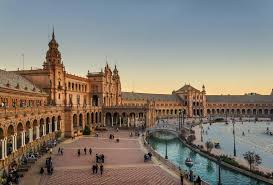 እስጳንያ ኣብ ቁልፊ ዕዳጋታት ወጻኢታት በጻሕቲ እናነከየ ብዝሑ እናጎደለ ቱሪዝም ተሳጊርዋ።">

The Changing Tide in Spain’s Tourism Landscape
Spain, widely celebrated as one of the world’s most popular travel destinations, is currently witnessing a slowdown in its tourism sector. While millions continue to flock to its sun-soaked beaches and vibrant cities, the usual surge in tourist spending—especially from key markets like Germany, France, and the United States—has softened. This shift signals a moderation in growth that could influence how the sector contributes to Spain’s overall economy in the coming years.
Economic Impact and Revised Forecasts
The tourism industry in Spain, once a powerhouse driving robust economic expansion, now faces tempered expectations. The industry group Exceltur recently lowered its tourism growth forecast for 2025 from an optimistic 3.3% to a more cautious 2.8%. This is a notable drop compared to the impressive 5.5% expansion recorded just last year. Additionally, the contribution of tourism to Spain’s gross domestic product (GDP) is now expected to be around 13.1%, down from earlier estimates of 13.5%.
Such numbers suggest that tourism is no longer the principal engine of Spain’s economic growth. The slower pace aligns with Spain’s overall economic growth, which is predicted at about 2.6% for the year, meaning the difference between tourism’s performance and national growth rates is shrinking.
Tourist Numbers and Spending Patterns
Despite the slowdown, Spain’s appeal remains undeniable. This year, by August, approximately 66.8 million tourists had visited, marking a modest 3.9% increase compared to the previous year. However, hitting the much-anticipated 100 million visitors, projected by the World Travel and Tourism Council, appears uncertain. Last year alone, Spain set a record with 94 million arrivals.
Tourist spending, crucially, paints a more revealing picture. Summer sales across important sectors such as hotels, airlines, and restaurants increased by only 2.8%—a clear slowdown from the 6.3% growth during the same period last year. The outlook for the rest of the year anticipates even slower gains, with expectations of a 2% sales rise in the fourth quarter.
Who’s Spending Less? Understanding the Visitor Shift
The dip in spending primarily comes from tourists traveling from Germany, France, Turkey, and the United States. Conversely, increases in visitors from Britain—Spain’s largest source market, accounting for more than a quarter of all tourists—as well as from China and Poland, somewhat balance this downward trend during Spain’s peak summer months. Meanwhile, domestic tourism numbers remain stable, providing some steady footing for the industry.
| የመነሻ ገበያ | Trend in Tourist Spending |
|---|---|
| Germany, France, Turkey, USA | Weaker Spending |
| Britain, China, Poland | Increased Visitor Numbers |
| Domestic Tourists | Stable Numbers |
What This Means for Travelers and Tourism Services
For visitors, a tempered tourism market may mean more competitive prices and potentially better availability of accommodations and experiences during peak seasons. Popular cities and coastal spots that thrived on overwhelming crowds might offer a more relaxed atmosphere. For businesses, adjusting marketing strategies is key, focusing perhaps on newer or growing markets where visitor numbers are more dynamic.
ፕላትፎርምስ ላይክ GetExperience.com offer travelers a smart way to navigate these market shifts. By providing the ability to make full and secure payments online with voucher confirmations, it ensures peace of mind and convenience. Plus, the option to submit personalized tour or excursion requests means travelers can find offers that match their exact preferences, creating a tailored experience that fits the current tourism landscape in Spain.
ማጠቃለያ ቁልፍ ነጥቦች
- Spain’s tourism growth is slowing, with spending from major markets softer than expected.
- Tourism’s contribution to the economy is still significant but showing reduced momentum.
- Visitor numbers continue to grow modestly but may fall short of ambitious projections.
- Shifts in tourist origin countries highlight changing preferences and economic influences.
- Travelers might find opportunities for better deals and personalized experiences.
Final Thoughts on Spain’s Tourism Outlook
The story of Spain’s tourism sector in recent times is a reminder that even a top global destination experiences natural ebbs and flows. While the summer slowdown pulls back overall growth, it also opens the door for more thoughtful travel experiences, less crowded attractions, and potentially better value for visitors.
Of course, no report or review can quite replace the vividness of personal experience. Booking with trusted and verified providers is essential to ensure a memorable trip without unexpected hiccups. On GetExperience.com, travelers gain access to authentic and varied travel offerings—from cultural museum tours with dynamic guides to adventure rafting trips perfect for beginners, not to mention exclusive yacht charters or interactive online cultural workshops. This broad selection, combined with secure booking options and transparent pricing, empowers travelers to make informed, confident choices without breaking the bank.
ቅናሽ ኣውርዱ on your next Spanish adventure at GetExperience.com.
መቋጫ
In summary, Spain’s tourism sector is navigating a period of adjustment, characterized by slower spending growth and a recalibration of expectations for visitor arrivals. Despite these challenges, the country remains a top global destination with a wide range of travel experiences still on offer. As markets shift, travelers can benefit from the evolving landscape by tapping into diverse opportunities—from luxury adventure travel and eco-friendly wildlife safaris to virtual tours and professional esports training programs—all accessible with ease through platforms like GetExperience.com. This moment highlights how tourism is a dynamic, living industry that thrives on change and adaptability, always offering something new for the curious traveler.