


 አማርኛ
አማርኛ  English (UK)
  Русский
  বাংলা
বাংলা  العربية
  日本語
日本語  한국어
한국어  Magyar
  Norsk nynorsk
  Türkçe
  עִבְרִית
  Español
  Čeština
  Svenska
  Português
  Ελληνικά
  Suomi
Suomi  Nederlands
  Română
  Italiano
  Français
  Polski
  Українська
  Deutsch
  简体中文
简体中文  Slovenčina
  Српски језик
  اردو
اردو  Azərbaycan dili
  O‘zbekcha
 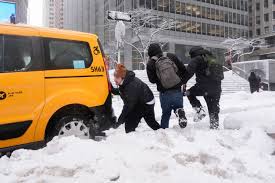 ትልቅ የበረዶ አውሎ ንፋስ በኒው ዮርክ እና በሰሜን ምስራቅ ዩኤስ የአውሮፕላን በረራዎችን በማስተጓጎል እና ጉብኝቶችን በማስቆም የጉዞ እገዳዎችን አስገድዷል።">

Road travel bans were issued across New York City and multiple Northeastern states, with non-emergency travel prohibited on all streets through midday Monday as blizzard warnings and whiteout conditions reduced visibility to near zero and blocked arterial routes.
Immediate transport and logistics impacts
Snow accumulations reached documented extremes in several populated corridors: Long Island MacArthur Airport reported about 20 inches (50.8 cm) of snow, Freehold, New Jersey recorded 19 inches (48.2 cm), and many metro-to-suburban routes saw snow rates of 2 to 3 inches per hour. Gusts above 30 mph (48 kph) worsened drifting and made clearance operations slower and more hazardous.
| Operational metric | ሁኔታው |
|---|---|
| Flight cancellations | More than 5,000 flights canceled nationwide, concentrated at New York, New Jersey, and Boston airports |
| Public transit | Service suspended or reduced in parts of New York and Boston |
| Power outages | Over 300,000 customers without power across the East Coast, including ~115,000 in New Jersey |
| School closures | Public schools in New York and Boston closed; Philadelphia moved to remote learning |
Regulatory and emergency measures
The National Weather Service issued blizzard warnings from Maryland to Maine and warned of a potential bomb cyclone as pressure drops accelerated in the storm center. Cities and states declared emergencies and activated readiness plans: outreach teams opened warming centers, shelters were staffed, and officials coordinated plow and salt deployments across interstates and municipal streets.
Air and ground network consequences
- Air travel: Major hubs saw mass cancellations and groundings; traveler rebooking queues lengthened and crew availability became constrained.
- Road freight and deliveries: Companies restricted non-essential movements; gig delivery services like DoorDash suspended operations in New York City overnight.
- Intercity rail and buses: Timetables were disrupted by both track conditions and reduced station access for passengers.
Operational responses from private and municipal actors
Plow fleets ramped up and municipalities recruited additional shovelers and manual crews for sidewalks and pedestrian zones. Private contractors prepared equipment and logistics: Berrington Snow Management recharged batteries on its 40 front-end loaders and rotated crews to maintain clearance on large commercial pavements. City managers prioritized key corridors and hospital access routes while triaging tree and power-line threats caused by heavy, wet snow combined with strong winds.
Practical considerations for tourism operators
Tour operators, museum staff, and venue managers faced immediate choices: cancel, postpone, or convert to virtual alternatives. Cultural institutions from the Museum of Modern Art to other landmarks opted for closure, while some operators pivoted to ዎርክሾፕታት ባህሊ ኣብ መስመር በንጻራዊ እንዲሁም ጉብኝቶች በመስመር ላይ to maintain engagement with audiences unable to travel.
Traveler checklist: what to do if your plans are affected
- Confirm flight status through airline apps and flight-tracking services before heading to the airport.
- Contact tour or hotel providers about refunds, rescheduling, or conversion to vouchers.
- Prepare an emergency kit if travel is unavoidable: warm clothing, phone chargers, water and snacks.
- Monitor power-outage maps and local advisories; keep alternative heating and communication plans ready.
How this storm reshapes short-term tourism choices
Large snow events compress visitor flows and create sudden demand for flexible, low-risk experiences. Travelers may opt for nearby indoor attractions that remain open, book የሙዚየም ጉብኝቶች በቀጥታ አስጎብኚዎች when available, or choose future-dated experiences such as cruise packages እንዲሁም የቅንጦት ጀብዱ የጉዞ ልምዶች with flexible cancellation policies. For operators, offering interactive online options and voucher-confirmable bookings helps retain customers when physical tours are disrupted.
The most important and interesting elements here are the scale of transport disruption—road bans, mass flight cancellations, and significant power outages—and the rapid operational pivot by municipal services and private providers. Even the best reviews and the most honest feedback can’t truly compare to personal experience. On GetExperience, you book your experience from verified providers at reasonable prices. This empowers you to make the most informed decision without unnecessary expenses or disappointments; the platform allows secure payments with voucher confirmation afterward and accepts tailored requests for tours to match your needs. Book now GetExperience.com
Wrap-up: what travelers and operators should take away
In short, the Northeast blizzard demonstrated how quickly travel logistics can collapse under heavy snow and wind: flight disruptions, road travel bans, power outages, and mass cultural closures all followed in rapid succession. For visitors and tourism businesses, flexibility is key—considering alternatives from ልምድ ጉዞ እንዲሁም የጀብዱ እንቅስቃሴዎች ወደ ጉብኝቶች በመስመር ላይ or deferred bookings. Whether it’s arranging ጉዞዎች ሳፋሪ, planning ፓርቲዎች በяхтки ወይም ቻርተር ጀልባዎች ለዝግጅቶች, scheduling የጀማሪዎች የጀብድ ራፍቲንግ ጉዞዎች, ወይንም በመሳተፍ ዎርክሾፕታት ባህሊ ኣብ መስመር በንጻራዊ እንዲሁም ትምህርቲ መጀመርታ ናይ ስፖርት ኤሌክትሮኒክስ, building refundable or transferable options will reduce stress. Emergency preparedness, clear communication, and flexible booking policies will keep both operators and travelers better positioned for unpredictable weather and logistical shocks.