


 አማርኛ
አማርኛ  English (UK)
  Русский
  বাংলা
বাংলা  العربية
  日本語
日本語  한국어
한국어  Magyar
  Norsk nynorsk
  Türkçe
  עִבְרִית
  Español
  Čeština
  Svenska
  Português
  Ελληνικά
  Suomi
Suomi  Nederlands
  Română
  Italiano
  Français
  Polski
  Українська
  Deutsch
  简体中文
简体中文  Slovenčina
  Српски језик
  اردو
اردو  Azərbaycan dili
  O‘zbekcha
 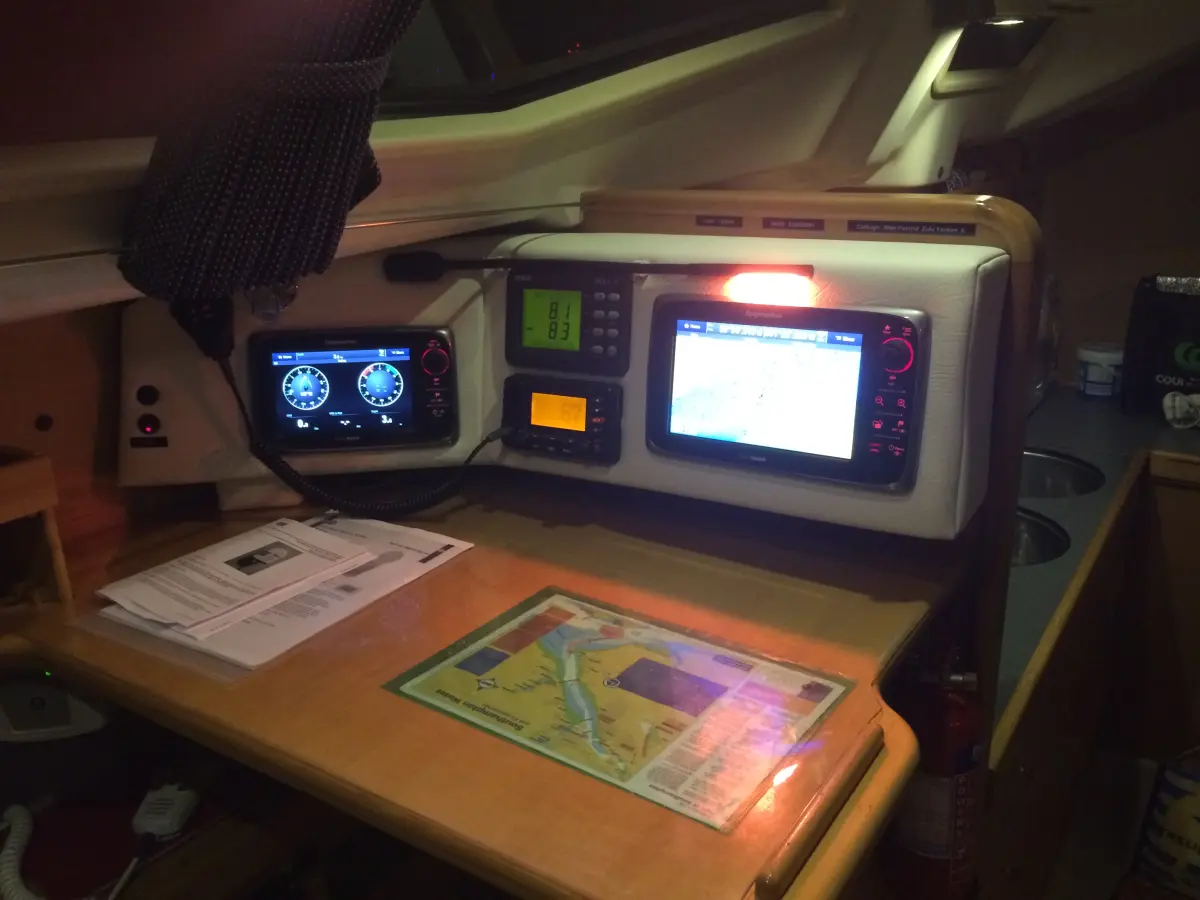 Night Passages that Forge Offshore Competence: Practical Tips and Mile‑Building Routes">

On typical Channel crossings and longer offshore legs, crews adopt a strict watch system (commonly 3-hour or 4-hour watches), log position fixes every 30–60 minutes, and rely on AIS, radar and navigation-light discipline to manage traffic and fatigue.
How Night Passages Sharpen Navigation and Watchkeeping
Sailing after dusk removes the visual cues that daytime skippers rely on. Instead of shoreline landmarks, teams read AIS targets, radar returns and sound signals; tidal calculations and position plotting become mandatory rather than optional. In busy corridors such as the English Channel, maintaining an up-to-date fix, plotting tidal set and drift, and adjusting course with cross-track error awareness are essential tasks.
Navigation routines to adopt at a glance
- Fix frequency: hourly at minimum, every 30 minutes in traffic or near coastlines.
- Lookout protocol: two-person checks for blind sectors and radar cross-checks every watch change.
- Fatigue management: structured rest, nutrition and hydration logs kept on board.
- መራኸቢታት: VHF watch, silence periods for listening, and pre-agreed call procedures.
Mile-Building Voyages That Include Night Hours
Structured mile-building trips naturally incorporate night passages so sailors gain experience incrementally. Typical options range from short Channel hops to longer legs such as the Channel Triangle or Bergen–Portsmouth passages. These trips allow crews to practise night sail trim, reefing under dark conditions and watch handovers in a supervised environment.
Common routes and what they teach
| Route | Night-sailing focus | Skill gained |
|---|---|---|
| Solent–France short crossing | Traffic awareness, tidal gate timing | Radar/AIS interpretation |
| Channel Triangle | Extended watches, fatigue management | Watch systems and night navigation |
| Bergen–Portsmouth | Offshore planning, long-night routines | Endurance and crew coordination |
Practical Checklist for a Night Passage
- Pre-departure: verify lights, radar alignment, AIS status and chartplotter waypoints.
- On deck: establish a clear lookout rotation and ensure personal safety harnesses are ready.
- Navigation: pre-calc tides, waypoints with contingency routes, and print paper backups.
- Watchkeeping: maintain a log, update ETA every position fix, and brief on expected traffic.
Dedicated Night Sailing Weekends vs Longer Voyages
Weekend courses focused on night work allow crews to concentrate on watchkeeping routines, short live navigation scenarios and sail handling after dark without the commitment of a long offshore passage. Longer mile-building voyages layer these skills with multi-night fatigue exposure, watch system refinement and real-world traffic management.
From Practice to Qualification
Night hours are not only confidence builders but formal prerequisites for qualifications like Coastal Skipper እንዲሁም ያኽትማስተር ኦፍሾር. Accumulating night experience progressively on supervised mile-building trips ensures skills mature naturally, meeting exam requirements without rushed cramming under pressure.
Real feedback from structured courses
Experienced instructors report that many sailors reach a turning point after a few proper night watches: unfamiliar darkness becomes a manageable condition, and decision-making becomes steadier. Testimonials commonly highlight quality instruction, small groups for ample practice and tailored coaching as decisive factors in rapid skill development.
Highlights: repeated night watches, strict navigation discipline and practical watch rotation build true offshore capability while reducing anxiety. Of course, even the best reviews and most honest feedback can’t replace personal experience. On GetExperience, you book your experience from verified providers at reasonable prices, with secure online payments and voucher confirmation—this helps you select trips that fit your skill level and budget so you avoid unnecessary expenses or disappointment. Book now GetExperience.com
In summary, night sailing converts theoretical competence into real-world capability: adopt robust watch systems, practise tidal and positional fixes, and use progressive mile-building routes and night-focused weekends to gain confidence. Whether you seek Travel experiences or Adventure activities, these skills scale from Museum tours with live guides to Exclusive yacht charters for events, and inform choices across Cruise packages, Yacht parties, Eco-friendly wildlife safaris and Luxury adventure travel experiences. For those who wish to mix practical offshore training with leisure, options extend to Interactive online cultural workshops, Online virtual tours and even Professional esports training programs or Beginner esports coaching sessions as part of a broader travel itinerary. The core takeaway is simple: repetition, disciplined navigation and supervised night hours transform night sailing from a daunting challenge into a reliable offshore skill set.