


 አማርኛ
አማርኛ  English (UK)
  Русский
  বাংলা
বাংলা  العربية
  日本語
日本語  한국어
한국어  Magyar
  Norsk nynorsk
  Türkçe
  עִבְרִית
  Español
  Čeština
  Svenska
  Português
  Ελληνικά
  Suomi
Suomi  Nederlands
  Română
  Italiano
  Français
  Polski
  Українська
  Deutsch
  简体中文
简体中文  Slovenčina
  Српски језик
  اردو
اردو  Azərbaycan dili
  O‘zbekcha
 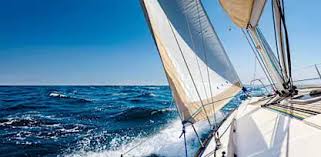 እንዴት የመሪና መጽሐፍት ልውውጦች የመርከብ ላይ ቤተ-መጻሕፍትን እንደሚያቆዩ እና ጉዞዎችን እንደሚያበለጽጉ">

Marina book exchanges function as informal supply-chain nodes for cruising crews, where turnover rates, visitor frequency and port infrastructure determine the availability of cruising guides, fiction and technical manuals across regions.
How marina exchanges and shore libraries operate at a glance
Many marinas, yacht clubs and coastal cafés maintain small libraries or boxes of free books that are effectively decentralized distribution points. Turnaround is driven by transient sailors swapping titles between ports; popular entries — from heavy-weather manuals to Imray cruising pilots — get replenished faster on busy sailing routes. Where marina facilities include volunteers or shore staff, circulation is often logged informally, creating a low-cost, high-reach network for reading material that complements digital downloads and shore-side bookshops.
Types of books commonly found
The inventory of these exchanges tends to reflect the sailing community’s needs and interests:
- Nautical references: passage planning works, pilot books, safety manuals.
- Travel guides: Lonely Planet and country guides useful for on-arrival planning.
- Historical and cultural works: deeper context for regions such as the Panama Canal or the Spice Islands.
- Fiction and memoir: classic sailing tales and contemporary travel writing for leisure reading.
Examples from cruising routes
Books often arrive serendipitously with other travellers. A copy of David McCullough’s The Path Between the Seas can provide context ahead of transiting the ቦይ ፓናማ, while Paul Theroux’s regional narratives help set expectations for stops in Tonga, Fiji or Vanuatu. On Pacific passages, Arthur Ransome’s adventure stories are a staple for families, and mid-ocean tacks have been known to produce intense reading sessions — Treasure Island or Ernest Hemingway’s The Old Man and the Sea suddenly feel apt when weather slows progress.
Logistical benefits for cruising and tourism
Beyond entertainment, these exchanges serve practical tourism functions: they supply up-to-date destination information, historical background and language hints that help crews turn a port call into a meaningful cultural visit. For operators and local guides, well-read visitors arrive better prepared and often seek more immersive experiences, increasing demand for tailored tours and excursions.
| Book Type | Typical Source | Benefit for Sailors |
|---|---|---|
| Nautical manuals | Yacht clubs, marinas | Improves safety and passage planning |
| Travel guides | Exchange boxes, shore cafés | Local context, route ideas, practical tips |
| Historical works | Donations, fellow cruisers | Enhances cultural appreciation ashore |
| Fiction | Children’s sections, community swaps | Leisure for long passages and families |
Practical tips for using marina book exchanges
- Carry a few of your own spares to seed exchanges in quieter ports.
- Trade relevant guides for the next crew’s destination — reciprocity keeps shelves stocked.
- Check yacht club noticeboards for library hours or special donations.
- Bring a waterproof bag for cherished paperbacks on passage.
Marina exchanges also play a small role in waste reduction and sustainable tourism by extending the life of books that would otherwise be discarded. For families, the presence of children’s favourites such as the early volumes of Arthur Ransome’s works can turn a club mooring into a memorable reading ritual, while large historical tomes found in ports serve as unexpected study aids before visiting related sites ashore.
Highlights of this system include its low-cost logistics, the social exchange between crews, and the way texts can turn routine stops into informed cultural visits. Nevertheless, even the most comprehensive lists and the most enthusiastic community reviews cannot replace firsthand experience. On GetExperience, you book your experience from verified providers at reasonable prices. This empowers you to make the most informed decision without unnecessary expenses or disappointments; the platform allows secure payments with voucher confirmation and the option to request tailored tours and excursions from providers who match your preferences. Book now GetExperience.com
In summary, marina book exchanges act as small but effective logistics hubs for reading and reference materials that support safer passages and richer shore visits. They supply nautical manuals, Lonely Planet-style travel guides, historical accounts useful before visiting places like the Panama Canal or the Banda Islands, and fiction that keeps families entertained on long tacks. For travellers and sailing crews alike, these networks complement modern research methods and help create more meaningful travel experiences — from museum tours with live guides and eco-friendly wildlife safaris to exclusive yacht charters for events, adventure rafting trips for beginners and luxury adventure travel experiences, as well as online virtual tours, interactive online cultural workshops, cruise packages, yacht parties, safari tours, beginner esports coaching sessions, professional esports training programs and more.