


 አማርኛ
አማርኛ  English (UK)
  Русский
  বাংলা
বাংলা  العربية
  日本語
日本語  한국어
한국어  Magyar
  Norsk nynorsk
  Türkçe
  עִבְרִית
  Español
  Čeština
  Svenska
  Português
  Ελληνικά
  Suomi
Suomi  Nederlands
  Română
  Italiano
  Français
  Polski
  Українська
  Deutsch
  简体中文
简体中文  Slovenčina
  Српски језик
  اردو
اردو  Azərbaycan dili
  O‘zbekcha
 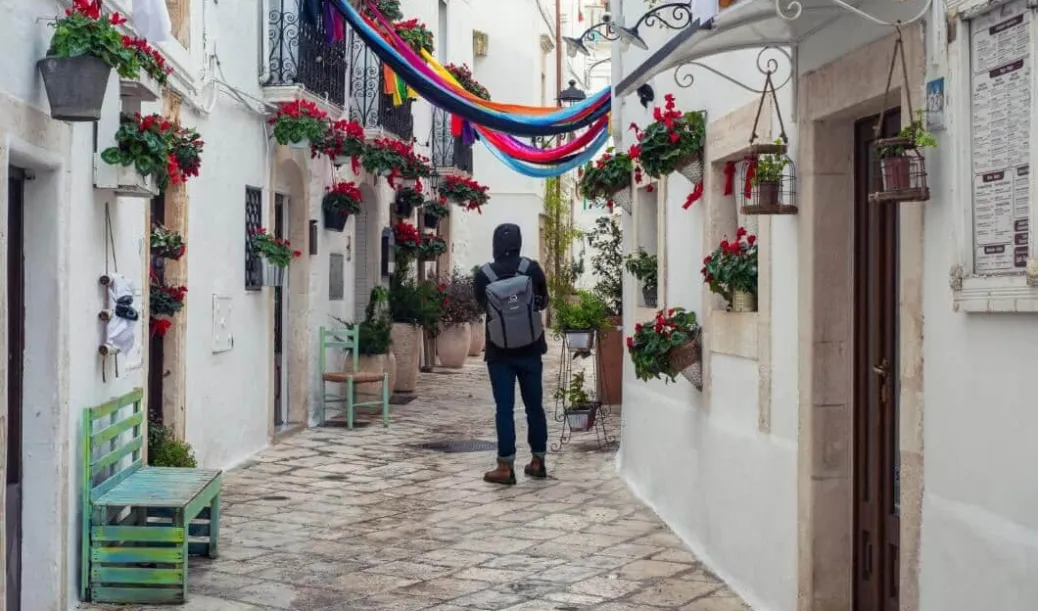 የግል ታሪካዊ ቤቶች ጣልያን የቱሪዝምና የባህል ጉዞ ልምዶችን እንዴት እየቀረጹ ነው">

Italy’s Historic Houses: A Hidden Gem for Tourists
In 2024, Italy welcomed over 35 million visitors eager to explore its historic residences—ranging from stately castles and villas to grand palaces. Remarkably, even less accessible inland villages attracted more than two million visitors, highlighting a dynamic shift in how heritage sites contribute to tourism beyond the usual hotspots. These private properties are more than just relics; they pulse with life and economic activity, breathing fresh energy into Italy’s cultural landscape.
Overview of Private Historic Residences
Scattered across every Italian region, approximately 46,000 historic residences serve as a cornerstone of local identity and tourism. Interestingly, about one-third are located in tiny municipalities with populations under 5,000. Without these heritage anchors, many small towns risk fading into obscurity. Far from being frozen in time as static museums, these estates thrive as active business ventures—over 60% engage in culture, hospitality, or agri-food production, and nearly 20% function as structured companies.
Changing Patterns: From Sightseeing to Immersive Stays
Visitors today crave immersive experiences, not just a quick tour. Reflecting this, 35% of these historic houses now provide accommodation, many offering overnight stays within centuries-old stone walls adorned with frescoes. Short-term rentals on these properties surged by 46% in a single year, with more than 3,700 venues available. Imagine spending a night waking up inside a 17th-century bedroom or savoring wine produced on the very estate you stay at—that’s tourism with soul.
Table: Growth of Hospitality in Historic Houses
| ጎን | Statistic |
|---|---|
| Historic houses offering overnight stays | 35% |
| Increase in short-term rentals in one year | 46% |
| Number of facilities offering rentals | 3,700+ |
Education, Culture, and Community Impact
Culture plays a vital role in these estates, with 58% regularly hosting school groups. In 2024 alone, over 20,000 properties organized public events, while more than 17,000 hosted free or socially focused initiatives. The owners testify that such activities generate significant benefits for local communities by fostering collaboration among farmers, wineries, restaurants, and outdoor tourism operators—essentially weaving a rich tapestry of regional economic vitality.
Financial Backbone: Private Commitment to Preservation
Nearly all restoration and upkeep are funded privately—owners invest an average of over €50,000 annually, maintaining these treasures with cherished care. Public assistance covers a mere 2% of expenditures. This centuries-old heritage remains under the watchful stewardship of families who regard their ownership not just as an obligation but as a privilege.
Farming and Viticulture as Pillars of Local Economy
Agricultural activity remains the economic heart for many estates. One in six historic houses still operates as a farm, a number that rose notably since the previous year. Viticulture dominates the scene, with roughly 25% of these properties growing grapes—and up to 36% among those that produce and sell wine. Olive oil and cereal production account for about 21% each. For many, agriculture is far from a hobby; it supplies over 75% of their annual earnings.
Table: Agricultural Production in Historic Houses
| Type of Production | Share % |
|---|---|
| Viticulture (grape growing) | 25% overall, 36% producers |
| Olive oil production | 21% |
| Cereal growing | 21% |
| Active farms among historic houses | 17% |
The Wine-Tourism Connection
The fusion of wine production and tourism is especially powerful. Every wine-producing historic house now extends tasting experiences, fueling a rise in visitors. Nearly 86% of estate owners reported a visitor increase last year, with a third seeing jumps above 30%. This blend of sensory delight and cultural immersion is a magnet for travelers eager to taste tradition firsthand.
Economic and Social Contributions Beyond the Cities
Together, Italy’s privately held historic residences infuse hundreds of millions of euros annually into the economy. Crucially, much of this happens outside large cities and popular tourist corridors. These estates preserve priceless architecture, rejuvenate depopulated villages, create skilled jobs, and safeguard artisanal skills—ranging from fresco restoration to ancient vine-growing practices. Without this sector, many rural areas would risk losing their unique cultural identity.
Summary of Italy’s Private Cultural Heritage
- Over 46,000 historic residences, many located in small rural communities
- More than 35 million visitors exploring these sites annually
- Historic houses operating as income-generating businesses—culture, hospitality, and farming
- Substantial private funding for restoration and upkeep (85% self-financed)
- Agriculture, especially viticulture, as a core economic activity
- Growing trend of accommodation in historic estates for immersive travel experiences
- Educational and public events strengthening community ties and local economies
Experience Italy’s Historic Houses with GetExperience.com
For travelers with a mind to dive deeper, platforms like GetExperience.com offer a seamless way to book visits and tours to these remarkable properties. What makes the platform stand out is its secure payment system combined with voucher confirmations, ensuring peace of mind when planning your trip. You can also request personalized excursions tailored to your preferences, receiving offers that match your taste and budget.
GetExperience’s extensive selection includes not only historic house tours but also options to combine cultural visits with local wine tastings, museum tours with live guides, or even adventure activities like rafting nearby. This thoughtful approach allows visitors to craft a rich cultural program that enhances any Italian holiday.
Why Personal Experience Trumps Reviews
While statistics and reviews provide valuable insight into Italy’s private heritage sector and its tourism boost, nothing compares to firsthand experience. Booking through a trusted platform like GetExperience ensures verified providers, fair prices, and quality assurance—helping travelers avoid unexpected expenses or disappointments. Here, convenience meets authenticity, making your cultural journey both rewarding and stress-free. ይሓዝ ጉዕዞኻ ጋር GetExperience.com to unlock the authentic charm of Italy’s historic houses and surrounding attractions.
መቋጫ
The growth of Italy’s privately owned historic houses marks a significant trend in sustainable tourism and cultural preservation. These living landmarks attract millions, support vibrant rural economies, and offer immersive travel experiences that go beyond sightseeing. With robust private investment safeguarding these treasures, Italy continues to celebrate its past while engaging tourists in unforgettable journeys through history and tradition. From wine tours and museum visits to adventure rafting and eco-friendly safaris nearby, travelers have a wealth of options to enrich their itinerary. Platforms like GetExperience perfectly complement this dynamic landscape by providing easy access to diverse cultural and adventure activities, ensuring a truly memorable Italian adventure.