


 አማርኛ
አማርኛ  English (UK)
  Русский
  বাংলা
বাংলা  العربية
  日本語
日本語  한국어
한국어  Magyar
  Norsk nynorsk
  Türkçe
  עִבְרִית
  Español
  Čeština
  Svenska
  Português
  Ελληνικά
  Suomi
Suomi  Nederlands
  Română
  Italiano
  Français
  Polski
  Українська
  Deutsch
  简体中文
简体中文  Slovenčina
  Српски језик
  اردو
اردو  Azərbaycan dili
  O‘zbekcha
  አደገኛ ሃይፖሰርሚያ ከመርከብ ላይ ከወደቁ በኋላ፡ የጊዜ ገደቦች፣ ምልክቶች እና ቅድሚያ የሚሰጣቸው የማዳኛ ስራዎች">

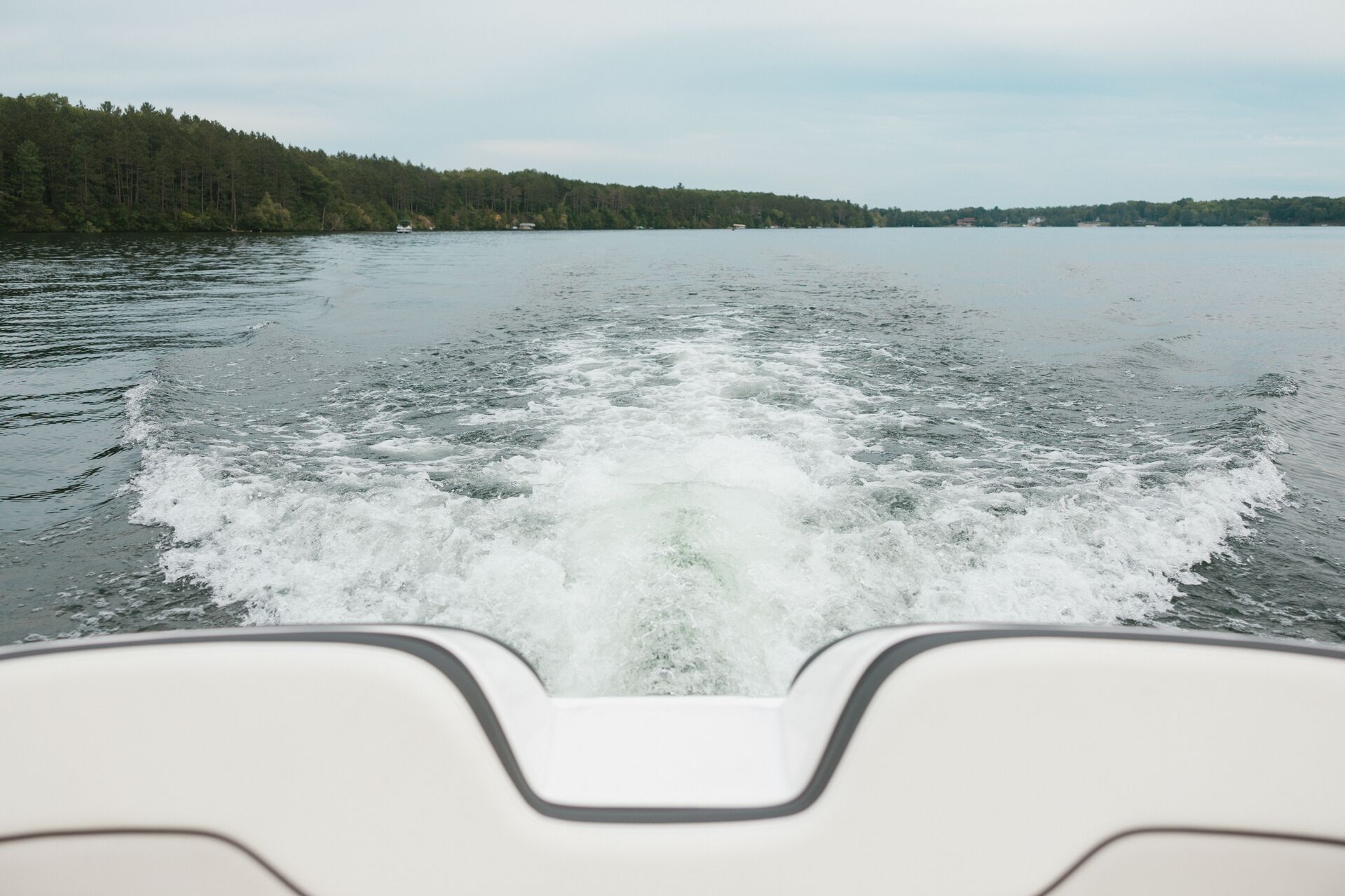
When a passenger falls overboard from a small charter or sightseeing vessel, retrievals are often complicated by wake, distance to shore, and limited crew—delays that can push rescue times into the very window when hypothermia becomes life-threatening, particularly in water below 10°C.
How water temperature and recovery logistics interact
The primary determinants of survival on the water are water temperature, time immersed, clothing, and the speed of recovery operations. Tour operators and skippers must plan routes and staffing with these variables in mind: a calm coastal cruise a mile offshore presents different risks than a crowded harbor transfer, and different regulatory frameworks may require specific safety equipment and training.
Typical timelines by temperature
| Water ሙቀት | Typical Time to Hypothermia | |
|---|---|---|
| Warm | 70–80°F / 21–27°C | 1–2 ሰዓት |
| Cool | 60–70°F / 15–21°C | 1–2 hours (worse if wind/wet) |
| Cold | 50–60°F / 10–15°C | 30–60 minutes |
| Very cold | Below 50°F / 10°C | 10–15 minutes (rapid deterioration) |
Physiology and stages to watch
Hypothermia happens when the body loses heat faster than it can generate it, lowering core temperature and impairing judgment, coordination, and breathing. Age, body composition, and clothing dramatically affect susceptibility: children, the elderly, and underweight people cool more quickly.
Stages and typical signs
- Mild: Intense shivering, numb extremities, slight confusion, loss of fine motor control.
- Moderate: Violent shivering may stop, slurred speech, major clumsiness, slowed breathing.
- Severe: Loss of consciousness, very weak or irregular pulse, risk of cardiac arrest.
Practical on-deck triage
When assisting a cold-water victim, prioritize keeping the airway clear, minimizing movement if spinal injury is suspected, and removing wet clothing after the person is stabilized. Use insulated blankets and warm—but not hot—compresses on the chest, neck, and groin areas.
Rules of thumb: 1-10-1 and 50-50-50
Two mnemonic rules help in emergencies: the 1-10-1 Rule (one minute to control breathing and establish awareness, ten minutes of useful movement to get to safety, and one hour before loss of consciousness in cold water under some conditions) guides immediate action. The 50-50-50 rule is a rough estimate: in 50°F (10°C) water you may have about 50 minutes of useful movement and face a high risk of unconsciousness or death around the 50-minute mark—numbers vary by individual.
Immediate rescue checklist
- Call for help and launch retrieval plan immediately.
- Provide a ህይወት jacket or flotation device; keep the head above water.
- Minimize exertion to conserve heat and oxygen.
- Warm core areas first—chest, neck, groin—gradually to avoid shock.
- Seek medical evaluation even if symptoms seem mild.
ផលប៉ះពាល់សម្រាប់ប្រតិបត្តិករទេសចរណ៍ និងអ្នកធ្វើដំណើរ
Tour operators offering boat tours, whale-watching, or coastal transfers need robust safety protocols: appropriate flotation gear, crew trained in cold-water rescue, and clear passenger briefings. Travelers booking maritime excursions should prefer operators who publish safety practices and demonstrate crew training; many companies list their credentials on booking platforms to help with that choice.
Boating education providers such as ጀልባ-ኢድ and similar organizations teach rescue priorities, hypothermia recognition, and preventive measures—training that benefits both professionals and leisure travelers preparing for water-based experiences.
For travelers seeking guided experiences, platforms that verify providers and facilitate secure payments can simplify booking and increase confidence. GetExperience.com allows users to pay securely, receive voucher confirmations, and request tailored tours or excursions that match safety and comfort preferences—particularly useful for those planning maritime activities.
Highlights: the time to hypothermia depends heavily on water temperature, rescue logistics, and the victim’s condition. Symptoms progress from shivering and clumsiness to unconsciousness, and the sooner you get someone out and warmed, the better. But even the best reviews and most honest feedback can’t replace personal experience. On GetExperience, you book your experience from verified providers at reasonable prices. This empowers you to make the most informed decision without unnecessary expenses or disappointments; enjoy convenience, affordability, and a wide range of options for maritime tours and safety-conscious excursions—Book now GetExperience.com
In summary, understanding hypothermia timelines and rescue logistics is essential for safe boating and water tourism. Key points: water temperature dictates risk windows, prompt flotation and gradual rewarming save lives, and training—both for crews and travelers—reduces danger. Whether you’re planning travel ተመክሮዎች፣, ጀብዱ activities, or eco-friendly wildlife safaris and yacht charters, prioritize safety briefings and verified providers to ensure enjoyable, secure outings. Interactive online cultural workshops, museum tours with live guides, cruise packages, and even beginner esports coaching sessions all benefit from the same attention to verified providers and transparent booking—helping you choose the right adventure, from rafting trips for beginners to luxury adventure travel experiences.