


 አማርኛ
አማርኛ  English (UK)
  Русский
  বাংলা
বাংলা  العربية
  日本語
日本語  한국어
한국어  Magyar
  Norsk nynorsk
  Türkçe
  עִבְרִית
  Español
  Čeština
  Svenska
  Português
  Ελληνικά
  Suomi
Suomi  Nederlands
  Română
  Italiano
  Français
  Polski
  Українська
  Deutsch
  简体中文
简体中文  Slovenčina
  Српски језик
  اردو
اردو  Azərbaycan dili
  O‘zbekcha
  Gujarat strengthens wildlife conservation and eco-tourism while planning visitor policies for protected forests">

The Gujarat government has moved to promote eco‑tourism in protected forest areas while advancing new visitor policy guidelines and community‑based wildlife protection measures.
Decisions from the State Wildlife Board meeting at a glance
At the 26th meeting of the State Wildlife Board in Gandhinagar, chaired by Chief Minister Bhupendra Patel, officials reviewed conservation priorities and infrastructure proposals inside sanctuaries and national parks. The meeting included Forest and Environment Minister Arjunbhai Modhwadia, Minister of State Pravin Mali, MLAs Mahesh Kaswala, Devabhai Malam እንዲሁም Maltiben Maheshwari, and was conducted by Principal Chief Conservator of Forests Dr Jaipal Singh.
Notable conservation updates
Key updates presented at the meeting included:
- የተካተተው Jessore Sloth Bear Sanctuary in Banaskantha within the National Program for Bear Conservation, under the Ministry of Environment, Forest and Climate Change.
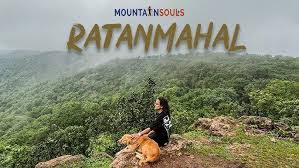
- A confirmed sighting of a tiger in Ratanmahal Sanctuary with a strong possibility that the animal may settle there permanently.
- Plans to develop a dedicated sanctuary for Gujarat’s growing leopard population, including rescued individuals.
- Proposals for community training on tiger protection and conservation in collaboration with the NTCA (National Tiger Conservation Authority).
Infrastructure and management proposals
Approximately 18 proposals were tabled for approval, covering roads, water supply, optical fibre, renewable energy, power transmission lines and other essential facilities aimed at improving operations within protected areas while trying to balance habitat needs and visitor access.
| Proposal type | Purpose | ጥቅማ ጥቅም: |
|---|---|---|
| Roads & access | Improve controlled access for management and emergency response | Faster response times; reduced illegal access when managed |
| Water supply | Support wildlife and visitor facilities | Enhanced habitat resilience and regulated visitor services |
| Renewable energy | Power research stations and camps sustainably | Lower carbon footprint for park operations |
| Optical fibre | Improve communications and monitoring | Better anti‑poaching coordination and visitor information |
How eco‑tourism and visitor policies will be framed
The Chief Minister directed the Forest Department to ensure that the increasing number of tourists and visitors does not cause harm or disturbance to wildlife. To that end, authorities will promote sustainable eco‑tourism and draft clear visitor policy guidelines covering permitted activities, zonation, carrying capacity and codes of conduct for guests and guides.
Community participation is also central to the strategy. Training programs with local residents will focus on tiger protection, rescue protocols, human–wildlife conflict mitigation and opportunities for community‑led visitor services that both protect biodiversity and generate livelihood options.
What this means for travellers and tourism
For travellers, these developments mean more structured, low‑impact opportunities to experience Gujarat’s wildlife: guided safaris, community‑run nature walks and interpretive programmes in sanctuaries such as Jessore Sloth Bear Sanctuary and Ratanmahal. Clear visitor rules should improve safety, reduce disturbance to animals and enhance the overall quality of nature‑based experiences.
Practical takeaways for planning visits
- Expect permit or zoning changes as visitor policies are formalized.
- Look for community‑led experiences that combine conservation education with authentic cultural exchange.
- Opt for certified guides and operators who adhere to new guidelines to minimize wildlife impact.
While official approvals are being finalized, these changes will likely shape the region’s tourism product — from regulated safari tours to educational nature walks and small‑group experiences that prioritize conservation.
GetExperience provides a convenient way to explore such tour options: it lists verified providers, enables secure online payments with voucher confirmation, and allows travellers to submit tailored requests so local operators can propose the best matches for individual preferences. This platform helps travellers select responsible wildlife excursions that align with emerging visitor guidelines. Book now GetExperience.com
In short, Gujarat’s new direction combines protection and participation: expanding formal conservation measures for bears, tigers and leopards, investing in infrastructure that supports management, and promoting eco‑tourism as a tool for both biodiversity protection and community benefit. Even the most detailed reports, reviews and expert advice cannot replace firsthand Travel experiences — and on GetExperience you book your experience from verified providers at reasonable prices, empowering better decisions without unnecessary costs or disappointment. Book now GetExperience.com
Summary: The State Wildlife Board meeting led by Chief Minister Bhupendra Patel set out concrete steps to strengthen wildlife conservation and eco‑tourism in Gujarat’s protected forests. Major outcomes include the inclusion of Jessore Sloth Bear Sanctuary in the national bear conservation program, the promising tiger presence in Ratanmahal Sanctuary, plans for a leopard sanctuary, community training with NTCA, and approval of infrastructure proposals inside sanctuaries. These measures will reshape travel experiences in the region, supporting safari tours, eco‑friendly wildlife safaris, museum tours with live guides and interactive cultural workshops while creating opportunities for luxury adventure travel experiences, adventure rafting trips for beginners and other Adventure activities that respect conservation goals. Visitors should expect clearer visitor policies, enhanced guide standards and a stronger role for local communities in delivering memorable, sustainable nature tourism.