


 አማርኛ
አማርኛ  English (UK)
  Русский
  বাংলা
বাংলা  العربية
  日本語
日本語  한국어
한국어  Magyar
  Norsk nynorsk
  Türkçe
  עִבְרִית
  Español
  Čeština
  Svenska
  Português
  Ελληνικά
  Suomi
Suomi  Nederlands
  Română
  Italiano
  Français
  Polski
  Українська
  Deutsch
  简体中文
简体中文  Slovenčina
  Српски језик
  اردو
اردو  Azərbaycan dili
  O‘zbekcha
 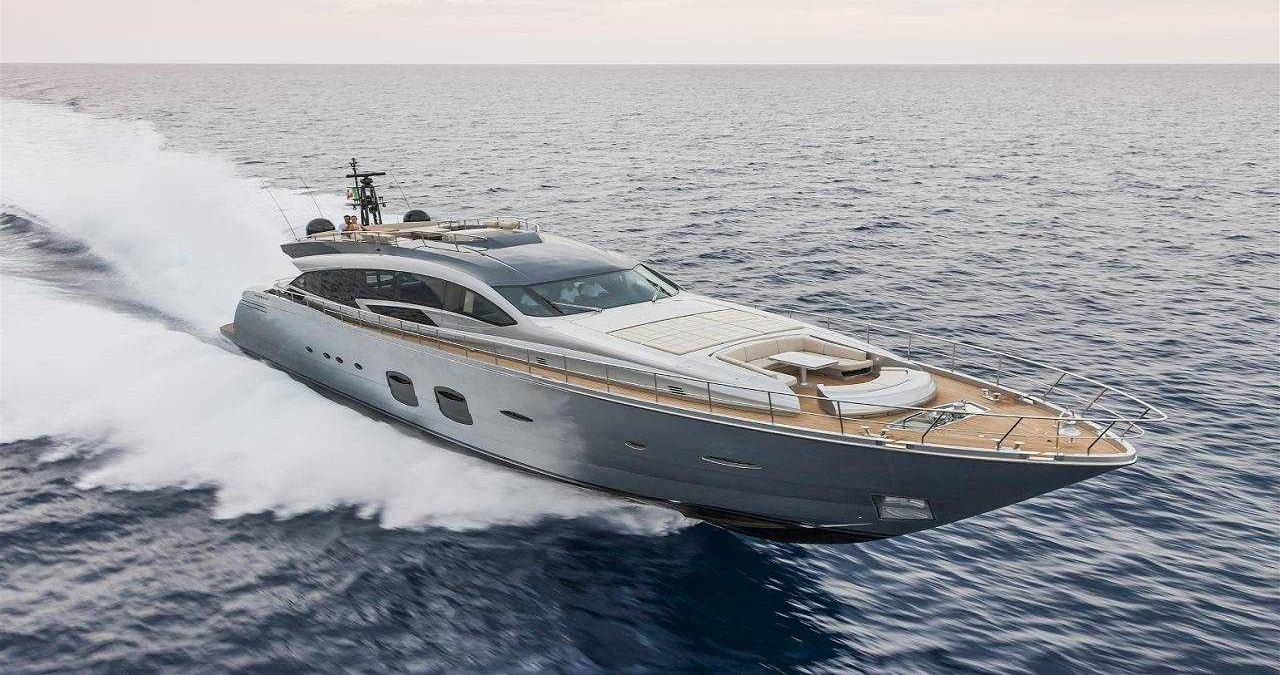 ያሜሪካ እና አውሮፓ ሱፐርያችቶች፡ ለባለቤቶች እና ቻርተሮች ተግባራዊ ምርጫዎች">

Florida’s marina network and refit yards concentrate brokerage activity during Miami and Fort Lauderdale boat shows, enabling coordinated ሕቶታት, sea trials, customs clearance, and flag transfers for superyachts arriving from Europe or transiting to the Caribbean.
Why the Atlantic Divide Matters
The split between American and European superyachts is rooted in operational logistics: regional cruising patterns, builder specialisations, and service infrastructure shape hull choice, systems selection, and resale prospects. If you have a mind to cruise the Bahamas for weekends or cross oceans, that intent drives virtually every technical decision.
American Superyacht Profile
Typical attributes of American and some Southern European semi-custom builds include a focus on:
- Regional cruising—Florida, Bahamas, Caribbean
- Composite/GRP hulls in the 35–50 metre band
- Practical deck layouts and family-friendly outdoor spaces
- Wide availability of local technicians and spare parts
European Superyacht Profile
Northern European and Italian yards typically emphasise:
- Custom or semi-custom projects, often 60 metres and above
- Steel hulls with aluminium superstructures for long-range comfort
- Design-forward exteriors and flexible interiors
- Global cruising and charter potential
Build Quality and Construction
Hull Materials: GRP, Steel, and Aluminium
American and Southern European Builds
Many American yards favour GRP/composite hulls for mid-size yachts—light, fast, and well-serviced across the Caribbean. Repeat platforms reduce build time and cost for buyers focused on regional use.
Northern European Builds
Large European yachts commonly use steel hulls with aluminium superstructures to balance strength, volume, and weight. This configuration is better suited to long passages and higher displacement comfort.
Engineering and Systems
Top builders on both sides invest in robust propulsion and hotel systems, but priorities differ:
- European yards prioritise low noise, hybrid options, high hotel loads and long-range tankage.
- American yards favour proven engines and widely familiar components for easier regional maintenance.
Survey Checklist
- Engine and generator hours
- Stabiliser type, condition and service history
- Battery/hybrid system records
- Current classification, last major survey, and upcoming yard periods
Style, Interior and Resale
Exterior and Interior Differences
American yachts often present a practical, family-oriented aesthetic—upright profiles, expansive shaded decks and full-beam social spaces. European yachts lean toward sculpted lines, long glazing and integrated beach clubs designed to make an impression in Monaco or St Barths.
How Style Impacts Resale
Neutral, timeless interiors from reputable builders typically attract more buyers. Highly personalised décor—regardless of origin—often leads to refit negotiations and can reduce market appeal.
| Feature | American / Southern Europe | Northern Europe |
|---|---|---|
| Typical hull | GRP / Composite (35–50m) | Steel hull + Aluminium superstructure (60m+) |
| ዋና አጠቃቀም | Regional cruising, family weekends | Global passages, charter market |
| Service network | Strong in US & Caribbean | Global yards and class support |
Operating Profile: Range, Speed, Crew
Range and Hull Type
Semi-displacement or planing hulls suit owners wanting speed for regional hops; full displacement hulls favour long-range efficiency and comfort. Ask for range at realistic cruising speeds and match numbers to your intended passages.
Crew and Maintenance
Longer, more complex yachts require larger crews and higher annual running costs. Be realistic about management demands: a 40 metre GRP yacht can have a lean crew, while a 60 metre custom will need specialist operators and scheduled yard time.
Choosing Between the Two: Practical Questions
Map decisions to how you will actually use the yacht:
- Are most cruises going to be Florida–Bahamas weekends or multi-week transits?
- Do you value an easier local service network or global charter potential?
- Is resale or charter income part of your long-term plan?
For buyers who also value tourism options, charter operators and brokers can convert a yacht into an experiential product: exclusive yacht charters for events, yacht parties and cruise packages link directly to local excursion demand, while museum tours, eco-safaris and on-board cultural programming enhance guest appeal.
At a glance: GetExperience simplifies booking and research for travellers and charterers alike, offering secure online payments with voucher confirmation and the option to submit tailored requests so providers send offers that match your needs. That transparency and convenience make it easier to plan trips, shore excursions, or private yacht days without surprises. Book now GetExperience.com
In summary, choose a superyacht that fits your cruising logistics rather than its country of origin. American and Southern European composite builds excel for regional, family-focused use with easy service; Northern European steel/aluminium yachts suit long-range, design-led and charter-minded owners. Consider hull material, systems, range, crew requirements and resale when shortlisting. Whether you seek luxury adventure travel experiences, yacht parties, exclusive yacht charters for events, or eco-friendly wildlife safaris, aligning technical choices with your travel experiences and charter goals will deliver the best long-term value. Personal experience still trumps reviews—book wisely and enjoy the voyage.