


 አማርኛ
አማርኛ  English (UK)
  Русский
  বাংলা
বাংলা  العربية
  日本語
日本語  한국어
한국어  Magyar
  Norsk nynorsk
  Türkçe
  עִבְרִית
  Español
  Čeština
  Svenska
  Português
  Ελληνικά
  Suomi
Suomi  Nederlands
  Română
  Italiano
  Français
  Polski
  Українська
  Deutsch
  简体中文
简体中文  Slovenčina
  Српски језик
  اردو
اردو  Azərbaycan dili
  O‘zbekcha

Implement mandatory waste sorting at lodges and base camps now to curb waste along everests routes. Place clearly labeled cans at every stop and create a dedicated zone for handling refuse; empower guides to enforce the policy during ascents and descents, making cleanliness part of the climbing culture.
In addition, implement four-zone control systems across operations: base camps, lodges, trailheads, and protected zones. This structure helps track waste streams, monitor adherence, and coordinate cleanup teams, while giving local communities a clear role in stewardship. This covers four zones and helps track waste streams, monitor adherence, and coordinate cleanup teams, while giving local communities a clear role in stewardship.
Whether climbers travel with guides or pursue independent routes, the plan ensures waste does not reach rivers or soils. It gets በጎ ፈቃደኞች to join regular cleanup drives that build trust between teams and locals.
Decades of tourism growth have reshaped the alpine body; the policy must adapt with changes in funding, training, and enforcement to align with everests ambitions and extend reach to remote zones, including the alpine zone near base camps.
Remember the example set by norgay legends: respect for the mountain starts with small acts at the base. By coordinating with four operations teams, lodges, and community bodies, we can curb waste while preserving the character of the route for decades to come, keeping the experience authentic rather than sterile.
Practical questions on waste management, policy, and traveler responsibility
Adopt a refundable deposit on waste at trailheads and lodges along the everests routes, with a clear take-back system. Travelers pay the deposit at check-in and receive it back when they return all bags of waste to designated facilities. Lodges should integrate this into a national framework, funded by campaigns and shared with the economy that supports local guides and porters. This move is significant and nearly eliminates litter, preserves water quality, and keeps access open for mountaineers on extreme terrains like Lhotse.
Key questions include: who funds the system, how are deposits set, how refunds are issued, what facilities exist to collect waste, and how to monitor left waste on high camps. The answers shape policy and define your part as a traveler. Anyone planning a trip should know what to carry, how to pack, what to declare, and how your cards can be used for deposits and refunds, streamlining payments at remote camps. Bring clarity to responsibilities on the trail and set a standard anyone can follow.
Practical steps keep the economy balanced with the environment. Provide various bags and bins near every lodge and base camp, color-coded for recyclable, compostable, and trash. Install water refilling stations to cut bottle waste and advise guests to preserve water resources. Run a transparent monthly tally and publish results to guide adjustments. This is a call to action that anyone can join, whether at a lodge on the base or along the Everest routes, and it should include a campaign that minimizes bass-heavy equipment at camps to reduce waste and noise, especially on the Lhotse side.
| Policy element | Traveler action | Estimated impact | Implementation cost |
|---|---|---|---|
| Deposit + take-back | Return waste in provided bags; refunds via cards | Estimated 40–60% drop in single-use waste | Moderate capital; offset by deposits |
| Waste segregation & reporting | Sort into recyclables, organics, trash; share data with lodge managers | 30–50% improvement in data quality; cleaner camps | Staff training; simple digital forms |
| Plastic-free zones at lodges | Avoid disposables; use reusable bottles and cups | 25–40% less plastic waste | Initial purchase of reusable wares; ongoing refills |
By design, these steps preserve the landscape, support local livelihoods, and clarify responsibilities for mountaineers on everests routes, including the challenging Lhotse side.
What is the current waste footprint along the Everest trek from Lukla to base camp?
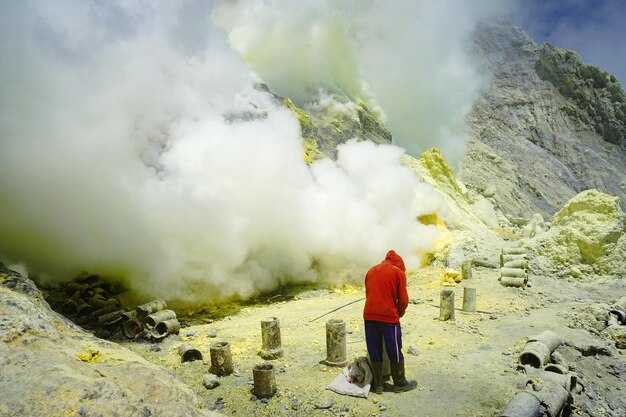
Adopt a strict pack-in pack-out rule for every trekking operator and visitor, and ensure you carry back all waste; this action immediately cuts ground waste along the Lukla-to-base-camp route and produces clear results.
Current waste footprint along the Lukla-to-base-camp trek runs roughly 20–30 metric tons per climbing season, with peak periods spanning about seven weeks each (spring and autumn). Because packaging dominates the load, targeted reduction at source yields the fastest gains.
Plastic bottles and packaging dominate the load, making up about 60–70%, while organic waste accounts for roughly 20% and metals plus others for 10–15%. In addition, the flow of waste travels over the high passes from Lukla into Namche and beyond.
Per-visitor non-organic waste averages 0.8–1.2 kg on a typical trek, with higher figures than 1.2 kg for each additional provision, sometimes reaching 1.5–2.0 kg for extended trips.
Oxygen cylinders and batteries remain a significant challenge; effective combat against waste requires clean-up teams that remove thousands of such items each season, concentrated around Namche, Tengboche, and Lobuche during the climb to base camp.
Before each season, authorities publish footprint projections to guide operators, lodges, and guides in targeting the highest-flow areas and tailoring education to nepali and tibetan communities along the route; this helps keep the plan actionable.
Seven practical steps can curb the footprint: implement a refundable deposit on containers; enforce pack-out of all non-organic waste; install portable waste containers at key checkpoints; run seasonal clean-ups with local volunteers; expand backhaul links with suppliers to cut on packaging; promote sustainable gear and reusable bottles; and educate visitors online via internet resources and pre-trip briefings to reach nepali and tibetan communities on both sides of the route.
The tibet region shares similar problems and has developed models for waste separation, disposal, and seasonal cleanup calendars that the tibet and nepali communities along the route can adapt; applying these lessons strengthens the route beyond mountains and snow, helping visitors climb with a smaller footprint and a higher standard of care.
Keep the momentum by publishing annual data on the waste footprint, reinforcing accountability for gear choices, and encouraging visitors to bring nothing back beyond what they carry in; this approach supports sustainable trekking long into every season.
Who is responsible for collecting and disposing of trash at campsites and on popular routes?
Assign clear accountability to expedition organizers and base-camp authorities; they must coordinate with Nepal’s authorities and nepals-based crews to execute daily cleanups and proper disposal. The plan must rise above ad hoc efforts and become part of every expedition, from the base to high camps, including the lhotse ascent.
- Accountability and roles
- Ground operations and waste streams
- Deposits, sanitation, and sorting
- Data, transparency, and reporting
- Enforcement, incentives, and continual improvement
Accountability starts with a published roster of who does what, whom to report violations to, and when. Authorities set the rules, expedition outfits implement them on the ground, and base camps manage day-to-day collection. In practice, the transfer of waste from above to the depots must be logged into a formal system so every kilogram is traceable, very visible, and actionable. This approach works even in difficult, extreme, harsh weather and frozen conditions, where the rise of discarded items can outpace simple sweep efforts. The goal is to keep routes famous for their challenge rather than for the amount left behind.
- Ground operations and waste streams: designate a field team at each camp who collects, sorts, and deposits waste into clearly labeled bins. Separate plastics, metal, organic matter, and hazardous items like batteries and oxygen canisters for safe disposal or recycling. Include a backup crew for the ascent and the Lhotse corridor in case of weather delays. This keeps contamination out of ice and rock where it would otherwise linger above frozen ground.
- Deposits, sanitation, and sorting: implement a deposit system that rewards returnable containers and ensures proper sanitation infrastructure at camps. Every item should move through a defined channel–from deposit point to transfer vehicle–so nothing remains left behind. Include signage and simple checklists to help climbers understand what goes where, and how to handle delicate items like wine bottles without breaking the trust of local communities.
- Data, transparency, and reporting: publish season-by-season results on the internet, with totals by site and route. Use objective metrics: weight or volume collected, rate of return, and follow-up actions. Share challenges and successes openly to build accountability among guides, sponsors, and authorities, and to encourage more climbers to participate in cleanup efforts.
- Enforcement, incentives, and continual improvement: establish penalties for littering and rewards for teams that achieve targets. Require expedition sign-offs after summited events, ensuring that every crewemployee contributes to sanitation and waste-handling duties. Regular audits should feed into a plan that adapts to seasons, weather, and the logistics of difficult climbs.
Actionable tips for climbers and organizers: carry a compact waste bag on ascent and keep it sealed until a proper depot is reached. If you cannot deposit immediately, hold items securely rather than leaving them in exposed places above camps. The very act of packing out every piece, including small items like bottle caps and corks, reduces long-term impact. For famous routes, the cumulative effect of small steps matters more than a single heroic ascent; the result is cleaner camps, safer climbs, and a sustainable tourism model that benefits the local economy and the environment. We suggest that every expedition incorporate a pre-season plan, a mid-season check, and a post-season report to keep the system robust into the next year’s seasons.
What penalties or rules govern littering, plastic use, and waste disposal in Sagarmatha National Park?

Begin your trek with a clear plan: every item you bring must be tracked to return to an appropriate trash point. Sagarmatha National Park is located in eastern Nepal, and its management policy requires pack-out of all non-biodegradable waste. Bring two sturdy sealable bags per person for garbage and recyclables, and keep them inside your main pack so they stay closed and odor-free. Use reusable bottles and avoid single-use plastics; climbers and adventurers should consider a compact, portable waste kit with a grabber tool to collect litter along the route, so you can carry back any litter you find.
Rules and enforcement: The park prohibits littering anywhere within Sagarmatha’s boundaries. Rangers issue on-the-spot fines for improper disposal and can deny entry or evacuation for repeat offenses; penalties fall under Nepal’s National Parks and Wildlife Conservation Act, and local district authorities may pursue legal action for serious violations. In practice, most cases are addressed with fines, but organizers may impose additional charges if crews leave behind garbage. For decades, the SPCC and local communities have led cleanup operations that set a standard beyond popular trekking routes.
What you can and cannot do: Carry out all packaging waste; do not burn trash; avoid throwing items into streams; use designated disposal points at camps; if no facility exists, take waste to the next stop. Do not leave garbage behind in camps; keep a personal cards checklist listing items collected and sign off with your guide at the end of each day. Prioritize compact, lightweight bags; keep your recycling separate from general garbage and bring it to the next official drop-off point.
Practical tips for private and group treks: Involve your private operator or guide in the waste plan; request a written waste-management protocol before you go; assign a team member to lead daily cleanup; designate a simple color-coded bag system to separate plastics, metals, and organics where possible. Many groups publish their plan on the internet to spread best practices; this boosts involvement and trust with local communities. Also, bring a compact spade for snow and soil-safe disposal, and keep a few extra bags in case of crowding near ladders and high-traffic sections where garbage accumulates.
Environmental and cultural context: The harm from garbage extends beyond camps; poor disposal disrupts the ecosystem, affects wildlife, and affects river flow in the region above the mountains. Snowmelt carries litter into streams, increasing problems for downstream communities. Nepalese guides and local teams have spent decades coordinating cleanup with private operators and volunteers, building a body of experience that many campaigns rely on. This Nepalese effort is famous among adventurers, and it also teaches respect for Tibetan heritage along routes around the park; behind these efforts lies a strong sense of stewardship that will benefit climbers, the climate, and the broader ecosystem.
What practical steps can climbers and trekkers take to minimize waste before, during, and after their expedition?
First, pack out all solid waste in sealed bags and carry a dedicated waste bag for the ascent and return. These actions prevent littering and reduce the impact behind campsites in the Everest region. Use a waterproof pouch for the bags and keep them easily accessible on your pack so you can respond quickly between camps.
Before departure, there are four practical steps climbers can follow: minimize packaging by choosing gear with reusable components; switch to bulk foods and refillable bottles; carry a compact waste kit with sealable bags and toilet paper; and coordinate with your መመሪያ to map a sanitation plan for base camps located along the route, including considerations for weather and routes near Tibet tibet.
During the ascent and at camps, avoid littering and keep waste contained. Store all packaging and wrappers in a dedicated bag, and sweep the area before breaking camp to prevent residues behind. These routines apply to both mountaineering teams and solo climbers, especially those located on popular routes where small mistakes multiply into a larger problem.
Sanitation matters on every step: use biodegradable products, opt for biodegradable wipes when possible, and pack out used toilet paper. If formal latrines aren’t available, use human-waste bags and defecate far from water sources and campsites. Respect established distances from streams and avoid leaving traces behind, even when weather is challenging and space is limited–your action now protects water quality and local livelihoods.
After the expedition, return all waste to home for proper disposal and perform a final campsite sweep. Notify your መመሪያ and the team if you encounter waste that was overlooked, and report it to improve practices for the next season. For those who summited, this final step remains essential: these habits preserve the same pristine conditions that attract mountaineers and visitors, ensuring the experience remains sustainable for decades to come. By handling waste responsibly, four simple actions can prevent the cumulative impact that would otherwise linger behind and around base camps, helping the mountains stay as welcoming as possible for both locals and visitors.
How can local communities, NGOs, and tour operators collaborate to fund and sustain clean-up initiatives?
Create a joint fund with transparent governance, led by Nepalese communities, NGOs, and tour operators. Build a simple, systems-driven framework and commit to a decades-long plan with quarterly public updates. This effort should preserve the pristine snow and mighty ecosystem that support climbers and local livelihoods.
Funding sources should combine a small levy on climbing fees, fundraising campaigns via the internet, donor cards for regular supporters, corporate sponsorships, and national grants. For example, a 0.5% levy on guiding fees during Everest and Lhotse seasons can generate steady support, while online campaigns turn global interest into concrete action and monthly updates keep contributors engaged.
Allocate resources to cleanup operations in high-altitude zones and at base camps, with dedicated teams to remove litter, sort waste, and transport it to designated points. Invest in waste-management infrastructure that can handle tons of waste each season, and establish partnerships with local transport providers to avoid backlogs during peak climbing windows.
Integrate biogas systems at key camps to process organic waste and power cooking stoves, reducing fuelwood use and emissions. This environmentally respectful approach cuts back on forest pressure and creates a tangible, visible impact for climbers and nearby communities.
Design campaigns that educate climbers and trekking crews about littering, waste separation, and responsible camping. Provide practical training to Nepalese guides and porters, and implement a standard set of procedures for camps to combat littering after busy periods and to keep trails safe for both climbers and wildlife.
Engage donors with donor cards and transparent dashboards that show where funds go, including on-ground cleanup days, camp repairs, and biogas installations. Keep the momentum alive by sharing monthly progress and inviting feedback through the internet, social channels, and regional events that connect worlds of tourism, conservation, and local communities.
Establish clear impact metrics: waste removed and recycled, number of high-altitude camps adopting proper waste systems, reductions in littering, and improvements to the alpine ecosystem. Regular third-party reviews validate progress and guide adjustments, ensuring the campaign remains focused on what works and what can be scaled in famous routes across Nepal.
Coordinate with national parks and local authorities to align policies, monitoring, and enforcement while preserving civil partnerships with trekking agencies. By combining the strengths of communities, NGOs, and tour operators, the approach gains longevity–support that can rise through decades and become a model for sustainably preserving Nepal’s mighty Himalaya, including routes to Lhotse, while maintaining the ecological balance and the well-being of Nepali guides and climbers alike.