


 አማርኛ
አማርኛ  English (UK)
  Русский
  বাংলা
বাংলা  العربية
  日本語
日本語  한국어
한국어  Magyar
  Norsk nynorsk
  Türkçe
  עִבְרִית
  Español
  Čeština
  Svenska
  Português
  Ελληνικά
  Suomi
Suomi  Nederlands
  Română
  Italiano
  Français
  Polski
  Українська
  Deutsch
  简体中文
简体中文  Slovenčina
  Српски језик
  اردو
اردو  Azərbaycan dili
  O‘zbekcha
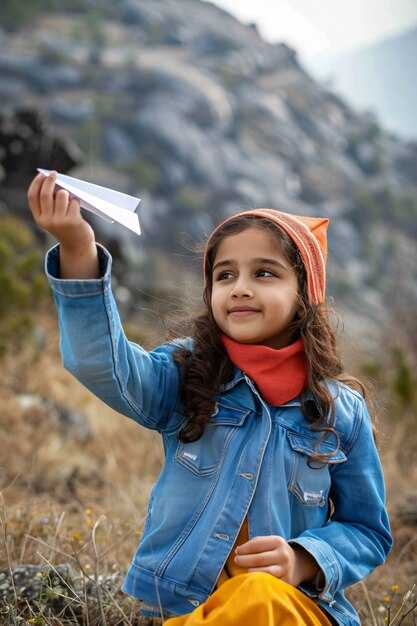
Plan a two-week family trip with a slow pace to maximize fun for everyone. Start with a focused route that combines a couple of kid-friendly cities with one nature or cultural site. You will avoid rushed days if you map light travel days and include rest time. Target two regions: the plains of Rajasthan (rajasthan) for forts and color, and the himalaya foothills for fresh air, easy hikes, and great views.
Be proactive about safety and climate so risks stay low. In winter or at high altitudes, nights turn cold in the himalaya, so pack warm layers for everyone and a compact blanket for chilly bus rides. In desert areas of rajasthan, daytime heat can drop after sunset, and risks are mostly about dehydration; carry water bottles, hats, sunscreen, and a simple first-aid kit. Swimming in coastal pockets is great, but supervise near water and keep reachable toys and snacks to calm kids during waits. ማሸግ lists should include a compact emergency plan and copies of travel documents; you will thank yourself later.
Choose experiences that get kids involved and that show the country’s variety. ናይ rajasthan, ride a camel near dunes of the Thar, visit ከተማታት with easy walking routes, and watch puppet shows or folk music that are friendly to families. In the himalaya region, do short, really easy treks, take a cable car if available, or simply stroll markets in hill towns. If you’ve tried a trip like this before, you know the value of rests between activities; stop for toys breaks and quick snacks so kids getting energised doesn’t derail plans. The route shows that you can have a wonderful time with a pace that is not too tight, and you’ll need only a few smart adjustments to keep everyone engaged.
Plan stays and meals around kids’ rhythms to avoid fatigue. Book family-friendly hotels with central locations, a small pool, and safe play areas. In rajasthan, pick haveli-style stays that are comfortable and close to sights; in the himalaya, choose cozy homestays with reliable heat. Schedule meals and naps to align with local timings; this approach will reduce crankiness and make days smoother. thankfully, most places offer kid-friendly menus and easy-to-find dairy snacks. Pack a small kit for yourself as well, with medicines, chargers, and a compact travel-notes pad so you can track what worked well at the end of each day.
Keep a flexible plan and communicate with your kids. Let little ones choose a preferred activity each day, and have a backup option in case weather or crowds shift plans. The approach will keep enthusiasm high and reduce stress for yourself and travel companions. Remember to pack light, but with essential items for swimming in coastal spots and safe outlets for toys during long drives. If you stay mindful of climate ቀዝቃዛ or heat, you can enjoy the trip without pushing anyone beyond their comfort zone.
Practical tips for a kid-friendly Indian adventure
A packed daypack for each child with water, snacks, a sun hat, sunscreen, a small toy, and a simple map ensures smooth mornings. Plan a flexible pace that balances moving between sights with downtime, so dinners and rests align with kids’ energy. In southern India, begin with cooler morning sites and finish outdoor time before the heat.
Choose a handful of common, kid-friendly spots that offer different experiences: parks for running, interactive museums, and safe rides in family zones. Meanwhile, keep a loose plan and be ready to switch to a quieter activity if crowds grow or a child needs a break. Certainly, this approach helps everyone stay happy.
When you visited ellora caves, go early to beat crowds, bring a light snack, and schedule short blocks for exploration. If a tunnel or enclosure feels long, switch to a nearby park or street market for a quick game. This balance helps keep energy steady and curiosity high.
Going between sites, limit daily totals to two main spots and one finish spot for play. Hands-on toys, sticker books, and crayons stay in a small bag for quiet moments among crowds. Hold hands at crossings to stay close. Only this approach keeps pace predictable for kids and gives adults a moment to breathe. Being mindful of heat, carry a light jacket for late afternoons.
Look for family passes at the lowest price tier and buy ahead when possible. traveled families often save time by choosing routes with frequent rest stops and clear signage. For dinners on long travel days, pack simple options like paratha or roti with yogurt, plus fruit and nuts for energy.
Finally, empower kids by letting them choose a snack spot or a favorite toy shop each day, going with the flow to keep spirits high. Like other trips, the best memories form when pace stays comfortable, safety stays high, and everyone finishes with a sense of adventure and a nice story to tell.
Plan a kid-friendly itinerary with downtime and flexible pacing
Plan two city highlights per day with a built-in 2-hour downtime for snack breaks, nap, or play; keep evenings relaxed and flexible so kids can regroup and families can enjoy the moment.
Structure each day around a couple of small, kid-friendly landmarks, a park or plaza for a plain yet pleasant break, and an easy option for adventures that fits the mood. If a site is loved by your traveler, extend the visit by a short amount; if interest wanes, switch to a nearby cafe or playground to avoid stress and keep energy up.
Pack a small thermos with hot water or milk, carry bread or snacks for quick energy, and print a simple map or list of tickets ahead of time. Choose public transport routes with window seats to enjoy views everywhere, and keep the pace flexible so you can adjust to weather, crowds, or a curious moment at a city landmark or a wildlife refuge nearby.
In India, mornings stay cooler and crowds are lighter, so aim to start around 9:00 and finish by 16:30 with a long, calm downtime in the afternoon. Reserve a couple of days for a nearby wildlife patch or park, where short, guided walks and kid-friendly stations help little travelers enjoy the idea of nature without fatigue.
Print a lightweight plan and keep it in a pocket; this helps you stay organized and reduces stress. For busy sites, buy tickets ahead or choose venues that allow simple entry with a single scan. The cadence should feel spontaneous but organized, so each day finishes with a nice meal and time to reflect on the adventures you enjoyed together.
| Day | Առավոտյան | Downtime | Afternoon | ምሽት |
|---|---|---|---|---|
| Day 1 | Stroll a compact city loop visiting 2 landmarks (9:00–11:00). Pick stroller-friendly routes with short breaks; aim to stay within a 3–4 km radius. | Park break or cafe stop (11:15–13:00); serve a simple snack from a thermos or carry bread; kids rest and reset. | Hands-on museum or interactive exhibit (14:00–16:00) to spark curiosity and keep energy steady. | Light market stroll and kid-friendly dinner (16:30–19:00); print a map for easy navigation. |
| Day 2 | Public transit hop to a second set of kid-friendly sites (9:30–11:30); choose seats by windows for view everywhere. | Lunch and quiet time at a plaza or hotel garden (12:00–14:00). | Short wildlife encounter at a nearby park or sanctuary (14:30–16:30); keep walks plain and safe for little feet. | Ice cream and a relaxed stroll by a riverside or waterfront (17:00–19:00). |
| Day 3 | Animated neighborhood walk with a couple of storytelling spots (9:00–10:45); take brief breaks as needed. | Downtime back at the hotel or a shaded courtyard (11:00–13:00). | Creative workshop or kids’ exhibit (14:00–15:45); hands-on activity boosts engagement. | Evening snacks, quiet street views, and a flatbread dinner (16:30–19:00). |
| Day 4 | Visit a city landmark and nearby temple complex or heritage site (9:30–11:30); plan easy paths and photo windows. | Lunch and nap time or playground visit (12:00–14:00). | Short train ride or tram to a park with wildlife watch (14:30–16:30); keep it within comfortable transit. | Final souvenir walk and a relaxed dinner near a park (17:00–19:00); note what the kids loved for future plans. |
Pack smart for kids: must-haves, meds, and adaptable clothing
Always pack a compact, labeled daypack that holds a kid-specific kit for daily needs. This keeps attention on something familiar and leaves hands free for exploring, helping minds stay calm.
- Must-haves
- Kid-sized daypack with a name tag and waterproof sleeve
- IPADS preloaded with games, stories, and offline maps
- Emergency contact card and copies of visas and important documents
- Reusable water bottle and a small snack pouch with non-messy foods
- Sunscreen SPF 30+ and a brimmed hat; lightweight rain jacket for morning showers
- Compact first-aid kit with plasters, antiseptic wipes, and fever reducer
- Motion sickness bands or chews for long rides
- Medications clearly labeled with a doctor note; store extras in a sealed pouch
- Wet wipes, tissues, hand sanitizer; a small towel for beaches or spills
- Mini flashlight, whistle, and a safety card with emergency numbers
- Small notebook or folded map for recording sights; spare pen
- Portable charger and charging cable
- Medications
- Prescriptions with original labels and a doctor note; carry copies
- OTC items: pain reliever, antihistamines, saline drops, and anti-diarrheal if recommended
- Label a separate bag for meds and keep it in carry-on within easy reach
- Store meds in a cool, dry place and replace after travel
- Adaptable clothing
- Base layers in breathable fabrics; quick-dry outfits for day trips
- Light fleece or jacket for cooler mornings and evenings
- Convertible pants with zip-off legs and quick-dry shorts for goas beaches
- Multiple socks and comfortable shoes plus a backup pair of sandals
- Sun-protective gear: hat with wide brim and UV sunglasses
- Compact rain shell or windbreaker for monsoon months
Plan routes between main stops like rajasthan, pangong, foothills, and goas; verify visas in advance and keep digital copies plus paper backups. Meanwhile, involve locals for safe tips and kid-friendly stops; many families loved this approach and found it works well for months of travel in africa. The idea is to keep minds calm with a simple morning routine; you would stay vigilant and have an overnight option if weather or crowds move you between towns. If you found a favorite snack or activity, repeat it on longer trips, including visits to pangong or rajasthan markets; this plan keeps safe and moving smoothly.
Food and hydration: safe meals, snacks, and street food tips
Pack enough sealed water and a small sanitiser before every outing; wash hands with sanitiser before meals and after touching public surfaces, especially in crowded markets.
Choose hot, freshly cooked dishes from busy stalls; look for famous kitchens with daily turnover and clean counters; avoid raw salads and unpasteurized dairy to prevent diseases.
For snacks, keep some reliable options handy: ripe fruit, yogurt cups, roasted chickpeas, paneer cubes, or chapati with dal; offer a second snack if hunger hits between activities, and ask for mild preparations so kids can enjoy the local flavor without too much spice.
Watch for filthy stalls or utensils; ask vendors to cook in front of you; use clean cups and separate plates for kids; pay attention to the queue and the general hygiene at each site.
Hydration plan: carry plenty of water and ORS packets; prefer sealed bottles or boiled water; avoid tap water; in hot travel days, sip regularly rather than waiting for thirst, to prevent dehydration and heat-related diseases.
On routes between sites like Pangong or across southwestern India, plan meals around long drives; carry a lunchbox with grains, vegetables, and protein so you can visit a trusted place without rushing; this helps kids sample local flavor while staying on track.
Visas and travel notes: check visa requirements for India and for any nearby countries you might visit again, such as thailand; verify entry rules for kids, carry birth certificates, and have spare snacks for border checks; choose a driver you trust who keeps meals kid-friendly and safe.
Sleeper trains and snacks: if you ride a sleeper, pack a compact bag of kid-friendly foods, keep a spare bottle, tissues, and a clean spoon; a thoughtful driver can help you navigate meals near stations and avoid filthy options; if you took a long journey, this routine reduces stress during long trips.
Idea for families: create a simple food style map for each day with three safe options and a backup plan, so there’s plenty of choice without overdoing spice; share the plan with someone in your group, and adjust as you go. This approach keeps everyone energized for the thrills of India’s sites, and it works again on future visits.
Health, safety, and travel contingencies: vaccines, insurance, and first-aid basics
Get comprehensive travel health insurance with emergency evacuation coverage and a compact first-aid kit. See a pediatric travel clinic 4-6 weeks before departure to review vaccines for India because illnesses during travel can disrupt plans and vaccines provide protection; if your family has tried vaccines before, share past reactions with the clinician. For most kids, Hepatitis A, Typhoid, and Hepatitis B are advisable if they’re not up to date on routine shots; discuss polio and MMR as well. If you expect rural stays in the southwestern region during the monsoon, ask about Japanese encephalitis vaccination in exposure risk areas.
Choose a plan with international coverage, generous limits for children, and easy direct-billing with hospitals. Print proof of coverage and keep a digital version on iphones. Carry a physical insurance card and a digital copy, carried in a separate pocket from your passport, so you can access care quickly even when you’re tired. A quick call to the insurer before you depart avoids bureaucracy at the desk. This is a practical part of staying confident on the move.
Pack a kid-friendly first-aid kit: oral rehydration salts (ORS) or bottled electrolyte drinks, acetaminophen suitable for children, an ibuprofen option if advised, antihistamine for allergies if needed, antiseptic wipes, antibiotic cream, sterile gauze, adhesive bandages, medical tape, a digital thermometer, nasal saline spray, small scissors, tweezers, blister plasters, sunscreen, and a bottle of sanitiser for hands. Include a few handy snacks, a spare bottle of water, and a note on dosing from your pediatrician. Temperature checks and calm handling help with conditioning during fever moments.
Stay vigilant in busy spots, especially during peak times: crowded trains, markets, and encounters with animals. Be careful around crowds and near camel rides; these experiences can be awe-inspiring but require supervision. Colorful markets add charm, but watch for scams and pickpockets. Many families loved the smells, colors, and energy of these places. Keep bottled water, wash hands with sanitiser after touching surfaces, and steer kids toward cooked foods especially during the monsoon. Watch for camel rides and other animal encounters; supervise closely and avoid feeding animals. Use universal safety measures, stay within sight, and have a plan if a child wanders in a crowd.
Bureaucracy and meds matter: carry prescriptions and a doctor’s note for any medicines, keep meds in their original containers, and know the local rules for import or possession. Bring a small card with emergency contacts, your vaccination records, and a photocopy of passports. This reduces stress at checkpoints and helps care teams respond quickly if a kid falls sick or injures themselves.
Kid-focused activities by region: Delhi, Agra, Kerala, Goa, and beyond
If youre travelling with kids in Delhi, book a morning at the National Science Centre and wrap the day with a stroll in the public gardens nearby. The centre offers hands-on exhibits that stay clear and engaging for curious minds, a simple process that reduces stress for you and your family. If youre tired after the science fun, take a short break in the shade and then visit a couple of the citys landmarks like India Gate to keep the experience balanced and fun.
Agra day plan: Start at Taj Mahal at sunrise to catch the golden glow on marble, then head to Agra Fort. A kid-friendly guide can translate the stories behind the landmarks into simple lines your kids grasp. In the late morning, stroll the chaotic streets near Sadar Bazaar and grab a quick snack.
keralas backwaters offer a gentle pace for families. Stay on a houseboat in Alleppey or Kumarakom for a two-night experience, with a private deck to watch animal life along the banks. During the day, visit a spice plantation or a small wildlife sanctuary. Carry refillable bottles and a light snack pack to keep the day smooth, and notice the slow process of village life.
Goa offers calm beaches such as Palolem or Colva, where kids can paddle in shallow water. Include a spice farm tour and a dolphin-watching boat trip, or a family-friendly water park. Choose a stay near public transport to simplify day trips, and end the day with a golden sunset.
Beyond these regions, add Mysore Zoo in Karnataka, Ooty’s toy train, and Kochi’s Fort and spice route for a small domestic circuit with easy hops. Look for attractions that are common with kids and offer hands-on experiences.